
Cold sweats, nausea and racing thoughts. Exams can feel like a battlefield inside your body. But don’t worry — you’re far from alone.
Here are solid, practical tips to help you find calm, regain control, and walk into your exam with confidence.
Nerves are completely normal

First of all, being nervous doesn’t mean something’s wrong with you. It’s not dangerous or a sign of weakness — it’s a natural, ancient survival response.
A little bit of nervousness can even sharpen your focus and boost your performance.
Prioritize sleep

Sleep is key to managing stress and anxiety. When you’re sleep-deprived, everything feels worse — especially nervousness.
Avoid staying up late to study. What you try to learn past midnight often doesn’t stick anyway.
Use your breath to release tension

Breathing deeply is one of the fastest ways to calm your nervous system.
Techniques like box breathing or alternate nostril breathing can help you regain a sense of calm when anxiety sneaks in.
Move your body and let chemistry do the work

Physical activity burns off stress hormones and releases feel-good chemicals like endorphins.
Whether it’s a quick jog or a walk in the park, getting your body moving can calm your mind and even help you sleep better.
Talk to someone

Sharing your worries helps lighten the load. Whether it’s a friend, family member or your teacher, don’t keep your nerves to yourself.
Your teacher may even help create a supportive plan for the exam — like reminding you to breathe or offering a short break if you need one.
Use mindfulness to stay grounded
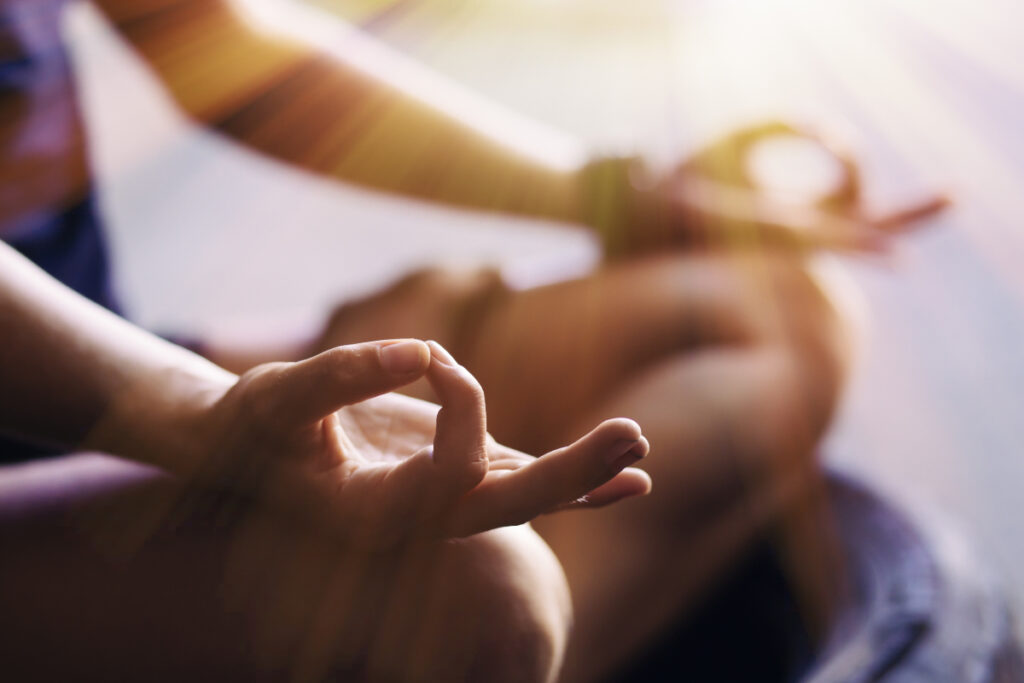
Mindfulness teaches you to stay present rather than getting lost in “what if” scenarios.
A short breathing or grounding exercise before the exam can help you feel more focused and less overwhelmed by anxiety.
Think like a detective about your fears

Instead of believing every anxious thought, take a step back and question it. Is the worst-case scenario really that likely?
Challenge your fear with logic and facts — and regain control of the narrative in your mind.
Zoom out and see the bigger picture

Right now, the exam might feel like the most important moment of your life. But it isn’t. You are not defined by just one exam result.
Remember, there are many ways forward, and your value as a person goes far beyond academic results.
Get out of your head and into your body

If your thoughts are spiraling, grounding yourself in your body can bring relief.
Do a short body scan, stretch, or move in ways that shift your focus from your brain to your senses. It helps make space from anxious thinking.
Write your fears down to let them go

Research shows that writing about your fears can reduce their intensity. Grab a notebook or open a blank doc and pour it all out.
Once your thoughts are on the page, they often feel less overwhelming and easier to manage.
This article is based on information from Mindhelper.dk.
This article is made and published by Ida-Marie Palm Varbæk, who may have used AI in the preparation.