
A new drug candidate developed at UCLA has shown remarkable effects in Alzheimer’s mouse models. Not only did it reduce toxic proteins in the brain, but it also improved memory. Here are the key findings from the breakthrough study.
A Small Molecule With Big Potential

The experimental drug, DDL-357, is a small molecule that activates the brain’s natural defenses by increasing a beneficial protein.
Targeting Protein Imbalance in the Brain

Alzheimer’s disease is linked to a buildup of toxic proteins that disrupt cell communication. This treatment helps restore balance.
Clusterin: The Brain’s Natural Shield

DDL-357 boosts the production of secreted clusterin, a protein known to protect brain cells from damage and degeneration.
More Clusterin, Less Damage

Researchers observed a drop in levels of phospho-tau — a toxic protein tied to disease progression — after treatment with DDL-357.
Boosting Mitochondrial Function
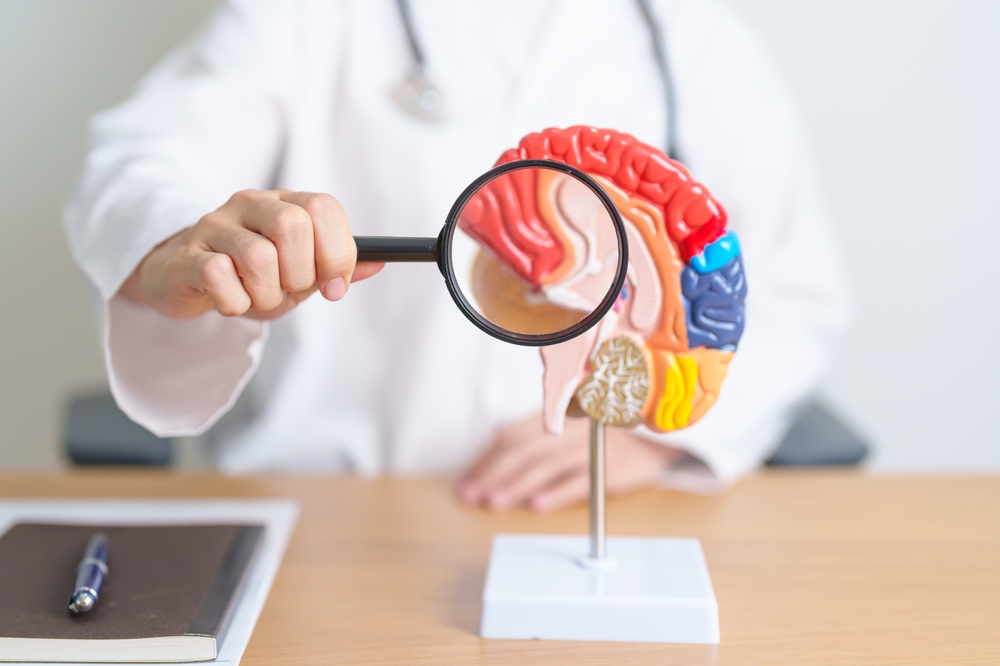
The drug also improved the energy-producing structures in brain cells, suggesting better overall cellular health.
Measurable Memory Improvement

Mice treated with DDL-357 performed significantly better in memory and maze tests, showing real cognitive benefits.
A Shift in Alzheimer’s Treatment Strategy
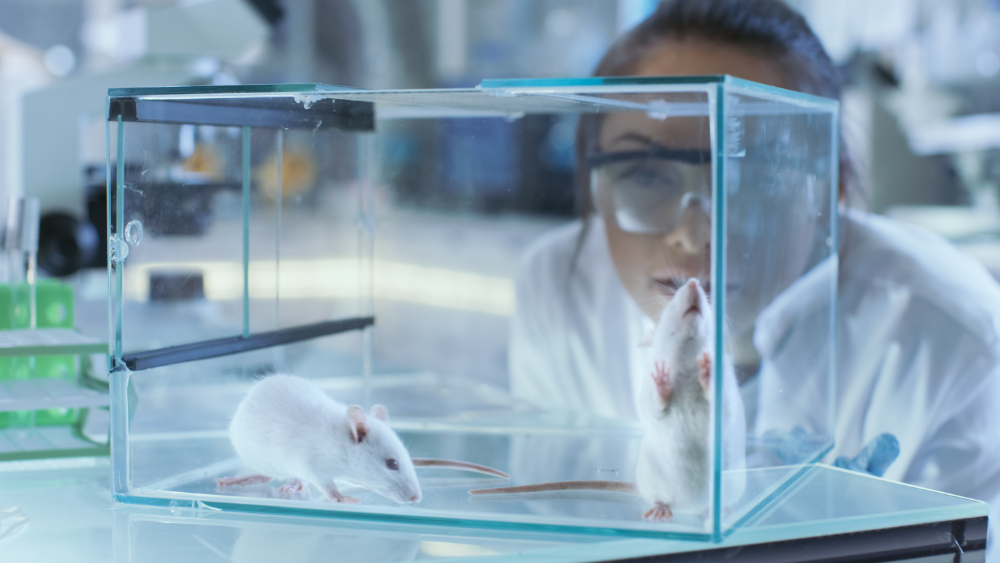
Unlike traditional approaches that only slow the disease, this drug shows potential for actually restoring lost brain function.
Potential Beyond Alzheimer’s
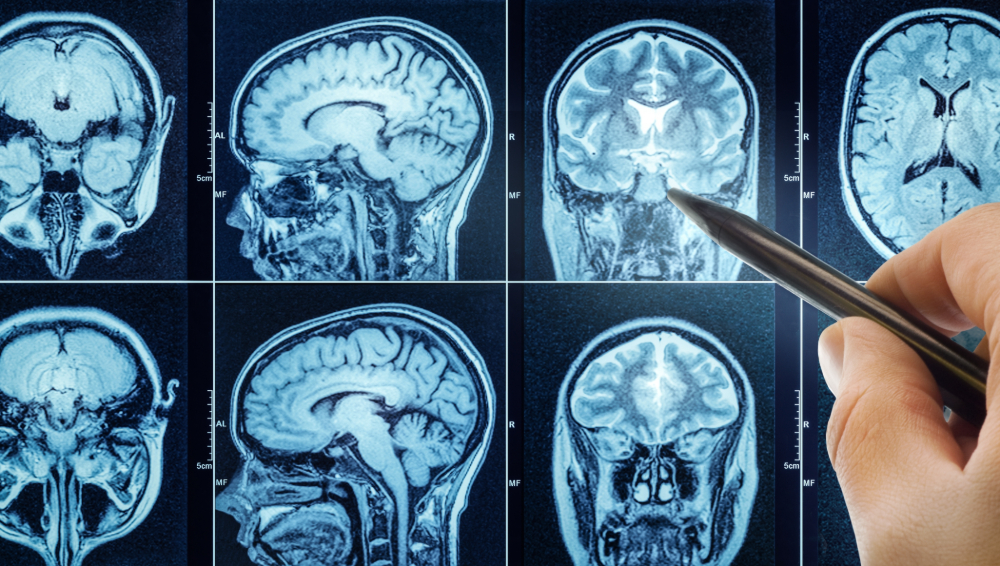
Researchers believe the drug could also be effective in treating other brain disorders like Parkinson’s and ALS.
One of Several Promising Compounds

DDL-357 is part of a wider pipeline of candidate drugs developed at UCLA, including compounds that target brain circuits and other protective proteins.
Human Trials Still Years Away

Though results are exciting, the drug remains in early testing. Extensive research is needed before it can be tested in people.
Article Based on Information from News Medical
This article is made and published by Mie Hermansen, who may have used AI in the preparation.