
Feeling a little tired during the day might seem harmless. But ongoing sleep deprivation can lead to serious physical, mental, and emotional consequences.
Here are some crucial signs that your body and brain are running on empty.
You’re constantly tired
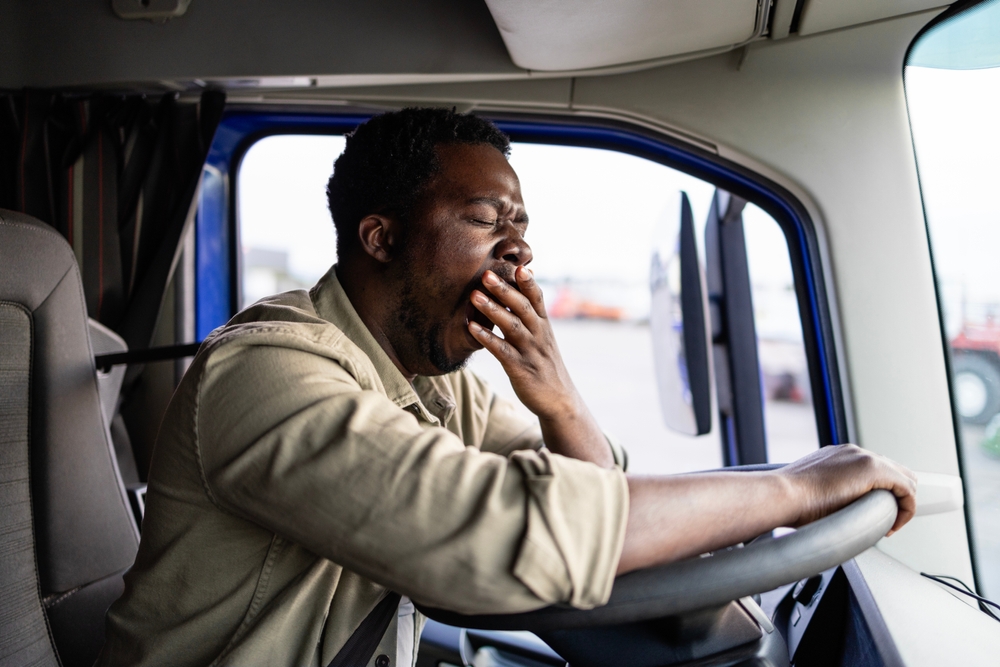
One of the clearest signs of sleep deprivation is that you still feel tired, no matter how long you’ve slept.
This might not just be about quantity – it could mean your sleep quality is poor due to frequent awakenings or not reaching deep sleep stages.
You can’t focus on anything

Struggling to concentrate or getting easily distracted during meetings or conversations?
Your brain may not be getting the restorative rest it needs to stay sharp and alert.
Your mood swings are getting worse

Sleep deprivation can make you more irritable, short-tempered, or emotionally sensitive. You might find yourself overreacting or feeling down without knowing why.
Your memory is failing you

Forgetting names, appointments, or where you placed your keys? Poor sleep disrupts the brain’s ability to consolidate memories and access them efficiently the next day.
You’re slower to react

Clumsier than usual or reacting slowly while driving? Lack of sleep delays both your physical reflexes and cognitive response time, which can be dangerous.
You feel unmotivated and unproductive

Simple tasks can suddenly seem like huge challenges. Sleep-deprived individuals tend to overestimate the difficulty of tasks and procrastinate more than usual.
Your sexual drive has disappeared

A dip in energy and hormonal imbalances caused by sleep loss can drastically lower libido and sexual interest, especially over time.
You’re getting physical symptoms

The effects of sleep deprivation don’t stop at fatigue. Headaches, dizziness, and overall physical exhaustion are clear red flags from your body.
You’re gaining weight without changing your diet
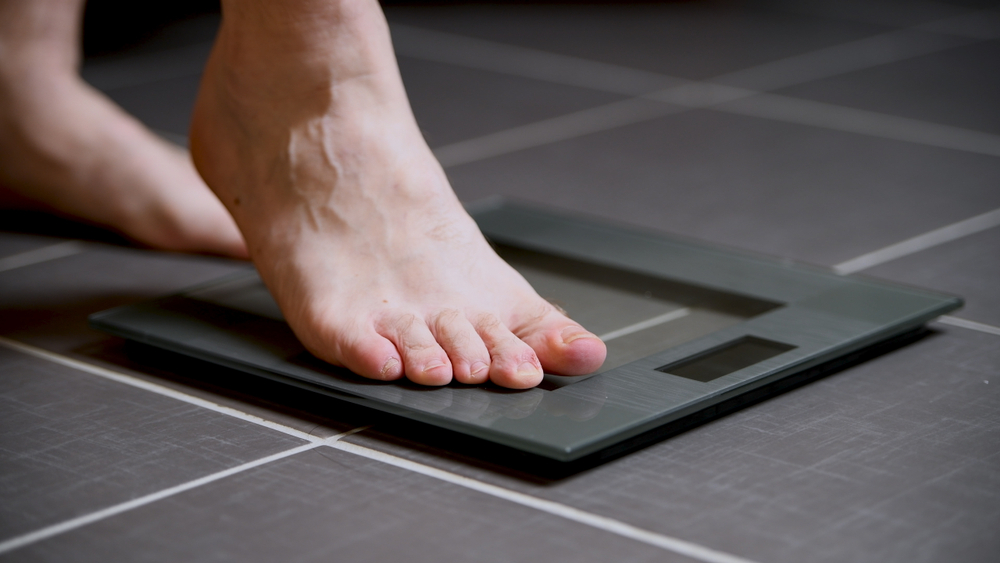
Sleep affects the hormones that control hunger. Too little sleep can make you crave high-sugar, high-fat foods and lead to unintentional weight gain.
You’re hallucinating or feeling paranoid

Going 48–72 hours without sleep can lead to severe symptoms like hallucinations, paranoia, and even temporary psychosis.
These signs mean your body and brain are in critical condition.
This article is based on information from Health.com.
This article is made and published by Ida-Marie Palm Varbæk, who may have used AI in the preparation.