
Salmon is often highlighted as a heart-healthy choice, but how does it actually affect blood pressure?
Here is an overview of what experts and research say about both the short-term and long-term effects.
Salmon does not affect blood pressure immediately
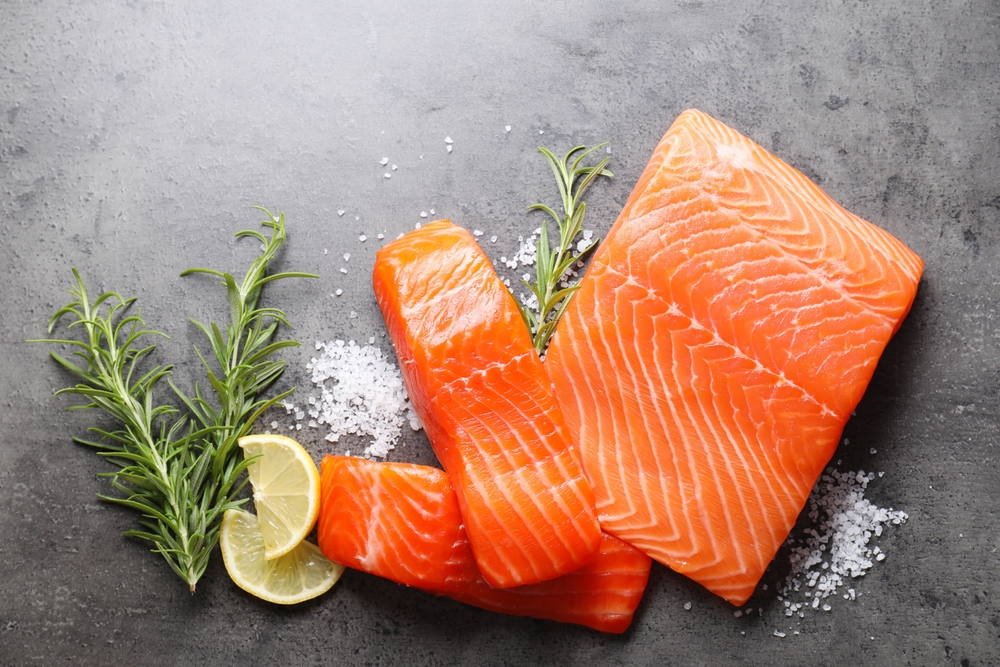
According to cardiologist Dr. Joy Gelbman, there is no immediate effect on blood pressure right after a meal containing salmon.
Any fluctuations are typically due to other factors, she explained to Parade.
Also read: Smoking affects eye cells and may accelerate vision loss
Side dishes and salt can play a role

If blood pressure changes after the meal, it may be related to sodium-rich sauces or other foods and beverages consumed along with the salmon.
Regular consumption may lower blood pressure

When salmon is eaten several times a week, experts suggest that over time it may contribute to lower blood pressure.
Omega-3 fatty acids help blood vessels relax

The long-chain omega-3 fatty acids in salmon help blood vessels dilate, which can lead to a moderate improvement in blood pressure.
Reduced inflammation benefits blood pressure

Omega-3 fatty acids also help reduce inflammation, which is important for both blood vessels and the heart.
Also read: Ten years of data link wildfire smoke to increased urban violence
Study shows a drop in blood pressure

In a study published in Atherosclerosis, adults who ate salmon daily for four weeks experienced an average 4 percent reduction in blood pressure compared with those who did not eat salmon.
Cholesterol levels also improve

The same study showed an average 15 percent reduction in LDL cholesterol and a 7 percent increase in HDL cholesterol among participants who ate salmon.
Omega-3 reduces triglycerides

According to cardiologist Dr. Randy Gould, omega-3 fatty acids can help lower triglyceride levels in the blood.
Less plaque in the arteries

Omega-3 fatty acids are also associated with a slower buildup of plaque in the arteries.
Also read: New analysis suggests consciousness may continue after death
Recommended amount from the American Heart Association

The American Heart Association recommends two servings of fish per week of about 100 grams each if the fish is rich in omega-3 fatty acids, such as salmon.
Avoid deep-frying the salmon

To preserve the health benefits, deep-frying the fish is discouraged, as it reduces its nutritional value.
Salmon can replace meat high in saturated fat

Salmon can be used as an alternative to meat and processed products high in saturated fat, which may reduce the risk of heart disease.
Part of the Mediterranean and DASH diets

Salmon is a key component of both the Mediterranean diet and the DASH dietary pattern, both of which are associated with improved cardiovascular health.
Also read: How daily olive oil intake affects the body
Not recommended every day
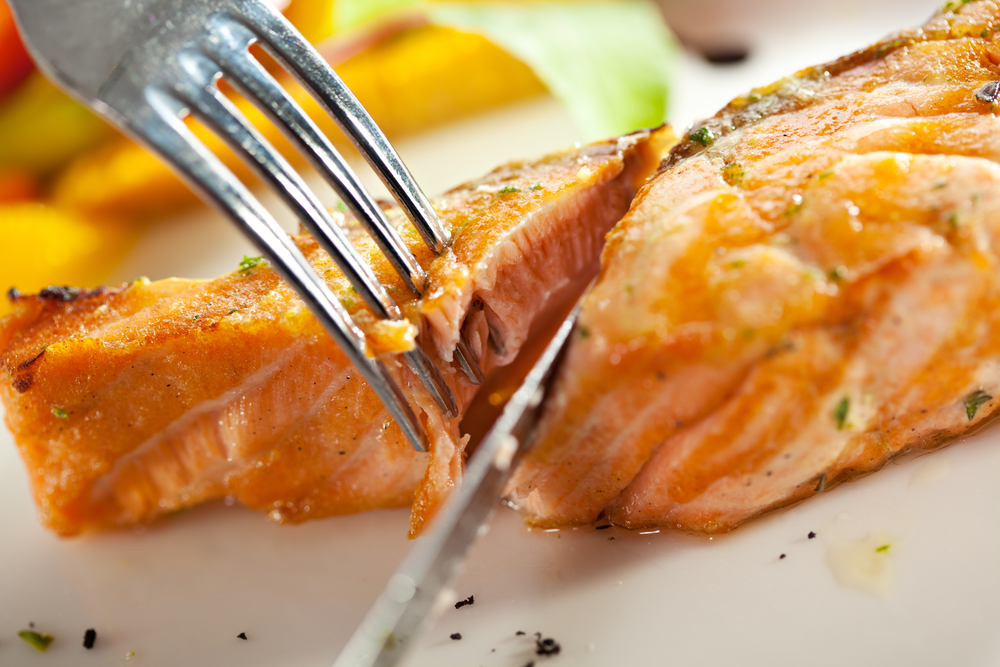
Although salmon is nutrient-dense, it is not recommended to eat it daily, as this may increase the risk of mercury exposure and nutrient imbalances.
Sources: Parade, Atherosclerosis, and American Heart Association.
Also read: High red meat intake associated with 49 percent increase in diabetes risk
This article is made and published by Ida-Marie Palm Varbæk, who may have used AI in the preparation.