
High cholesterol often comes with no symptoms—but it can lead to serious conditions like heart disease, stroke, and diabetes. Here’s what you need to know, clearly broken down by age and type.
Cholesterol Is Measured in Milligrams Per Deciliter

A cholesterol test—called a lipid panel—analyzes three key fats in your blood: LDL (the “bad”), HDL (the “good”), and triglycerides. Together, they make up your total cholesterol number.
Total Cholesterol Should Stay Under 200

For adults, a healthy total cholesterol level is below 200 mg/dL. When levels rise above this, the risk of clogged arteries and heart complications increases, especially with high LDL or low HDL.
LDL: The Dangerous One to Watch
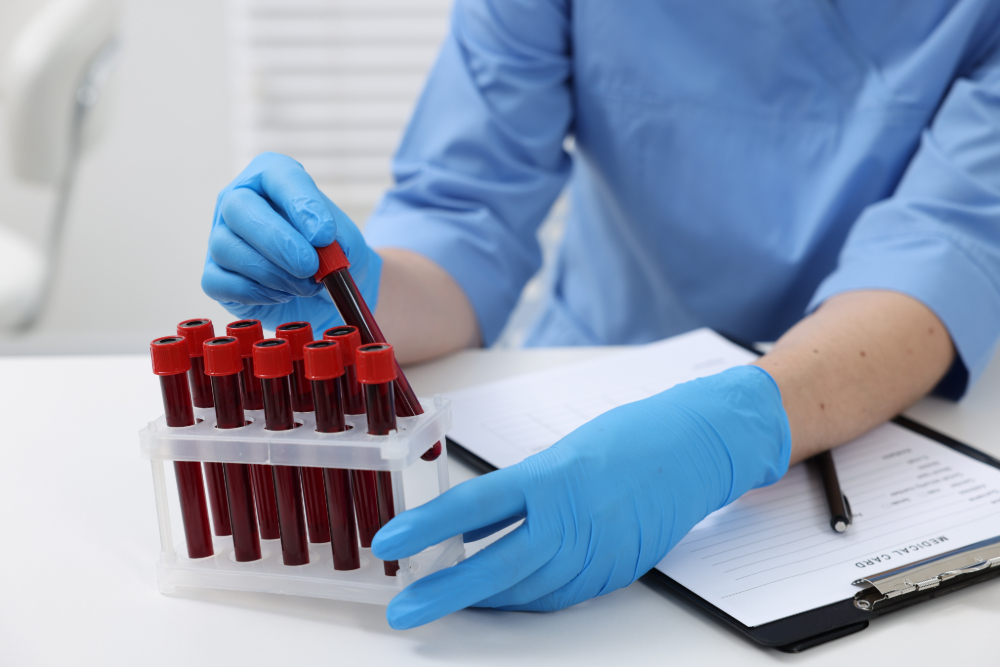
Low-density lipoprotein, or LDL, contributes to plaque buildup in arteries. An ideal level is under 100 mg/dL—but for people with existing heart issues, under 70 is the target.
Also read: Italian Grandma’s Pasta Sauce Takes Only 10 Minutes – But Tastes Like It Simmered All Day
HDL: The Heart’s Natural Defender

High-density lipoprotein helps remove excess cholesterol from your bloodstream. A healthy level is 60 mg/dL or higher. Below 40 for men or 50 for women raises red flags.
Triglycerides: The Often-Ignored Risk Factor
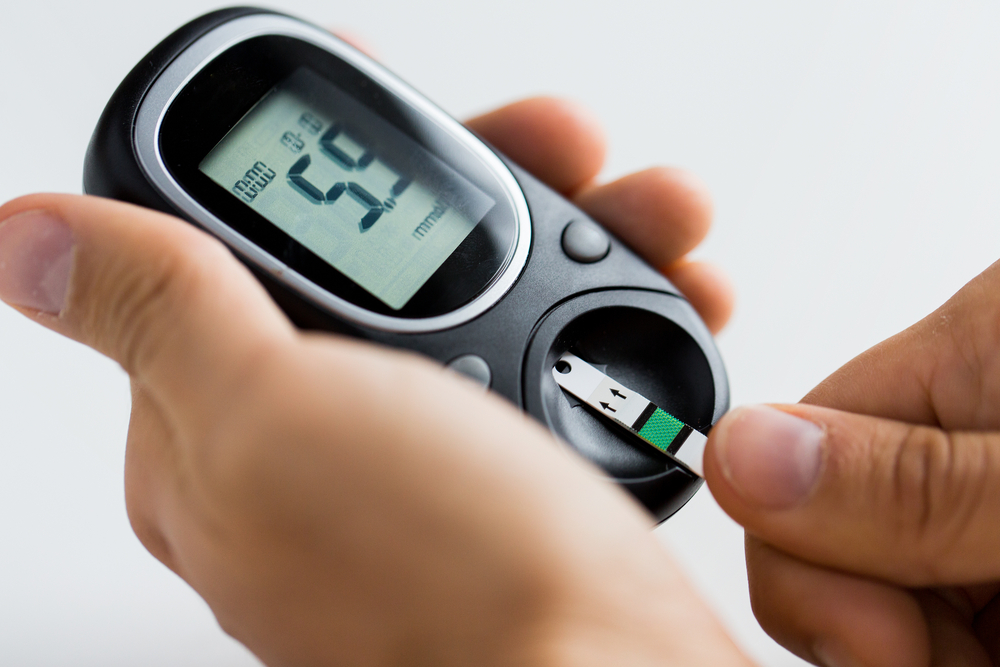
Triglycerides are blood fats that don’t get much attention—but they should. Below 150 mg/dL is healthy, though under 100 is ideal for people with added risk factors like diabetes.
Children Need Healthy Cholesterol Too
Kids aren’t exempt from high cholesterol. Healthy levels include total cholesterol under 170 mg/dL, LDL under 110, and HDL over 45. Obesity and diabetes increase their risk, just like in adults.
Age Changes the Picture

Cholesterol levels tend to rise as you age. Adults should start getting screened from age 20, every 4–6 years. Women may see levels shift after menopause, while men often see changes in midlife.
Also read: Do You Have Light Blue Veins on Your Hands? Here’s What You Need to Know
Lifestyle Changes Can Be Powerful
A diet high in fiber, healthy fats, and whole grains—along with regular exercise—can reduce cholesterol naturally. Quitting smoking and cutting down on processed foods help, too.
Medication May Be Needed

When lifestyle isn’t enough, doctors may prescribe statins or other cholesterol-lowering drugs. Treatment plans vary based on age, health, and other risk factors like blood pressure or family history.
When to See a Doctor

Because high cholesterol rarely causes symptoms, regular testing is essential. If you have a family history of high cholesterol, heart disease, or other risk factors, don’t wait for warning signs—get tested.
This Article Is Based on Information From Healthline
Also read: Expert Reveals: This Common Supplement May Be the Key to Aging Better
Also read: She Suffered 6 Years of Arm Pain — What the Doctor Found Inside Will Shock You
This article is made and published by Mie Hermansen, who may have used AI in the preparation.