
Groundbreaking research from University of Genève shows that one detail in the body can actually predict how the disease will develop in the long term.
First symptoms reveal the likely progression
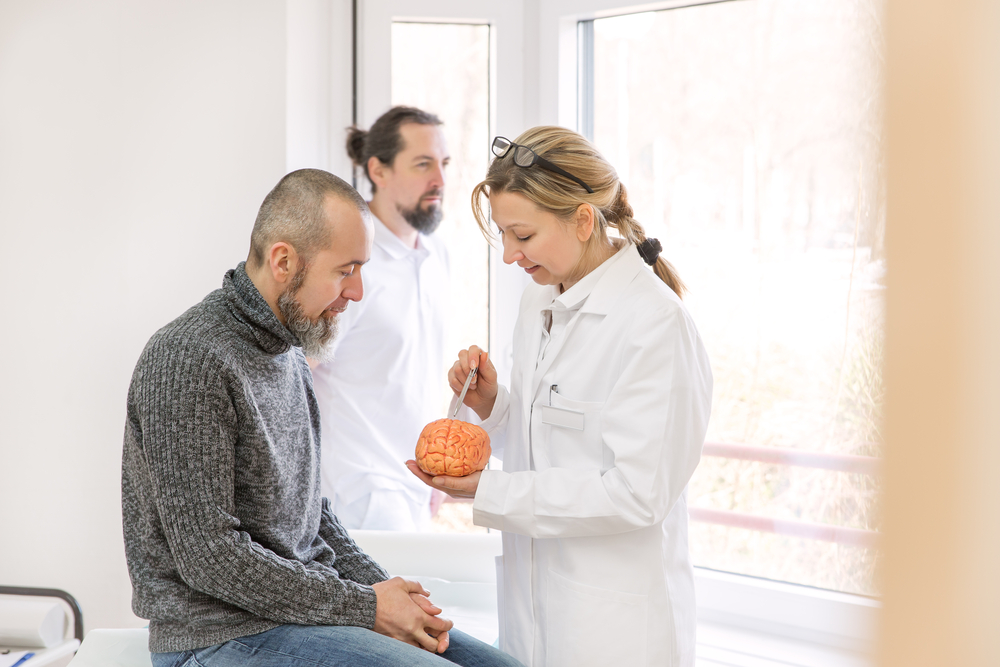
Researchers found that the side of the body where motor problems start is linked to the type of non-motor symptoms the patient may experience later.
This connection has never been shown before

According to the researchers, this is the first time such a clear link between the side of onset and later non-motor symptoms has been demonstrated.
Based on 50 years of research

The new findings are based on an extensive analysis of eighty different studies published over the last five decades.
Also read: These 3 Personality Traits Are Common Among Criminals
Focus on more than just movement issues
The results highlight the importance of not only looking at motor symptoms but also understanding the broader psychological impact of Parkinson’s.
Better diagnosis in the future
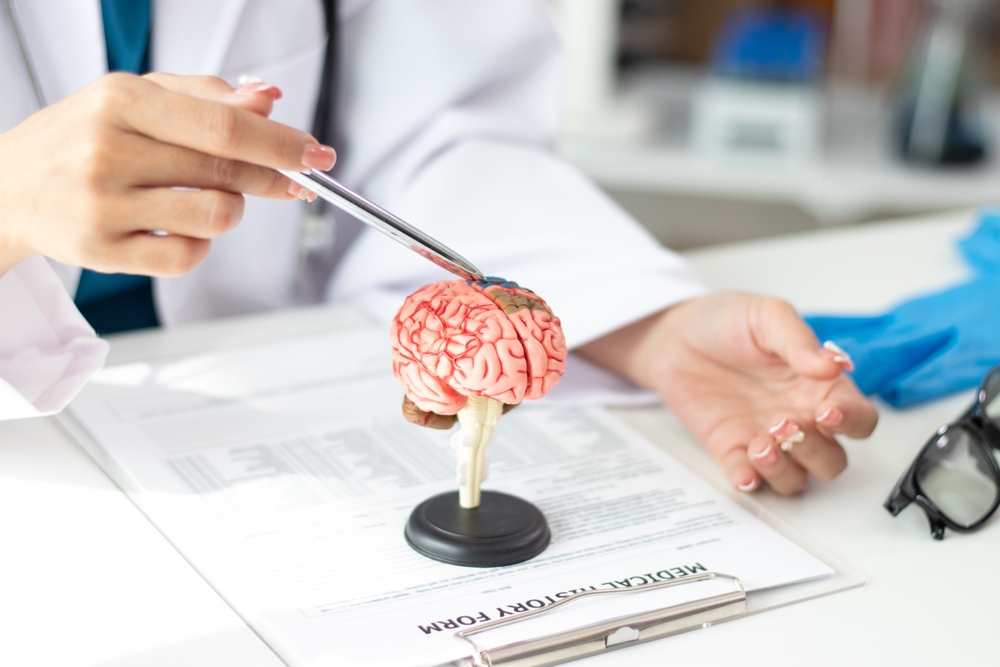
With this insight, doctors can take into account what symptoms the patient may be at risk of developing already at the time of diagnosis.
Tailored treatment becomes possible

Knowing which type of Parkinson’s a patient is likely to have opens up the opportunity for more precise, individualized treatment.
Ten million people could benefit

Around ten million people worldwide live with Parkinson’s, and these new insights could make a real difference for many of them.
Also read: Grilling Mistakes that Could Burn Down Your Backyard - Avoid Them Now!
A step forward in neurodegenerative research

This discovery is an important piece in the larger puzzle of understanding and treating diseases where brain cells slowly die, such as Parkinson’s.
Right side first

If the first symptoms appear on the right side of the body, the patient has a greater chance of developing significant cognitive decline, including dementia.
Left side first
When symptoms begin on the left side, the risk of serious psychiatric issues like depression or anxiety is much higher.
This article is based on information from Nieuwsblad.be.
Also read: Doctors Stunned: Severe Diabetics Are Now Insulin-Free After This Treatment
Also read: How Many Push-Ups a Day for Visible Results? The Real Number Might Surprise You
This article is made and published by Ida-Marie Palm Varbæk, who may have used AI in the preparation.