
A cutting-edge experimental treatment has given new hope to patients with type 1 diabetes—some are now living entirely without insulin.
Revolutionary Stem Cell Therapy Shows Real Promise
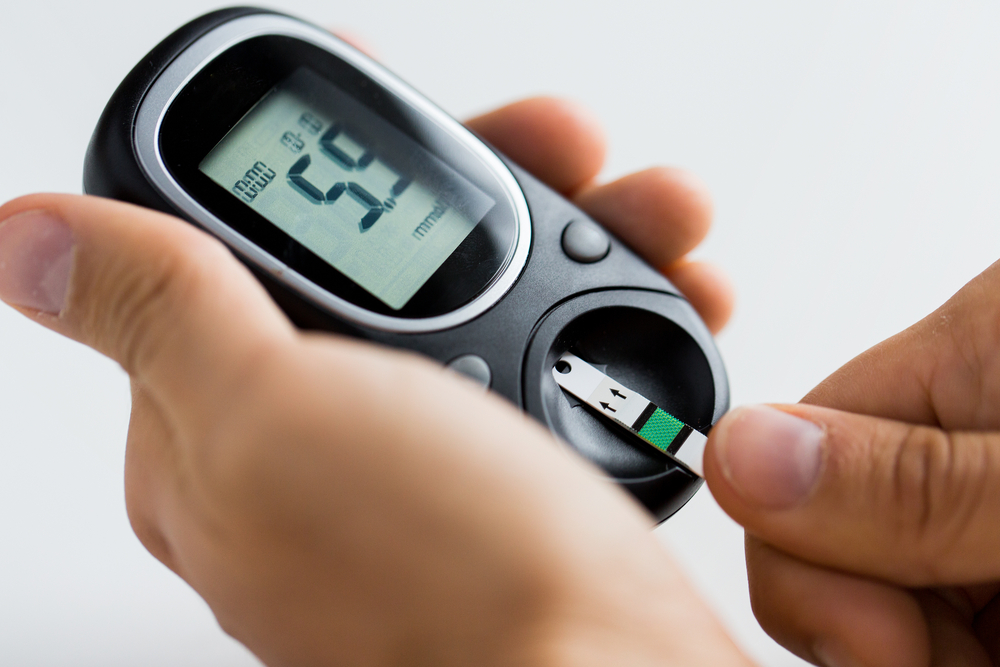
A novel approach involving stem-cell-derived beta cells has demonstrated striking results in early trials, offering a potentially life-changing solution for those with severe type 1 diabetes.
Most Patients Became Insulin-Free After One Year
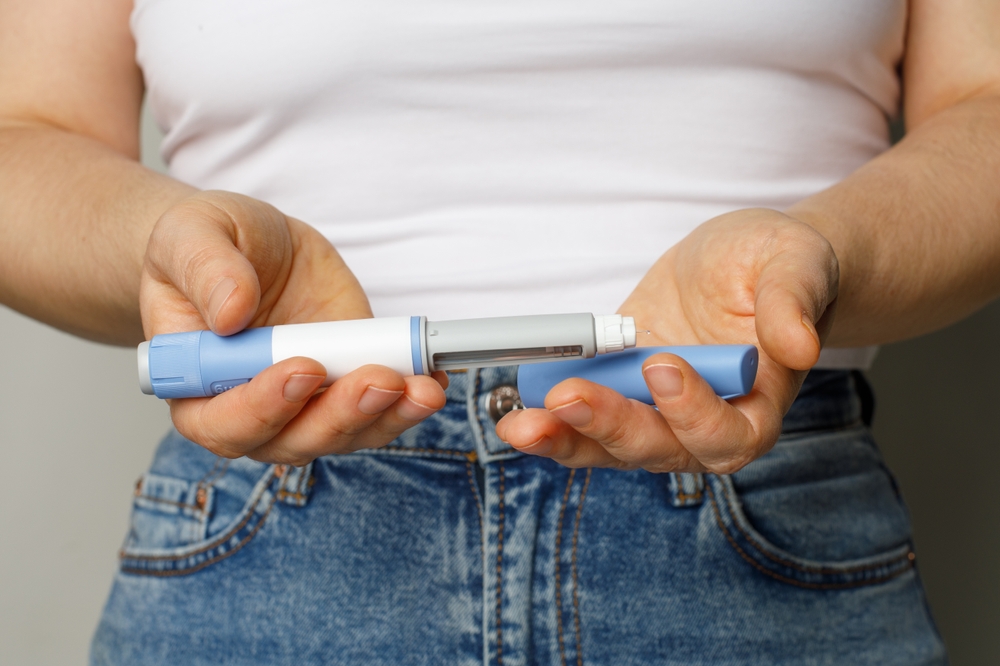
In a small but significant clinical trial, 10 out of 12 participants no longer needed daily insulin injections just 12 months after receiving the new treatment, marking a major milestone in diabetes care.
The Treatment Uses Lab-Grown Beta Cells

Rather than relying on scarce human donors, researchers generated insulin-producing beta cells from stem cells—a scientific feat that could sidestep donor shortages and transform the future of cell-based therapies.
Also read: How Many Push-Ups a Day for Visible Results? The Real Number Might Surprise You
Immunosuppression Is Key to Success

The success of the procedure hinged on patients receiving immunosuppressive therapy before and after transplantation. This helped prevent the body from rejecting the new beta cells, which is often a major obstacle in similar treatments.
The Drug Behind the Breakthrough: Zimislecel

The therapy is known as zimislecel—a first-of-its-kind cellular treatment designed specifically for individuals with type 1 diabetes. It's administered intravenously and has so far shown promising safety and efficacy.
Beta Cells Worked Just Like Natural Ones
Not only did the implanted cells produce insulin, but they also did so in a regulated, safe manner. This suggests the new cells are functioning in sync with the body’s glucose levels, mimicking the performance of natural pancreatic cells.
The Study Is a Phase 1/2 Clinical Trial

Though the findings are exciting, they stem from an early-stage clinical trial with just 12 participants. Still, the overwhelmingly positive outcomes are propelling the research team toward a larger, more definitive Phase 3 trial.
Also read: These Common Pills Could Land You in Jail on Your Holiday
Mild Side Effects Reported

While participants experienced expected side effects like temporary drops in immune cells and some mild kidney issues, no severe complications were linked directly to the beta cell infusion itself.
Two Participants Died, But Not From The Treatment

Two of the original 14 trial subjects passed away during the study period. However, investigators confirmed that the deaths were unrelated to the cell therapy, highlighting the treatment's general safety.
A New Era of Diabetes Management May Be Near

Experts are cautiously optimistic that this approach could one day replace insulin injections for a select group of type 1 diabetics. If future trials succeed, it may redefine how the condition is managed worldwide.
Artiklen er baseret på informationer fra Illustreret Videnskab
Also read: Vital Things Every Woman Must Know About Their Bodies - It Can Save Your Life
Also read: Keep Your Brain Young - Even While You’re in the Shower
This article is made and published by Mie Hermansen, who may have used AI in the preparation.