
We’ve all heard the golden rule of 10,000 steps a day, but if you’re over 60, that number may be more myth than medicine. A new study challenges this long-standing belief and provides a more realistic, science-backed guideline for seniors looking to stay active without overdoing it.
10,000 Steps Isn’t a Universal Goal
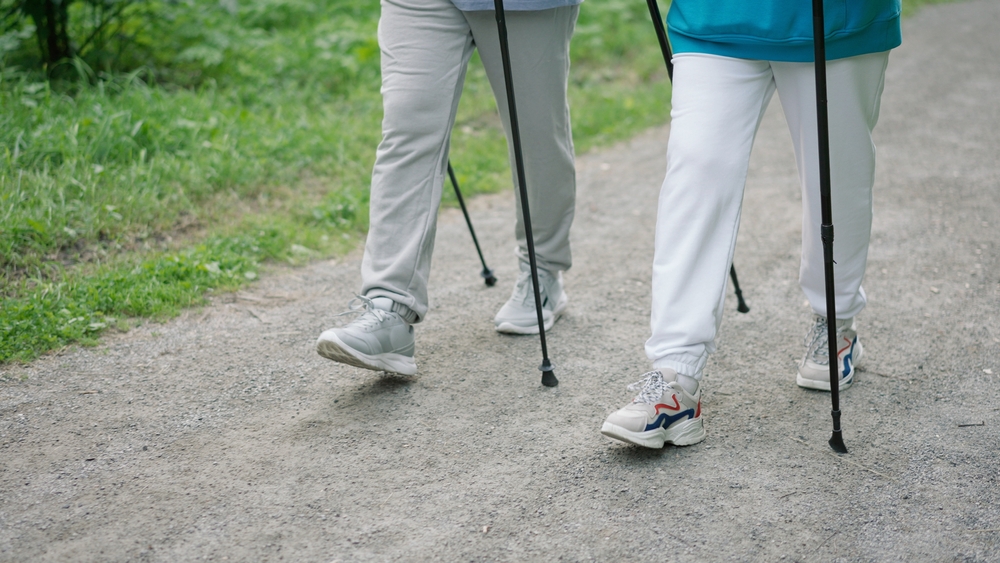
The “10,000 steps a day” benchmark wasn’t based on science. For seniors, that number may be too high and unnecessary for good health.
6,000 to 8,000 Steps Is the Sweet Spot

New data shows that older adults benefit most from taking between 6,000 and 8,000 steps per day. It’s enough to stay active without pushing too hard.
Too Many Steps Can Lead to Overuse

Going beyond the recommended step count can stress joints and increase fatigue – especially for those not used to daily physical activity.
Also read: Doctors Reveal: Magnesium Works Best If You Take It at This Time
Younger Adults Still Benefit From More Steps

For people under 60, the ideal step range is slightly higher: between 7,000 and 10,000 daily steps, depending on activity level and health.
WHO Recommends Fewer Steps for Those With Health Issues

If you have chronic conditions or limited mobility, aiming for about 5,500 steps daily may be more realistic and safe, according to global guidelines.
Track Your Progress With Tech Tools

Using a pedometer, smartwatch, or fitness band can help you stay consistent and motivated, especially if you enjoy setting and reaching daily goals.
Not Just the Steps – It’s How You Walk

A brisk walk outdoors or on varied terrain is more beneficial than a slow shuffle around the house. Focus on pace and purpose.
Also read: She Lost 45 Pounds With Weight-Loss Injections – But Wishes She Knew These 7 Things
Break Up Your Walking Into Short Sessions

You don’t need to hit your step goal all at once. Several shorter walks throughout the day offer the same benefits – and feel more doable.
Listen to What Your Body Is Telling You

Pain, dizziness, or unusual fatigue during or after walking is a sign to ease up. Your step count should support your health, not compromise it.
The Goal Is Movement, Not Perfection

Whether it’s 6,000 or 8,000 steps, what matters most is staying consistent. Find a pace and rhythm that suits your lifestyle and energy level.
The article is based on information from Nyheder24
Also read: 5 Drinks That Could Be Damaging Your Kidneys — Only One Contains Alcohol
Also read: These Three Popular Drinks Are Linked to Higher Alzheimer’s Risk
This article is made and published by Mie Hermansen, who may have used AI in the preparation.