
Many people take vitamin supplements like A and E to boost their health, but new insights suggest these popular pills might not be as harmless as they seem.
Here’s what you need to know before popping your next vitamin capsule.
Fat-soluble vitamins build up in the body

Unlike water-soluble vitamins that are flushed out through urine, fat-soluble vitamins such as A and E accumulate in the liver and fat tissues.
This means taking them regularly can lead to dangerously high levels over time.
Experts warn against routine supplement use

Top nutrition researchers emphasize that most healthy individuals don’t need vitamin supplements.
Harvard’s Professor Walter Willett advises against taking them unless there’s a specific medical reason.
Too much vitamin A can be toxic
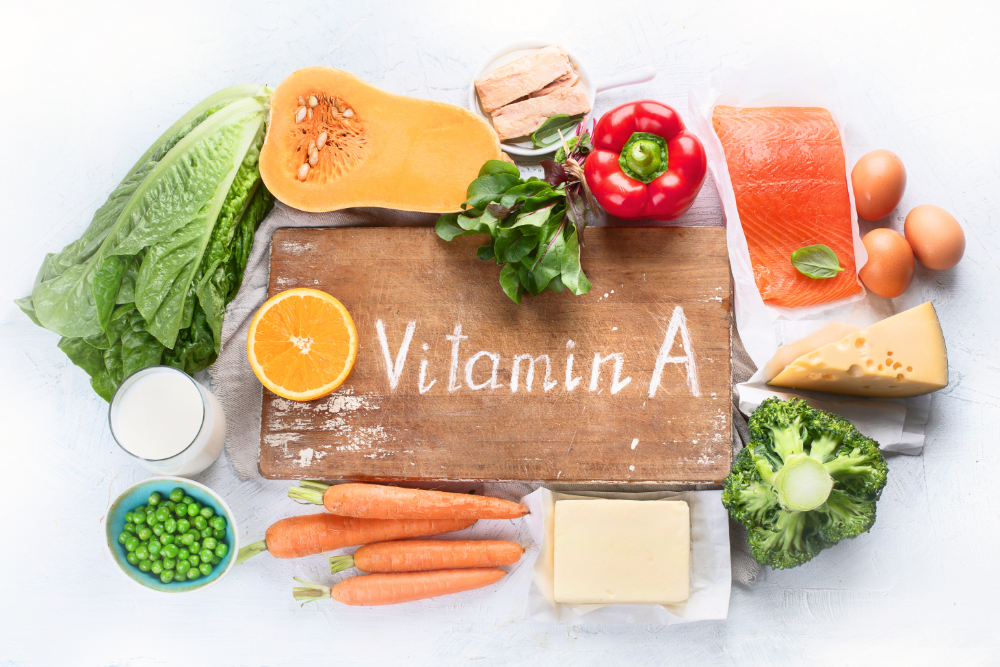
While vitamin A is important for immune function and vision, overdosing can lead to serious symptoms like headaches, nausea, hair loss, and in extreme cases, coma.
Surprisingly, even a single serving of liver can exceed the daily safe limit.
Pregnant women must be extra cautious

Excess vitamin A during pregnancy has been linked to severe birth defects affecting the heart, central nervous system, and eyes.
That’s why expecting mothers should avoid A supplements unless prescribed by a healthcare provider.
Skincare products can add to vitamin A overload

You may not be swallowing pills, but using retinol-based creams also increases your vitamin A intake.
Over time, this can contribute to toxicity, especially when combined with supplements or a vitamin A-rich diet.
Vitamin E might increase cancer risk

Studies have found that supplementing with vitamin E can actually raise the risk of certain cancers, including prostate and lung cancer.
Experts suggest getting it from whole foods like nuts and seeds instead.
High doses of vitamin E interfere with blood clotting
Too much vitamin E can disrupt the body’s ability to clot blood properly, making it risky for people on blood-thinners or those with bleeding disorders.
Most supplements only contain synthetic vitamin E
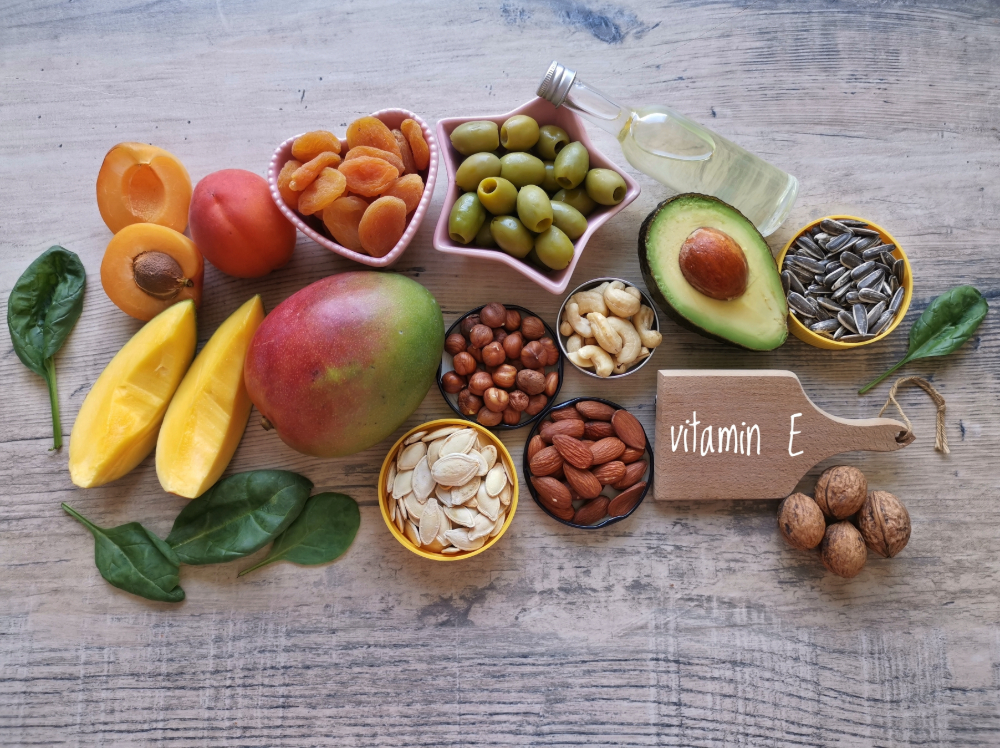
Although vitamin E exists in eight natural forms, most over-the-counter supplements use just one: synthetic alpha-tocopherol.
This version has been linked to more health risks than the natural forms found in food.
Mixing vitamin E with other antioxidants can backfire
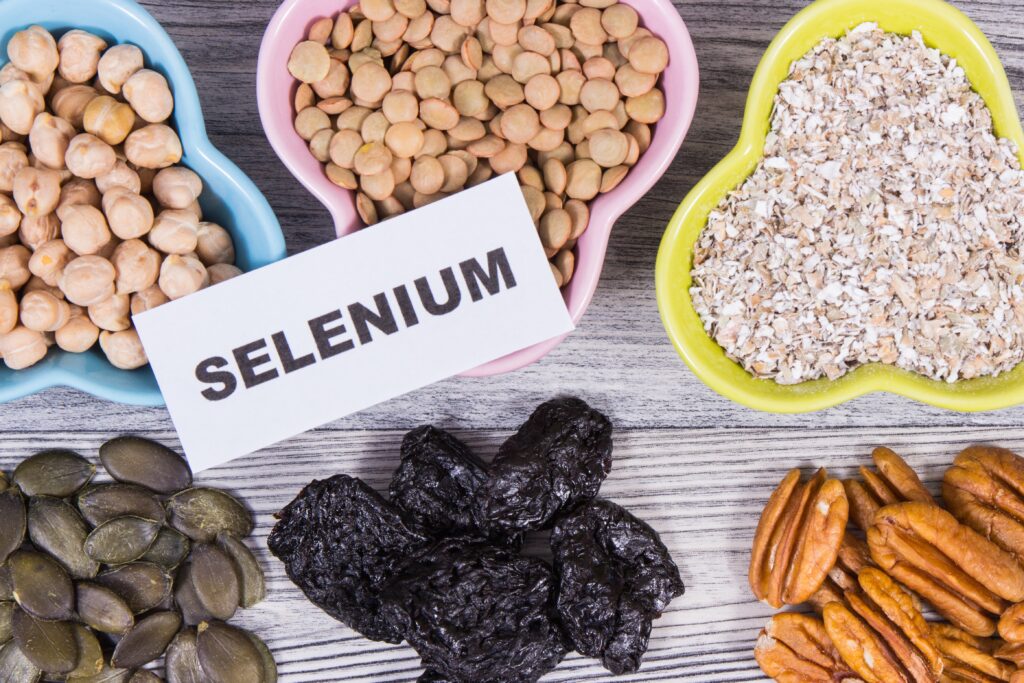
Combining vitamin E with other antioxidant supplements such as selenium and vitamin C may lower levels of HDL, the “good” cholesterol.
This could reduce heart protection rather than enhance it.
Supplements aren’t well-regulated

Unlike prescription drugs, dietary supplements don’t undergo strict regulatory oversight.
Many products contain incorrect dosages – or ingredients not even listed on the label. One study revealed that 84 % of tested supplements were inaccurately labeled.
This article is based on information from National Geographic.
This article is made and published by Ida-Marie Palm Varbæk, who may have used AI in the preparation.