
Weight-loss drugs like Ozempic and Wegovy have helped thousands shed pounds quickly. But what happens when you stop taking them? A major new study reveals surprising insights into how the body reacts once the treatment ends – and it’s not as straightforward as many assume.
Changes Start Within Weeks
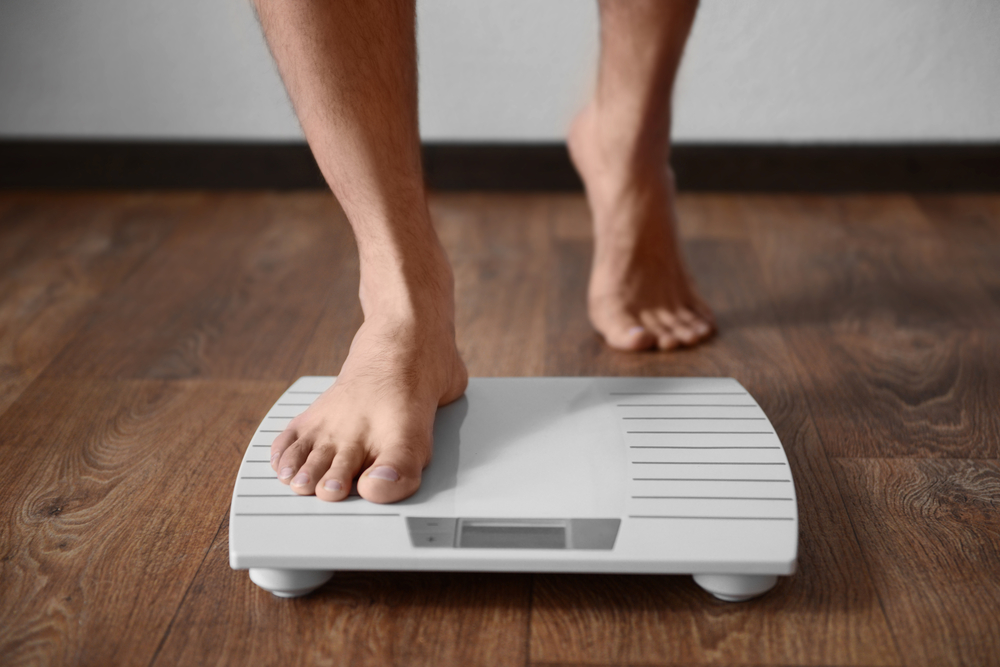
Research shows that your body begins to respond just weeks after stopping the medication – even if your habits stay the same.
Weight Regain Can Begin as Early as Week 8

Some participants started gaining weight back just eight weeks after discontinuing treatment, regardless of their initial success.
The Body May Keep Regaining for Months
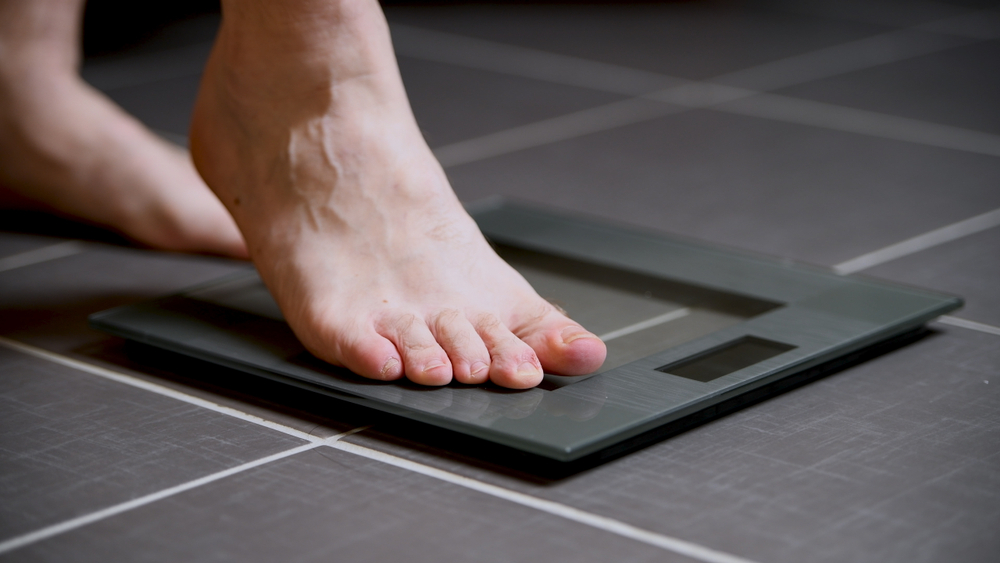
In many cases, the weight gain continued for up to 20 weeks before stabilizing, suggesting the body adjusts slowly post-treatment.
Also read: How Many Steps Should You Really Take After 60? It’s Not 10,000
Lifestyle Changes Still Matter – But Aren’t Always Enough
Even those who kept up with healthy eating and exercise saw weight return, showing how powerful the medication's influence is.
The Type of Medication Plays a Big Role
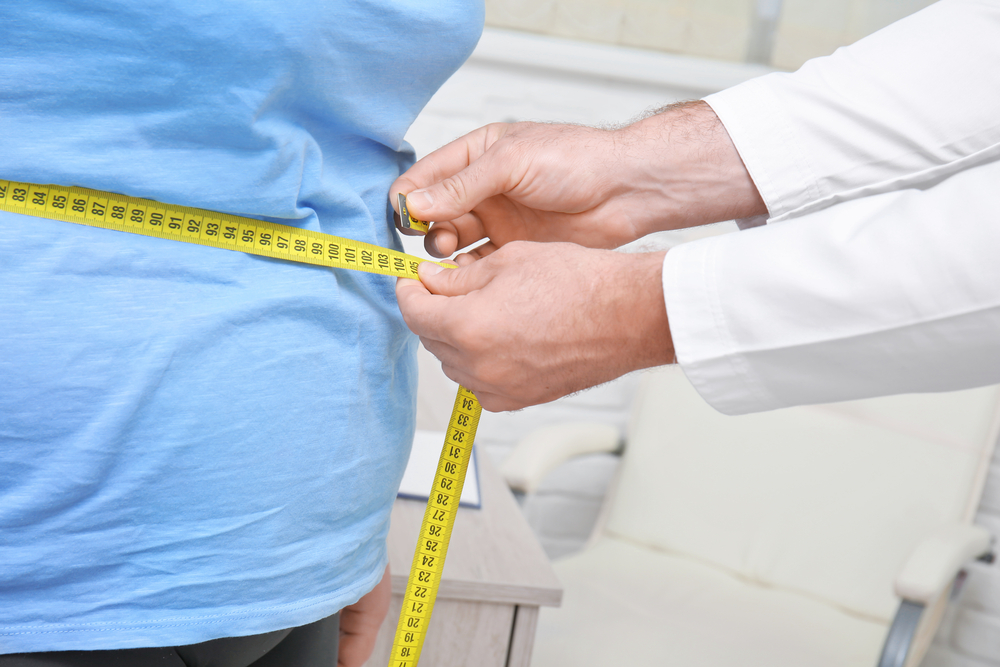
Some medications, like tirzepatide, are linked with quicker and more significant weight regain than others when stopped.
The Body Tends to “Remember” Its Old Weight
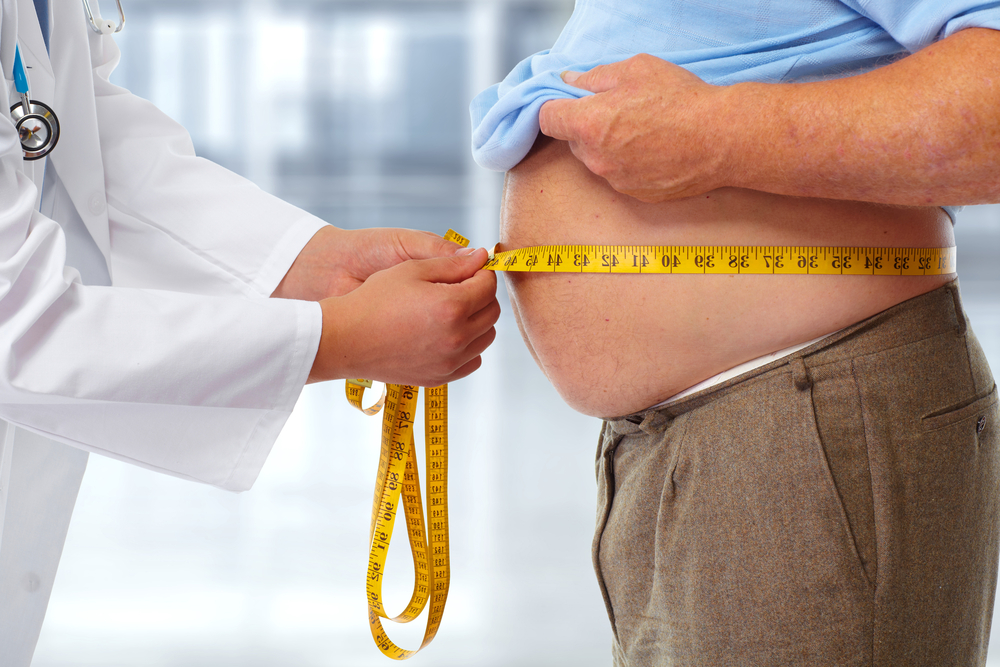
Scientists believe the body has a built-in “set point” it tries to return to, making long-term maintenance challenging without continued treatment.
People With Diabetes May Be More Affected
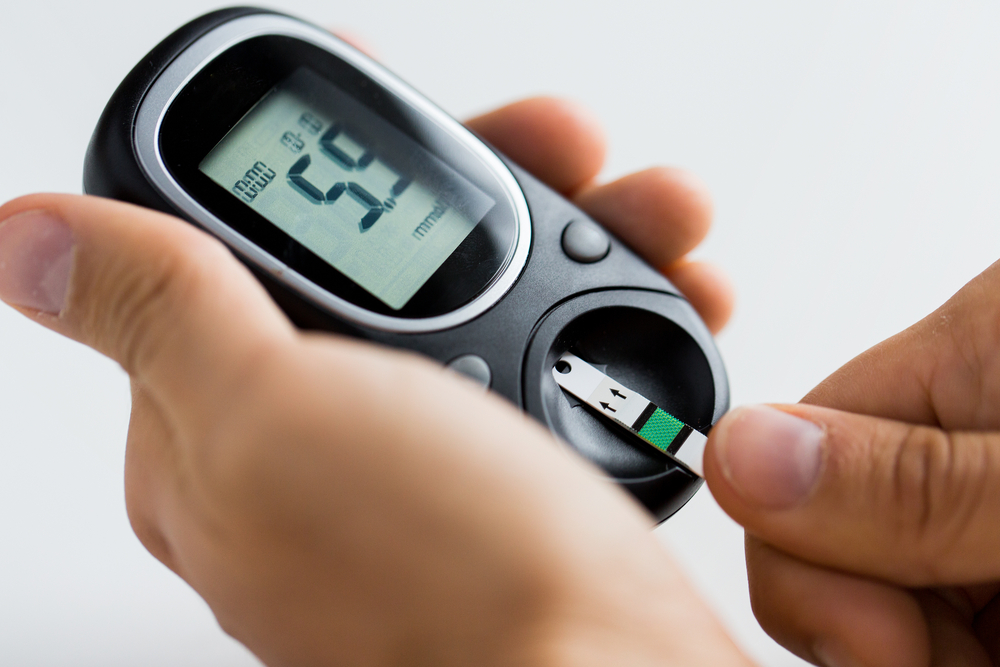
Participants with type 2 diabetes appeared more sensitive to weight changes post-treatment, possibly due to hormonal differences.
Also read: Doctors Reveal: Magnesium Works Best If You Take It at This Time
Many People Quit Without a Maintenance Plan

One key issue is that people stop medication without a backup strategy, leaving their body to adjust on its own.
Long-Term Effects Are Still Unknown

More research is needed to fully understand how the body behaves in the months and years after stopping anti-obesity medications.
Weight-Loss Drugs Help – But They’re Not a Final Solution
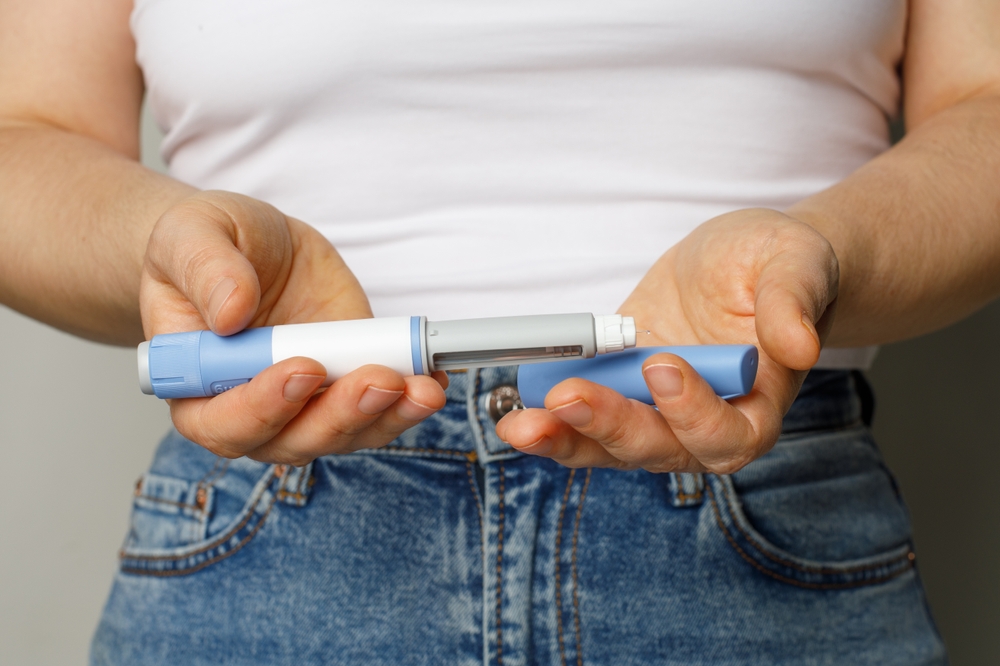
The medication works, but once it’s gone, the body doesn’t just stay in “weight loss mode.” Sustainable habits remain crucial.
Also read: She Lost 45 Pounds With Weight-Loss Injections – But Wishes She Knew These 7 Things
Also read: 5 Drinks That Could Be Damaging Your Kidneys — Only One Contains Alcohol
This article is made and published by Mie Hermansen, who may have used AI in the preparation.