
The liver works quietly in the background — but it’s absolutely vital for your overall health. If its function starts to slow down, your body may react in ways you wouldn’t expect. Here’s what to look out for.
Persistent Fatigue Could Be a Sign

Feeling tired all the time despite getting enough rest? It could be because your liver isn’t detoxifying your system efficiently, causing your body to use extra energy to compensate.
Bloating and Digestive Discomfort

A sluggish liver may struggle to break down fats properly, leading to bloating, indigestion, and a heavy feeling after meals.
Yellowing of the Skin or Eyes
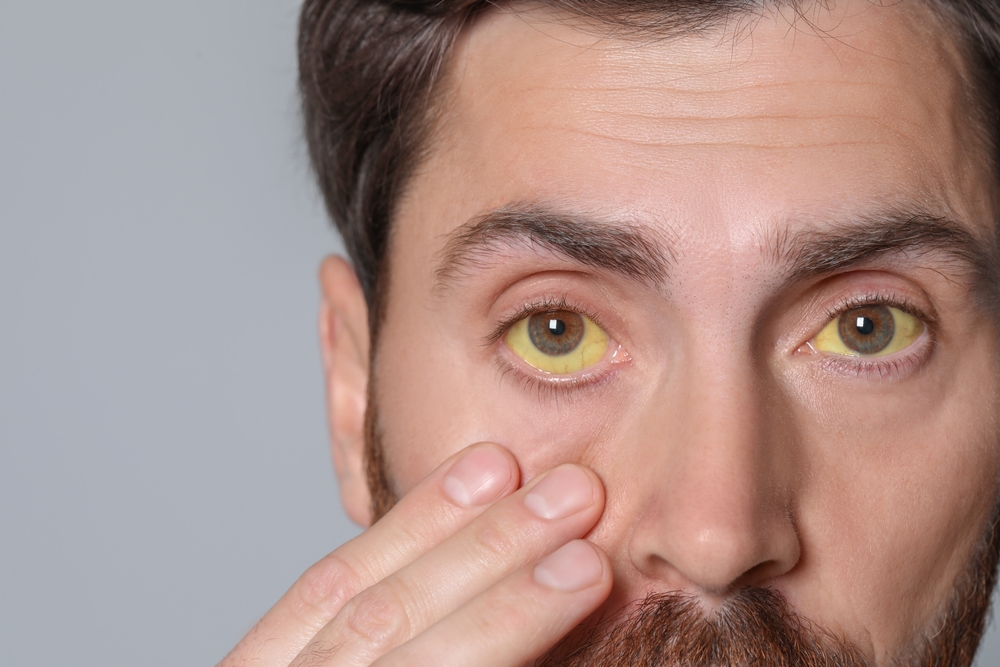
Jaundice is one of the clearest indicators of liver dysfunction. It occurs when the liver can’t process bilirubin, a waste product that normally exits the body through bile.
Also read: These People Are More Likely to Suffer a Stroke Than Others
Loss of Appetite Without Explanation

If your desire to eat disappears for no obvious reason, it could signal that your liver isn’t processing nutrients or supporting digestion as it should.
Brain Fog and Mental Fatigue

Confusion or difficulty concentrating can stem from an overloaded liver failing to filter out toxins that affect brain function.
Dark Urine and Pale Stools

Changes in the color of your urine or stools can reflect problems in how the liver processes and eliminates waste.
Itchy Skin With No Rash
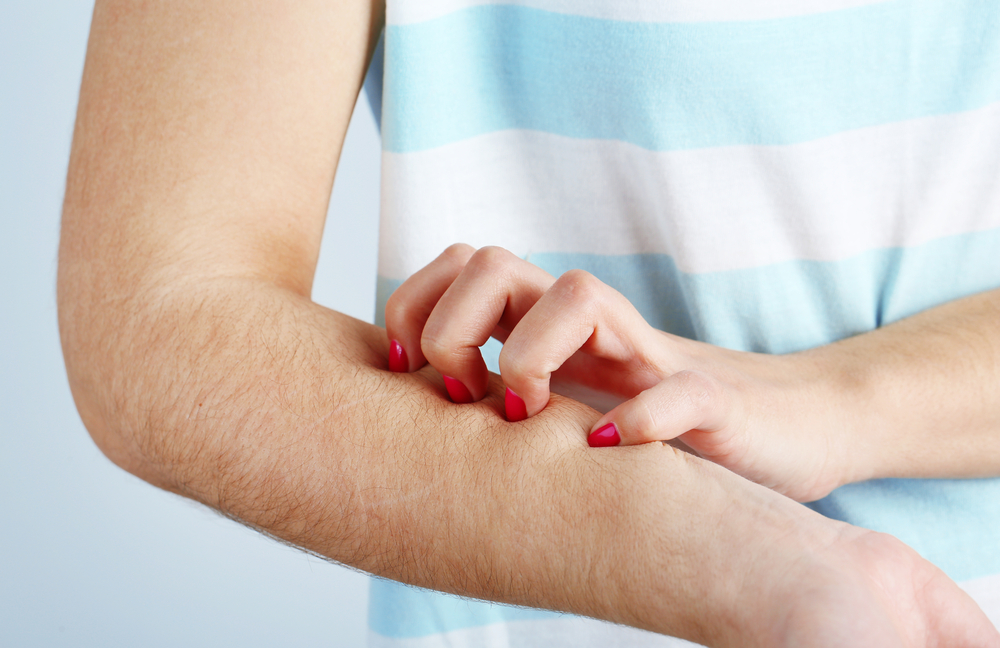
A build-up of bile salts in the bloodstream can cause unexplained itching — a common symptom of liver strain.
Also read: This Is What Happens to Your Body When You Eat Avocado Every Day
Swollen Legs or Ankles
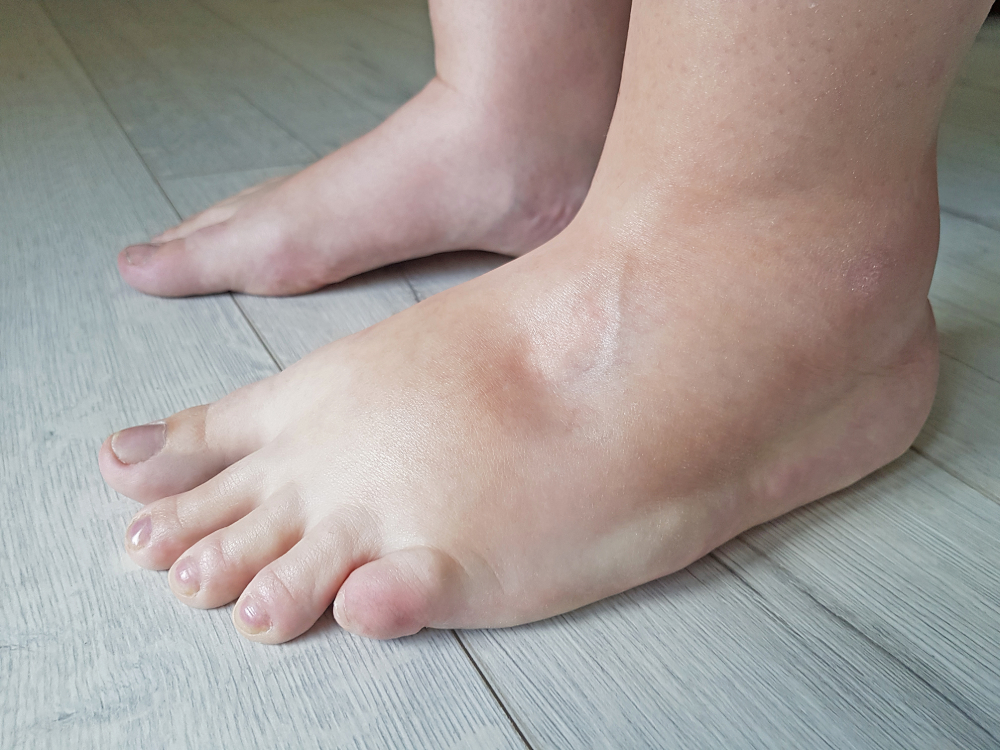
Liver issues can lead to imbalances in fluid regulation, resulting in puffiness in the lower limbs, especially after long periods of standing or sitting.
Easy Bruising
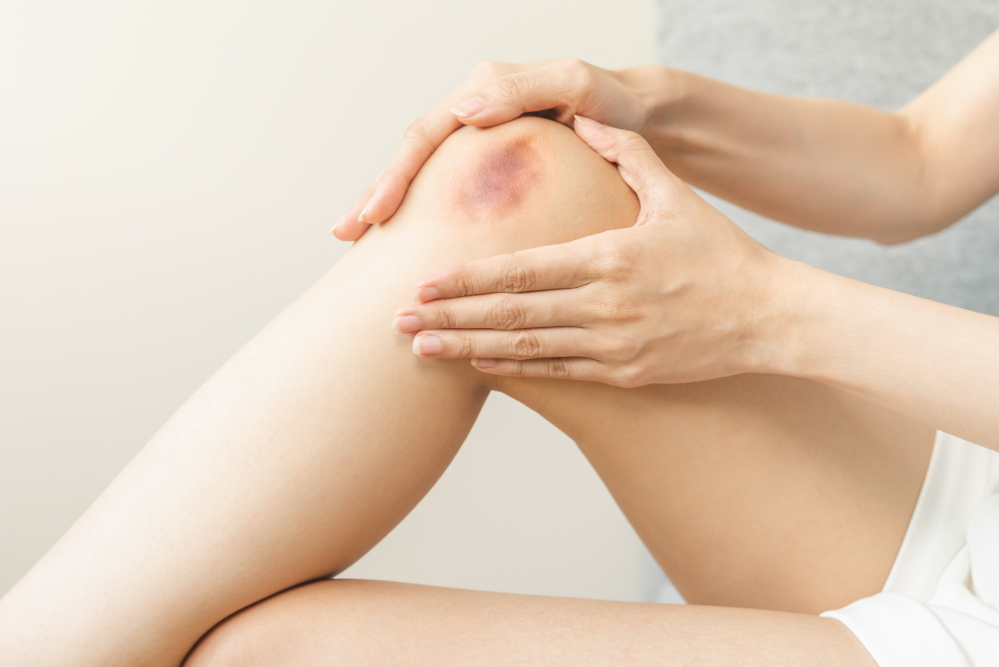
The liver helps regulate blood clotting. If it’s not functioning properly, you may notice that you bruise more easily than usual.
Bad Breath or Metallic Taste
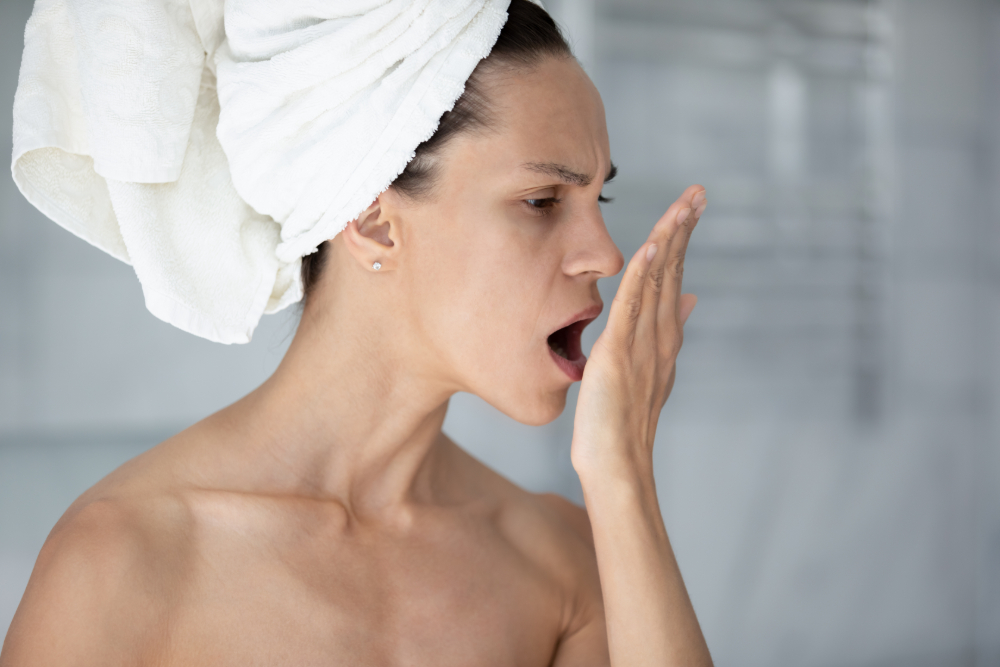
When liver detox slows down, toxins may build up and lead to persistent bad breath or an odd taste in the mouth that doesn’t go away with brushing.
This article is based on information from Nyheder24
Also read: This Is Why Your Legs Are Swelling — And What You Can Do About It
Also read: This Is What Happens in Your Body When You Stop Weight-Loss Medication
This article is made and published by Mie Hermansen, who may have used AI in the preparation.