
Avocados have gone from trendy toast-topping to nutritional superstar — and for good reason. But what actually happens to your body if you eat one every day?
It Boosts Your Digestive Health

Avocados are packed with fiber, which helps fuel beneficial gut bacteria and promotes a smoother, more efficient digestion process.
It Helps You Feel Full for Longer
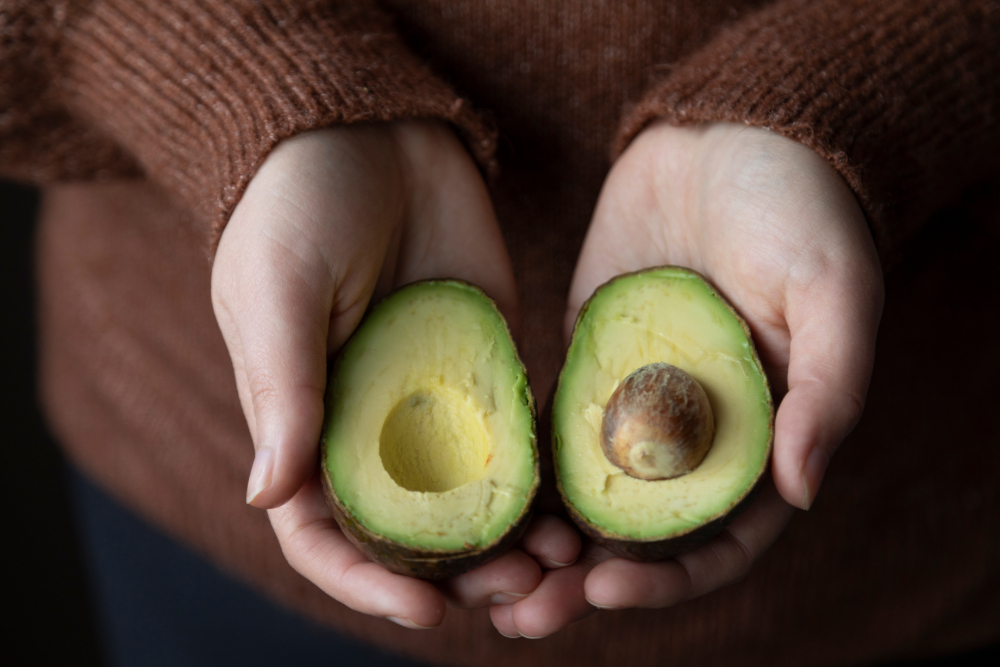
Thanks to its unique blend of fiber and healthy fats, avocado helps reduce cravings and keeps you satisfied between meals.
Your Weight May Stay More Stable
Despite being calorie-rich, avocados are linked to better weight management. Their satiety-boosting nutrients can help you avoid overeating.
Also read: This Is Why Your Legs Are Swelling — And What You Can Do About It
It Supports Heart Health

Avocados are loaded with heart-healthy fats, potassium, magnesium, and antioxidants — all known to reduce blood pressure and support cardiovascular function.
It Can Lower the Risk of Heart Disease

Studies show that people who eat avocados regularly may lower their risk of heart disease by up to 22%, especially when replacing less healthy fats.
Your Brain May Get Sharper

Avocados contain lutein, a powerful antioxidant that crosses the blood-brain barrier and may enhance cognitive performance and mental clarity.
Your Memory Might Improve

Older adults who consume avocados have shown better memory performance and cognitive function in studies compared to those who don’t.
Also read: This Is What Happens in Your Body When You Stop Weight-Loss Medication
Your Body Absorbs More Nutrients
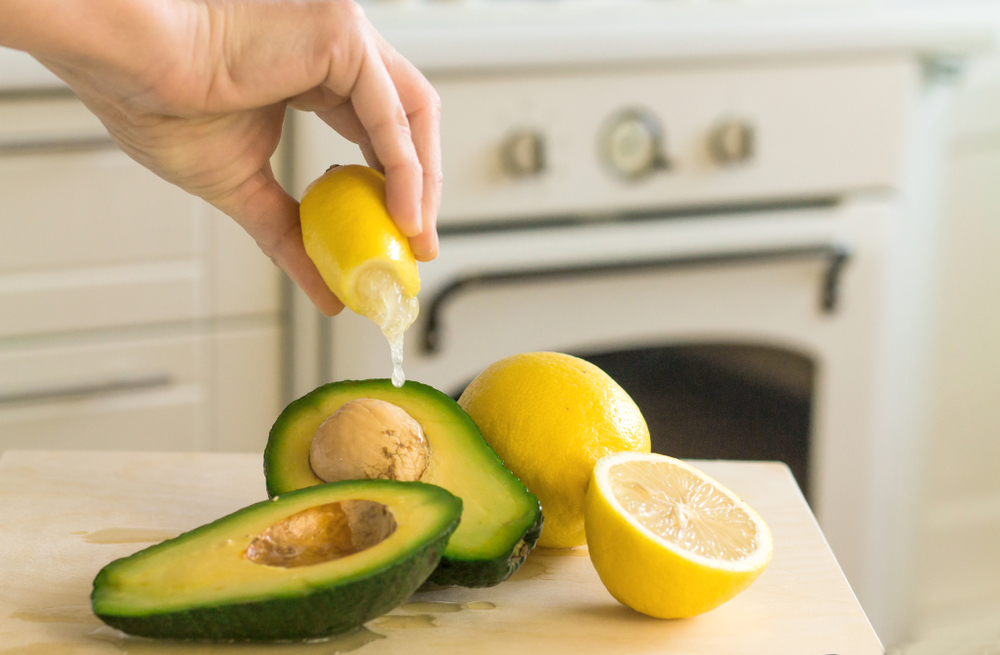
The healthy fats in avocados help your body absorb fat-soluble vitamins like A, D, E, and K more efficiently from other foods.
Your Antioxidant Levels Rise

Avocados are rich in antioxidants and polyphenols, which help combat inflammation and oxidative stress in the body.
The Calories Aren’t as Bad as They Seem
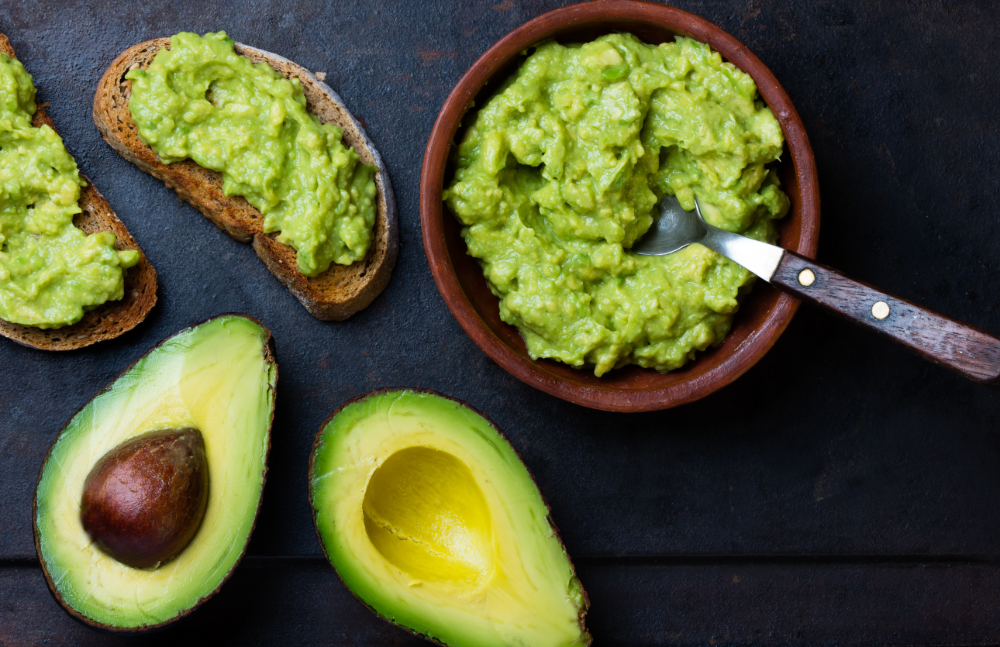
A medium avocado has about 240 calories — but they come from nutrient-dense sources that benefit your health and don’t lead to weight gain when eaten mindfully.
This article is based on information from Dagens.dk and EatingWell
Also read: How Many Steps Should You Really Take After 60? It’s Not 10,000
Also read: Doctors Reveal: Magnesium Works Best If You Take It at This Time
This article is made and published by Mie Hermansen, who may have used AI in the preparation.