
Salt is a common part of most diets, but its effect on blood pressure isn’t the same for everyone. Some people experience a significant rise, while others remain unaffected – and researchers believe the difference lies in our genes.
What happens when you eat salt

Salt is made up of sodium and chloride. When sodium levels rise in the blood, water is pulled into the bloodstream to balance it, increasing blood volume and raising blood pressure.
Why some people are salt-sensitive
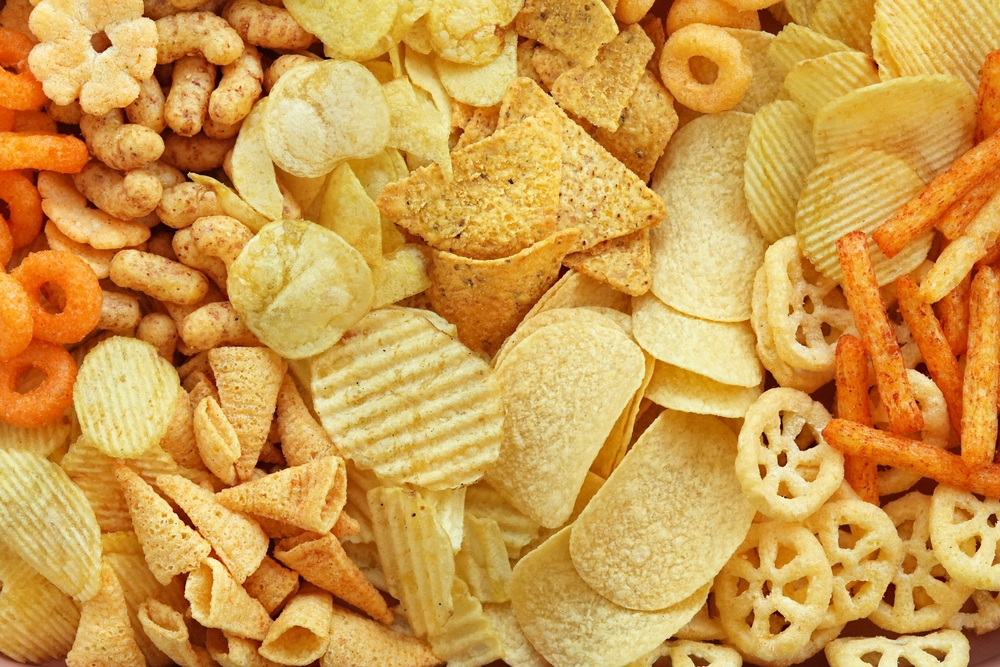
For salt-sensitive individuals, just one salty meal can raise blood pressure by more than 10 percent. This group is at higher risk of hypertension.
Salt-resistant individuals
Others are salt-resistant, meaning their blood pressure remains stable even after consuming large amounts of salt.
Also read: Feeling Sick in Hot Weather? This Could Be the Reason
The body’s balancing act
Our bodies constantly work to regulate sodium by moving it in and out of cells and eliminating it through urine. If these mechanisms function well, salt has little impact.
When the system struggles

If regulation fails, sodium builds up, leading to fluid retention, increased blood volume, and higher blood pressure.
Long-term effects of salt

For those sensitive to salt, regular high intake can lead to chronic hypertension, which increases the risk of heart attack and stroke.
Genes play a key role

Genetic factors largely determine whether a person is salt-sensitive or resistant, though the exact mechanisms are still not fully understood.
Also read: Is It Healthy to Eat a Light Dinner? Here's What Nutritionists Say
Lifestyle factors

Being overweight, inactive, or consuming too much alcohol may worsen salt sensitivity, making dietary changes even more important.
Recommended salt intake

Health authorities suggest limiting sodium to around 5–6 grams of salt per day, though most people consume far more.
Reducing your risk

Cutting back on processed foods, reading nutrition labels, and cooking with herbs instead of salt are practical ways to lower sodium intake.
Artiklen er baseret på informationer fra Illustreret Videnskab
Also read: What your most common nightmares might be trying to tell you
Also read: Be Prepared: What to Stock Up On Before the Next Cold or Flu
This article is made and published by Mie Hermansen, who may have used AI in the preparation.