
Dopamine hacking has exploded on TikTok and in self-help circles.
The method is all about pairing boring or demanding tasks with something you enjoy, making them easier to get through.
Here are some key points that explain how it works and what experts are saying.
Dopamine is more about anticipation than reward

Psychiatrist Anoopinder Singh explains that the biggest dopamine spikes don’t come when we actually receive a reward, but when we look forward to it.
Also read: Italian Chefs Share the Secret to Picking Perfect Pasta Every Time
This anticipation is exactly what dopamine hacks take advantage of to boost motivation.
Your brain can be rewired
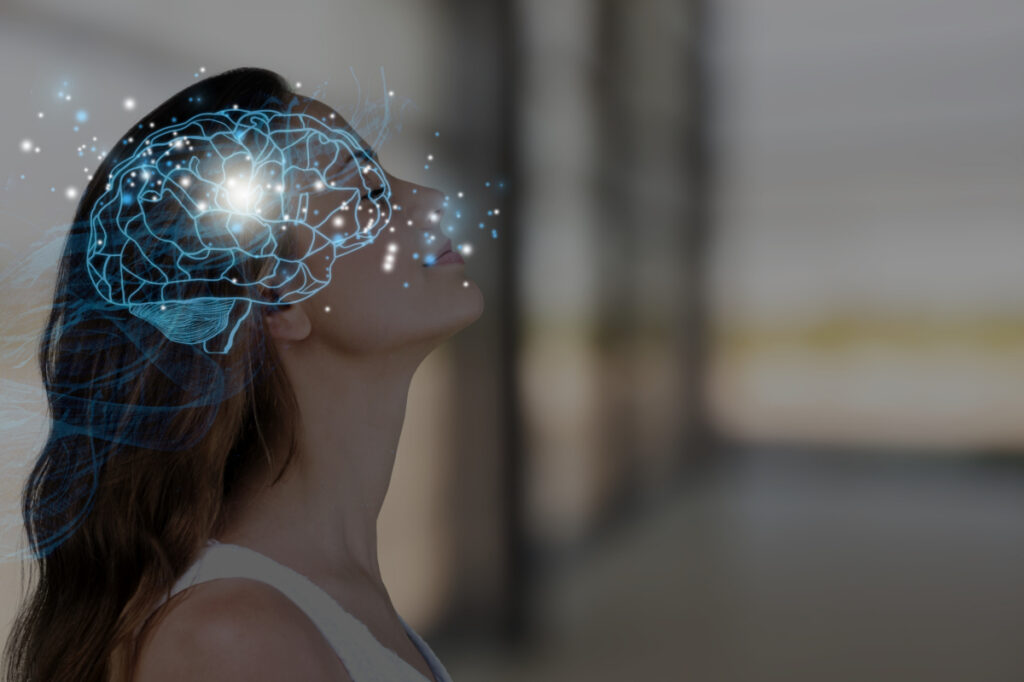
By repeatedly linking a dull activity with a pleasant stimulus, the brain learns to release dopamine simply at the thought of the task.
That makes the chore itself feel less heavy and more appealing.
It’s about building positive associations

Examples include lighting a scented candle when reading or enjoying a small treat while studying.
Also read: The World’s Oldest Doctor Shares His Best Advice for a Long Life
Over time, your brain starts to connect these tasks with positive feelings.
How it differs from habit stacking

Habit stacking links a new behavior to an existing one. Dopamine hacking goes further by adding in a rewarding element.
It’s the sense of satisfaction that encourages your brain to repeat the sequence.
Experts see potential – but also pitfalls

Psychologists and therapists say the technique can help tackle procrastination and support new routines.
Also read: These Plants Might Make You Healthier and Happier
But they also caution that it shouldn’t replace professional treatment for deeper mental health challenges.
Overuse can backfire
If you constantly rely on external rewards, your intrinsic motivation may weaken.
That can turn everyday activities into transactions that always demand a “payment” in pleasure.
Choose your rewards wisely

Unhealthy triggers like doomscrolling or impulse shopping can reinforce bad habits instead of good ones. Experts recommend simple, accessible, and healthy rewards.
Also read: Plant-Based Diet May Cut Risk of 4 Deadly Cancers by 25%
Start with one specific task

Therapists suggest beginning with a clear and concrete activity you often avoid, like answering emails or folding laundry.
That makes it easier to measure whether the dopamine trick is working.
Patience is key to success

You can’t rewire your brain overnight. According to experts, it takes repetition, consistency, and patience before your brain naturally responds to the new cues.
It doesn’t solve everything

For people with ADHD, depression, or anxiety, dopamine hacks may feel like a band-aid on a deeper issue.
Also read: These Everyday Foods Can Improve Your Vision Naturally
Professional support is crucial when the brain’s reward system is already out of balance.
This article is based on information from Verywell Mind.
This article is made and published by Ida-Marie Palm Varbæk, who may have used AI in the preparation.