
Adopting a plant-based diet may hold the key to reducing cancer risk. A large study suggests that skipping meat and dairy could lower the likelihood of developing several deadly cancers by up to 25 percent. Here are the key takeaways from the research.
Lower risk of colorectal cancer
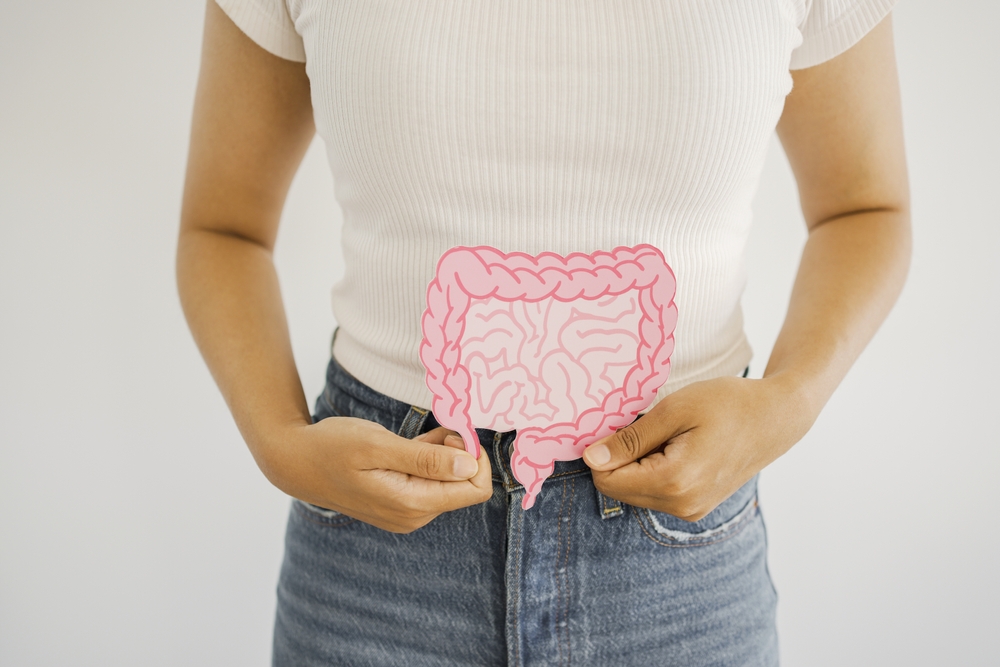
Researchers found that people on a plant-based diet had a 21% lower risk of colorectal cancer, one of the most common cancers worldwide.
Stomach cancer protection
The same study showed a remarkable 45% reduction in stomach cancer risk among participants who avoided meat and dairy.
Reduced risk of lymphatic cancers

Vegetarians also had a 25% lower risk of developing lymphatic cancers, pointing to broader protective effects of plant-based eating.
Also read: These Everyday Foods Can Improve Your Vision Naturally
Benefits for younger men
Young men who adopted a fully plant-based lifestyle were less likely to develop prostate cancer, one of the leading cancers in men.
Lower risk of breast cancer
Women in the study saw protective benefits against breast cancer, which remains one of the most common cancer diagnoses worldwide.
Ovo-lacto vegetarians saw different benefits
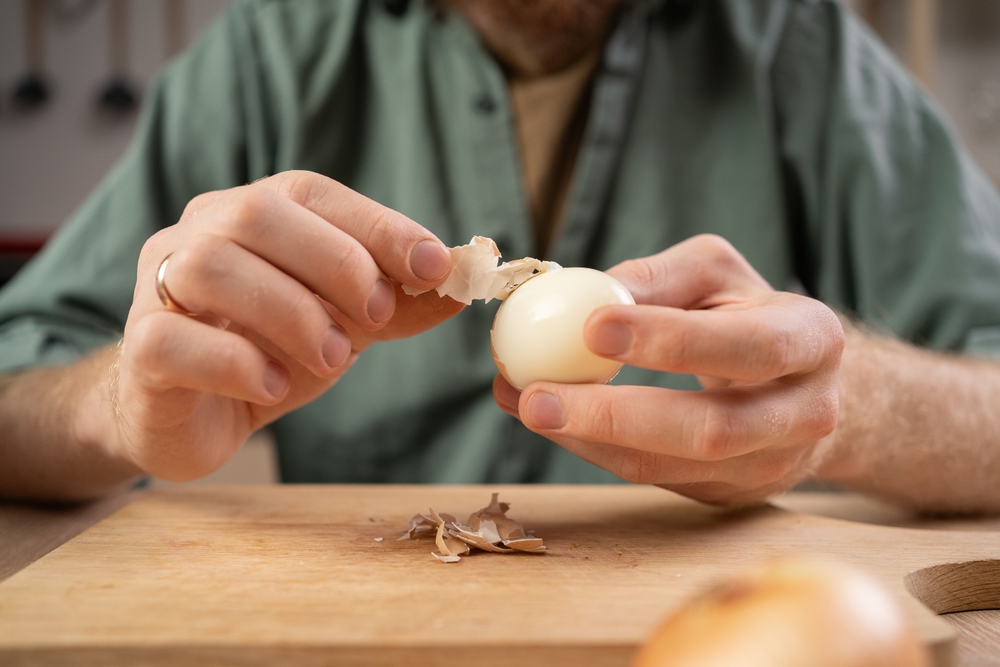
Those who included dairy and eggs but avoided meat had a notably lower risk of blood cancers, showing varied effects depending on diet type.
Fish eaters and colorectal cancer
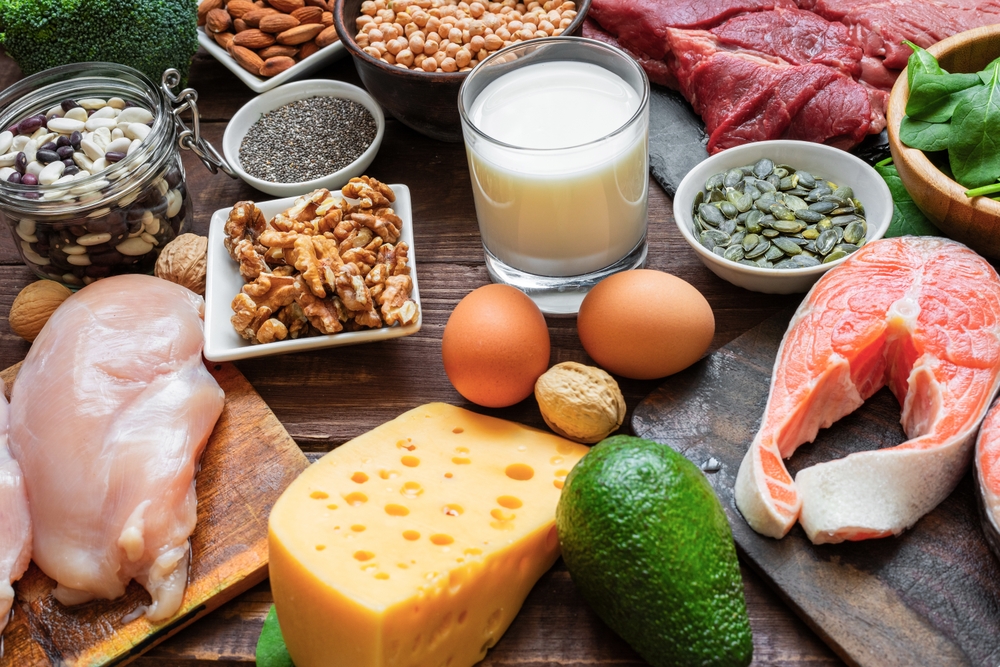
Participants who ate fish but no meat had a reduced likelihood of developing colorectal cancer, suggesting partial benefits.
Also read: Experimental vaccine shows promise in stopping deadly cancer relapses
Lifestyle differences also matter

Vegetarians tended to smoke less, drink less alcohol, and exercise more. Even after adjusting for these factors, the cancer risk remained lower, reinforcing diet’s role.
Rising cancer rates among the young

The findings arrive at a time when colorectal and breast cancers are increasing among people under 50, underscoring the importance of preventive measures.
A simple step with big impact

Researchers conclude that adopting a more plant-forward diet is an accessible, powerful way to reduce the risk of some of the deadliest cancers.
Artiklen er baseret på informationer fra The American Journal of Clinical Nutrition and Nyheder24
Also read: Research Warns Against Instant Noodles - Here’s How to Make Them Healthier
Also read: No More Heartburn: Here Are the Natural Drinks that Work
This article is made and published by Mie Hermansen, who may have used AI in the preparation.