
A new study from Stanford Medicine has revealed groundbreaking insights into how specific brain regions influence autistic behavior.
Here are the most important findings that could change the way we understand and approach autism.
Hyperactivity in a single brain zone plays a key role
Researchers identified increased activity in the so-called thalamic reticular nucleus — a brain region that filters sensory information — as closely linked to behaviors commonly seen in autism.
Mouse models mimic human autism
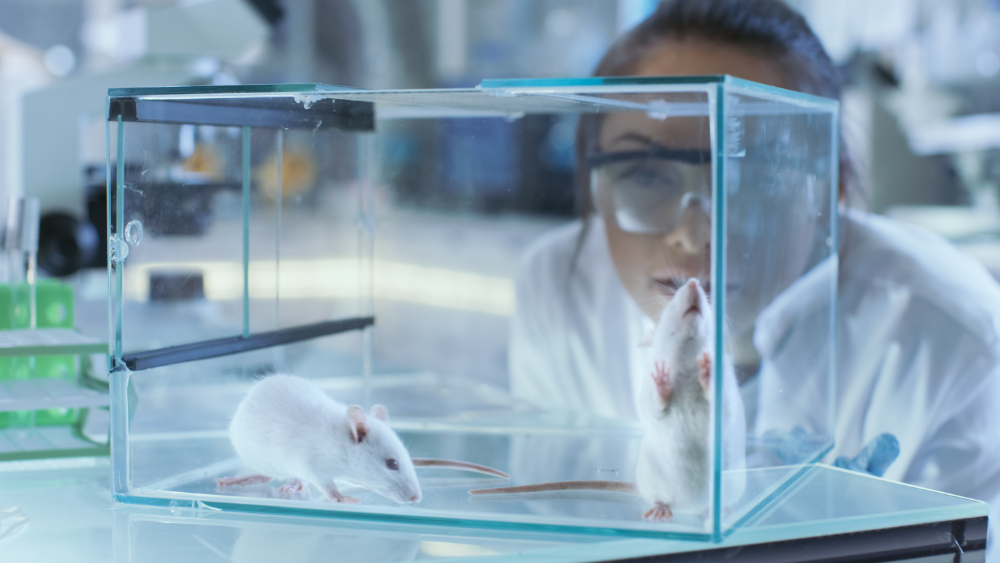
In the study, scientists used genetically modified mice lacking the Cntnap2 gene, which caused behavioral patterns strikingly similar to those observed in people with autism.
Also read: New Study Reveals the Fruit that Can Boost Your Brain, Heart, and Gut
Sensory hypersensitivity tied to brain overactivity

When these autistic mice were exposed to stimuli like light or puffs of air, the thalamic reticular nucleus showed intense activity, mirroring the sensory overload that many autistic individuals experience.
Social interactions triggered abnormal brain responses

Not only physical stimuli but also social encounters triggered unusually high activity in the targeted brain region — a finding rarely documented before.
Spontaneous brain activity caused seizures

Beyond expected responses, the brains of the autistic mice also showed spontaneous bursts of electrical activity, leading to seizures. Yet another overlap with epilepsy.
Autism and epilepsy are connected

The study points out that up to 30 % of individuals with autism also suffer from epilepsy — compared to just 1 % in the general population — suggesting a biological link between the two conditions.
Also read: Can a cough bring cancer back? New link between viruses and relapse
Experimental epilepsy drug reversed behavioral symptoms

When mice were treated with the experimental epilepsy drug Z944, their repetitive behaviors and social deficits significantly decreased, a remarkable effect.
Technology changed how the brain responded
Using a genetic technique known as DREADD (Designer Receptors Exclusively Activated by Designer Drugs), scientists were able to control the overactive brain zone and improve the mice’s behavior.
Boosting activity caused autistic behavior

When researchers artificially increased activity in the thalamic reticular nucleus of healthy mice, they began showing autism-like behavior — proving how crucial this area is.
A new target for autism treatment

The findings highlight the thalamic reticular nucleus as a promising new target for future autism therapies.
Also read: This Mineral Could Protect You Against Dementia - and Here’s How to Get Enough of It
Potentially paving the way for more personalized and effective treatments that address both autism and epilepsy.
This article is based on information from El Confidencial.
Also read: Do You Often Wake Up With a Puffy Face? Then You Should Avoid These Foods
This article is made and published by Ida-Marie Palm Varbæk, who may have used AI in the preparation.