
For many people undergoing chemotherapy, the toughest symptoms appear in the hours and days right after treatment. Others may notice side effects that linger for weeks, months, or even years.
Here’s a breakdown of what to expect and how long different side effects might last.
When do side effects begin?

Symptoms often start within 24 to 48 hours after chemotherapy. While some fade within a week, others may last longer or appear weeks later.
Which days feel the hardest?

The first days after treatment are usually described as the most difficult, with fatigue and nausea being the main challenges.
Also read: Are you a mosquito magnet? Here’s what makes the bugs choose you
With repeated chemotherapy cycles, side effects can become more severe over time.
The most common side effects
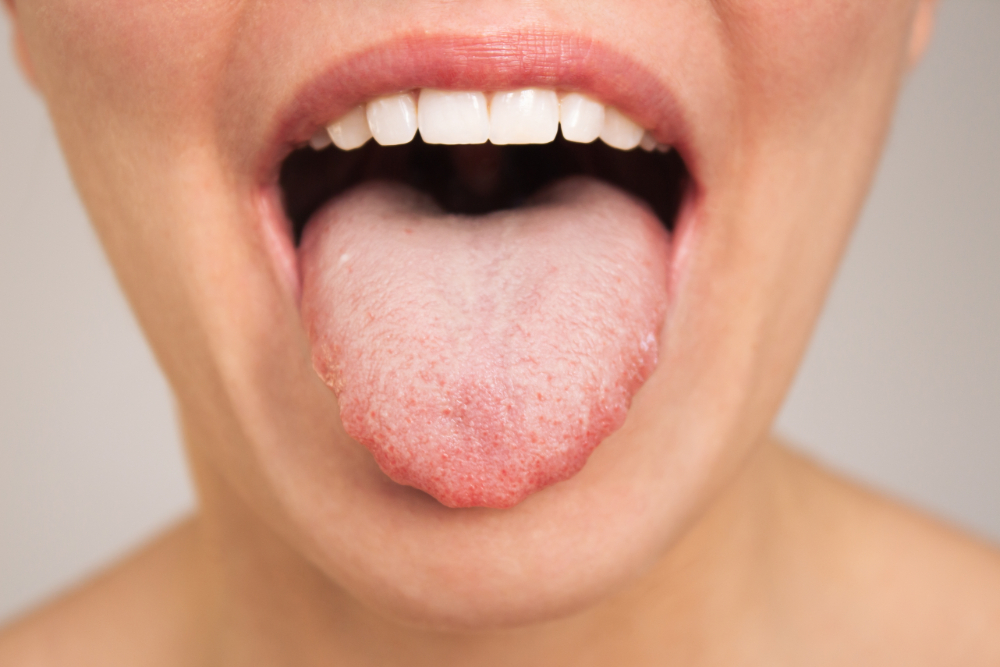
Fatigue, nausea, infections, hair loss, mouth sores, appetite loss, sleep problems, and skin changes are among the most frequent issues.
Memory and concentration problems, as well as mood changes, are also common.
Treatment for side effects

A full care team, including doctors, nurses, dietitians, and therapists, can help manage symptoms.
Also read: These Common Medications Can Cause Dangerous Skin Reactions in the Sun
Medication, therapy, and physical activity are common approaches to easing the burden.
Nausea and vomiting

For many patients, nausea is the most distressing side effect. Doctors can prescribe medications called antiemetics to reduce symptoms.
It’s important to let your healthcare provider know if one option doesn’t work so they can adjust your treatment.
Fatigue and exhaustion

Fatigue can be caused by low blood counts, hormonal changes, or emotional stress.
Also read: The 13 Most Common Cancers You Need to Know About
Solutions include medication, gentle physical activity, sleep therapy, massage, yoga, and nutritional counseling.
Hair loss and emotional impact

Hair loss can be upsetting and difficult to cope with. Speaking with a counselor, or choosing wigs or scarves, can make the transition easier.
Many cancer centers provide resources for free or discounted wigs.
Other common problems

Constipation, diarrhea, mouth pain, and changes in skin or nails are also widespread.
Also read: How to Spot Multiple Sclerosis Symptoms at Home
Staying hydrated, eating fiber-rich foods, and practicing good oral care can help reduce discomfort.
Questions to ask your doctor

Consider asking: Which symptoms should I call you about? How long will side effects last? Are there long-term risks? What follow-up care will I need?
Having these answers can help you feel more prepared.
How long do side effects last?

Some symptoms improve quickly with treatment, while others persist until chemotherapy ends.
Also read: New Research Shows That 22 of These Nuts a Day Could Change Your Health
In some cases, certain effects, like heart or bone problems, may not show up until years later.
Can side effects be prevented?

While not all side effects can be avoided, steps like taking prescribed medications, using a cooling cap, maintaining good hygiene, gentle exercise, and stress-reducing practices such as meditation or journaling can ease the process.
Support and care during recovery

Loved ones can play an important role by preparing meals, picking up prescriptions, or simply being there to listen.
Support groups, both in person and online, are also valuable resources for emotional and practical advice.
This article is based on information from Healthline.com.
This article is made and published by Ida-Marie Palm Varbæk, who may have used AI in the preparation.