
Summer evenings often mean barbecues, long walks and time outdoors – but also the constant nuisance of itchy mosquito bites. New research helps explain why some people seem to attract the insects relentlessly while others are barely noticed.
Exhaling makes you a target
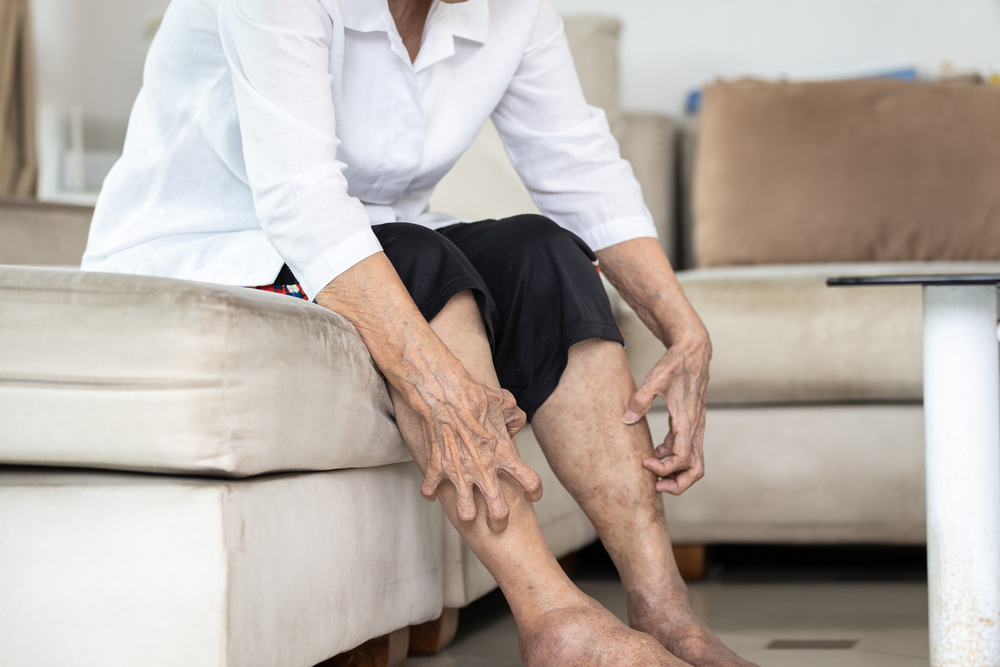
The amount of carbon dioxide you breathe out is one of the strongest signals for mosquitoes. The higher your output, the more attractive you become.
A fast metabolism draws them in
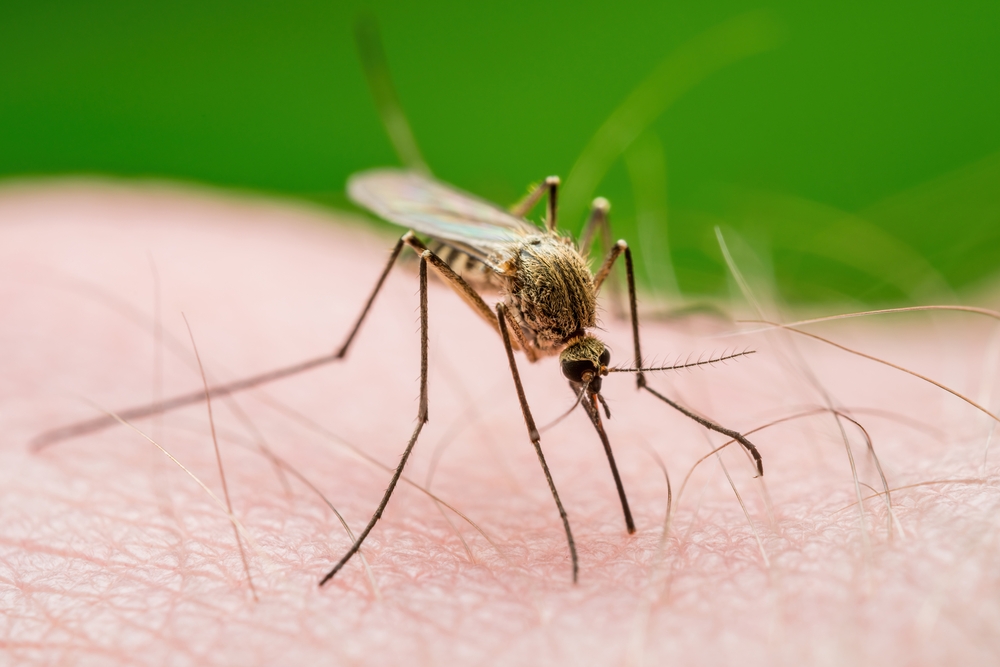
People with naturally higher metabolic rates release more carbon dioxide, putting them at greater risk of being chosen by mosquitoes.
Lactic acid points the way
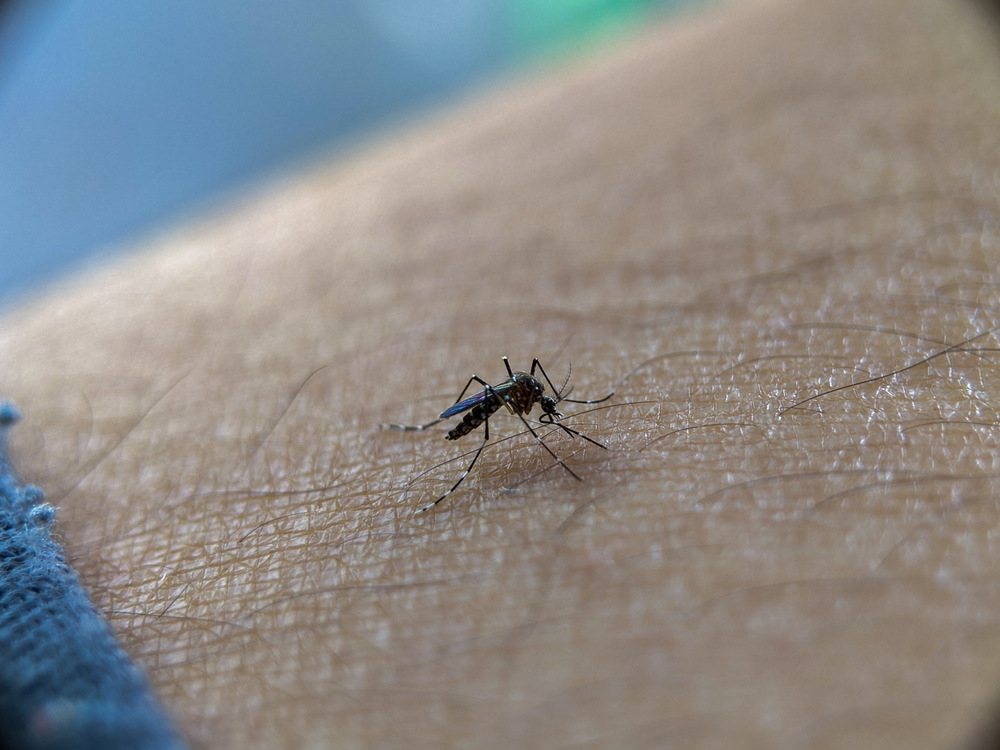
When your muscles work, they produce lactic acid. Mosquitoes detect this chemical on the skin and use it as a guide to locate a blood source.
Also read: These Common Medications Can Cause Dangerous Skin Reactions in the Sun
Clothing colour matters

Dark clothing makes you stand out clearly against the horizon, making it easier for mosquitoes to spot you. Light colours help you blend in and reduce bites.
Body heat attracts them
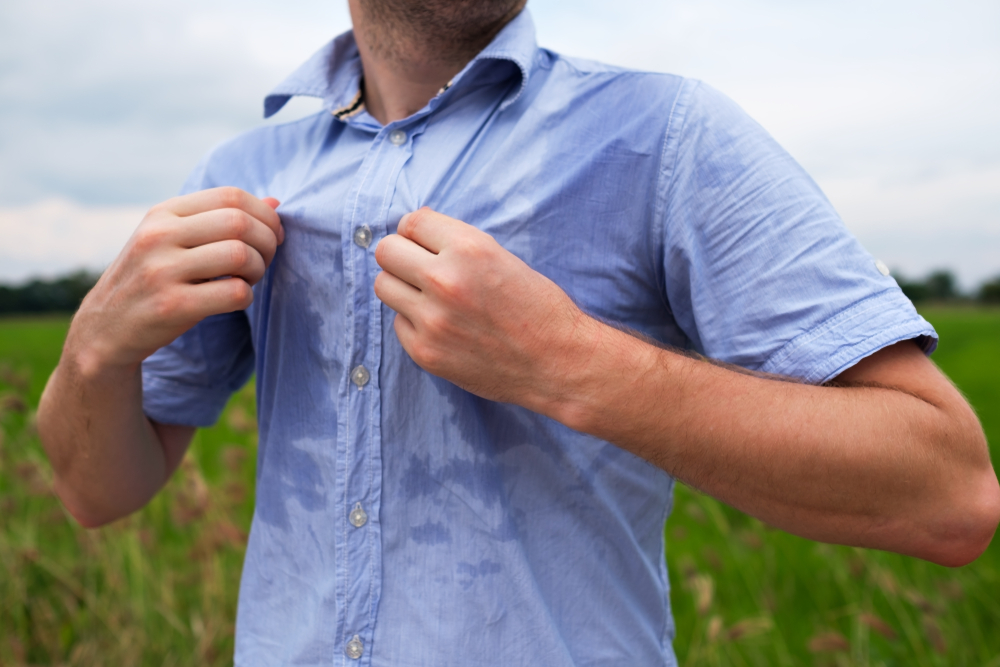
Mosquitoes are drawn to warmth. Those with slightly higher body temperatures are more likely to get bitten once the insects land.
Alcohol increases the risk

Drinking alcohol changes body chemistry and can increase body heat and perspiration, making you a more appealing target for mosquitoes.
Exercise makes you vulnerable

Physical activity boosts breathing, body temperature and lactic acid release, creating the perfect mix of signals for mosquitoes.
Also read: The 13 Most Common Cancers You Need to Know About
Weight plays a role

Carrying extra weight can mean more body heat and carbon dioxide output, both of which draw mosquitoes closer.
Pregnancy raises the chance of bites

Pregnant women exhale more carbon dioxide and have slightly higher body temperatures, making them more attractive to mosquitoes.
How to reduce the risk
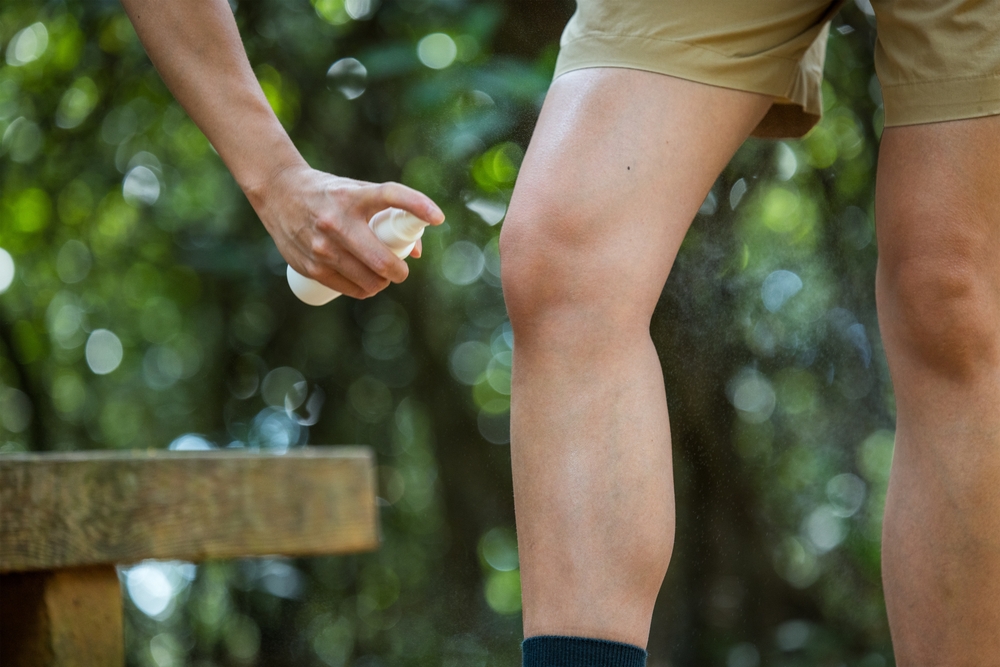
Wearing light-coloured clothing, avoiding outdoor activity after intense exercise or alcohol, and using mosquito repellents are the most effective strategies for keeping bites at bay.
This article is based on information from LadBible
Also read: How to Spot Multiple Sclerosis Symptoms at Home
Also read: New Research Shows That 22 of These Nuts a Day Could Change Your Health
This article is made and published by Mie Hermansen, who may have used AI in the preparation.