
Measuring your blood pressure at home might sound simple, but when and how you do it can completely change the results.
If you want reliable, medically useful readings, here are some key points you need to follow. Especially if your health depends on getting it right.
Morning measurement is crucial for accuracy
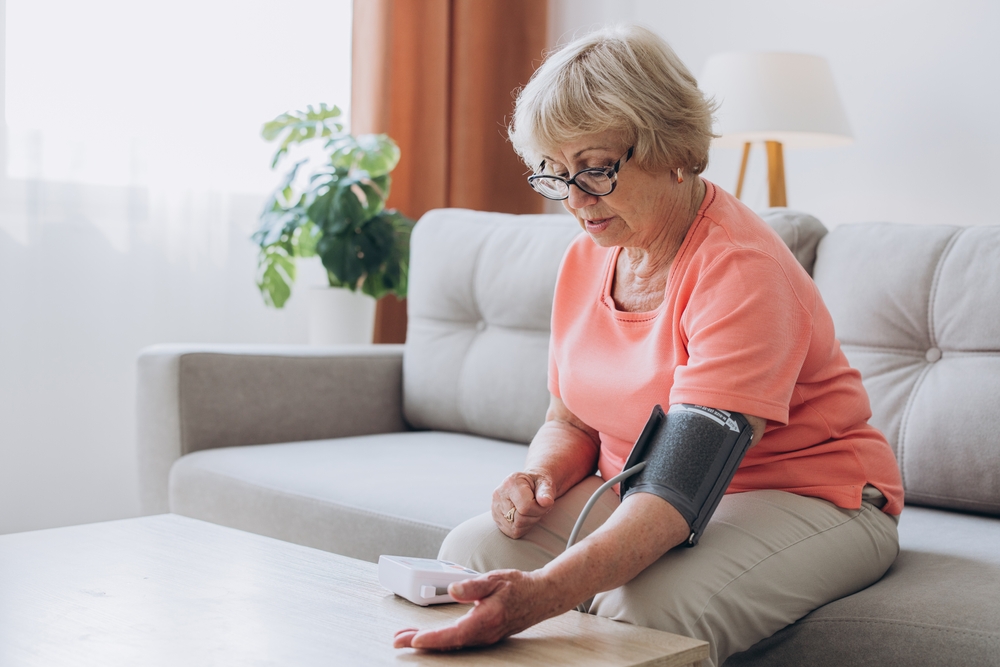
Your blood pressure should be measured in the morning, within an hour of waking up and before breakfast, coffee, smoking, or taking medication.
This reveals your “baseline” pressure and shows whether your treatment from the previous evening is still working.
Also read: These Simple Phrases Earn You Instant Respect
Evening measurements catch hidden spikes
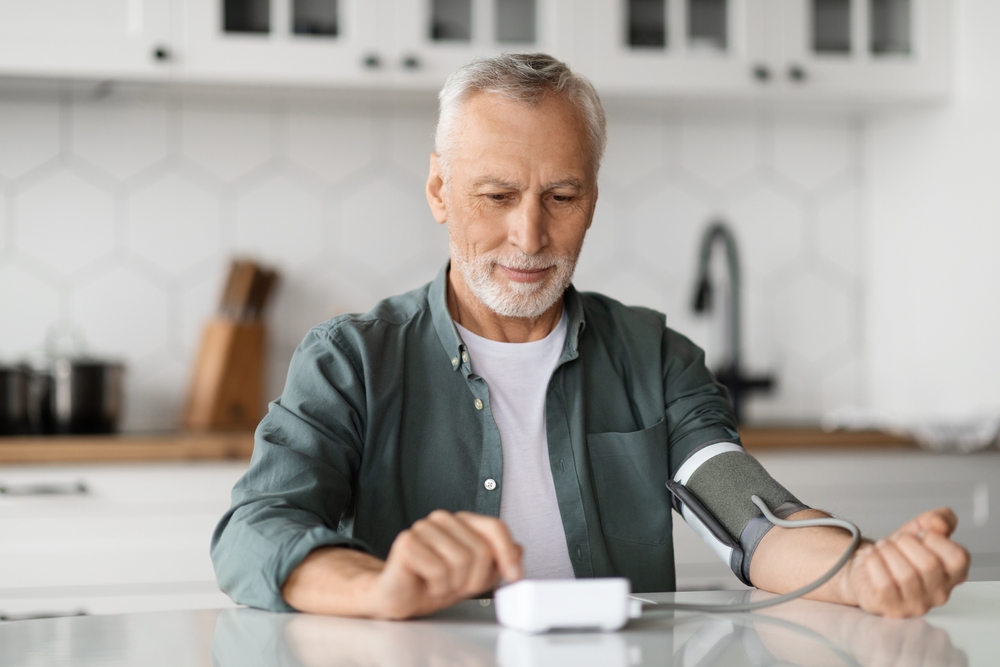
Take a second reading in the late afternoon or early evening, ideally before dinner or at least two hours after eating.
These readings often reveal evening spikes that could otherwise go unnoticed.
Always take two readings
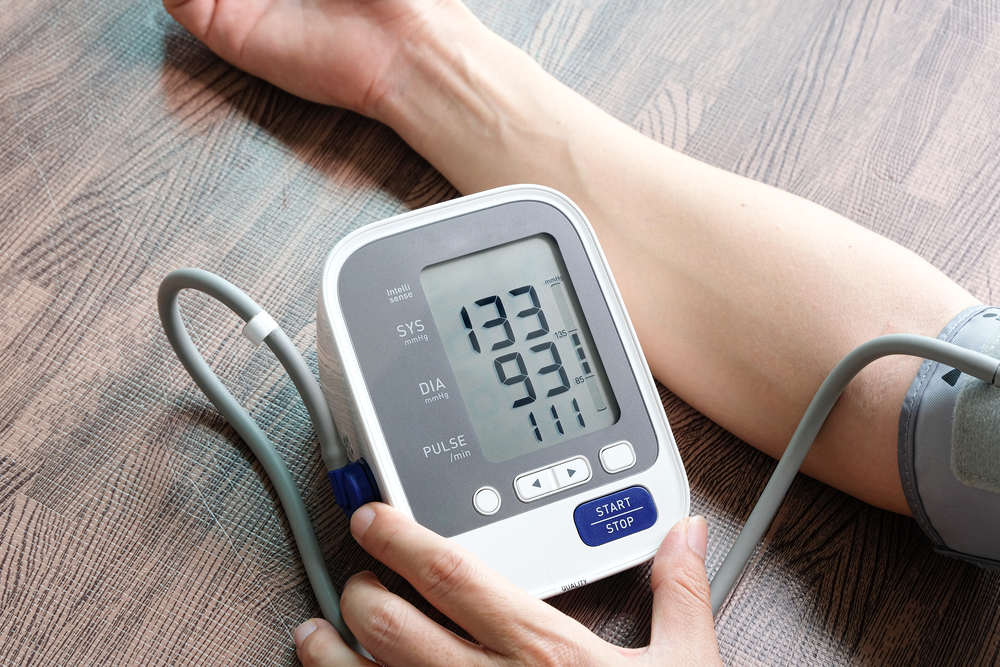
Each time you check your blood pressure, take two readings at a one-minute interval.
If the results differ significantly, take a third one and disregard the first. This helps eliminate accidental inaccuracies.
Also read: How Many Eggs a Day Is Actually Healthy? Experts Weigh In
Measure for 3–7 days in a row – skip day one
To get an accurate average, measure your blood pressure morning and evening for 3 to 7 consecutive days.
Discard the readings from the first day and calculate the average from the remaining days.
Your body follows a pressure rhythm
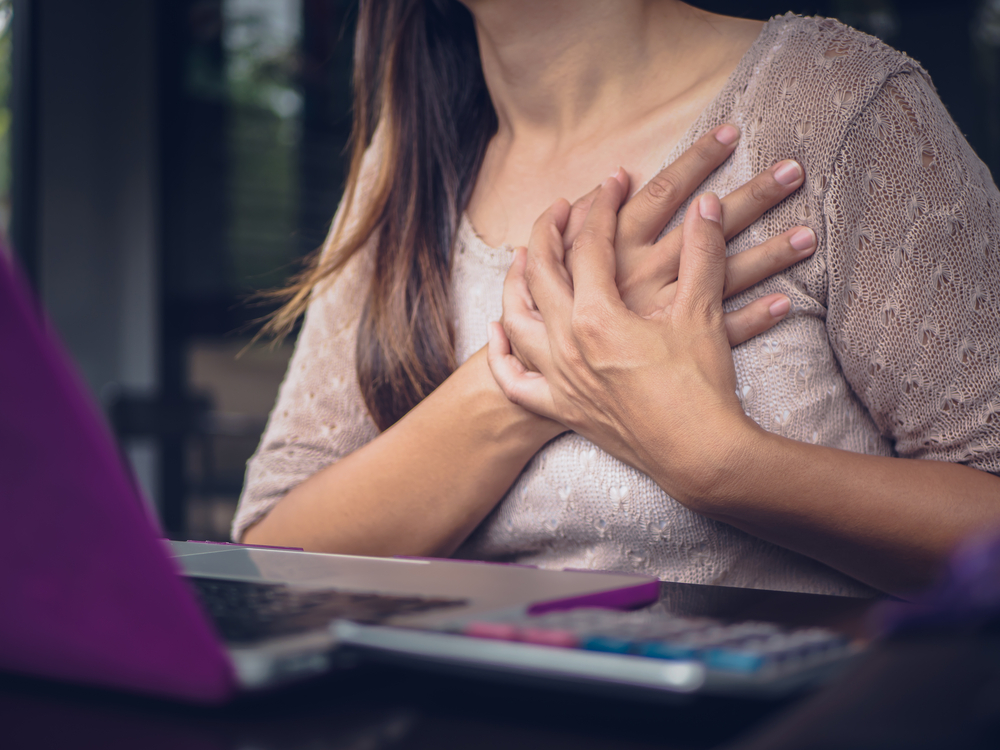
Blood pressure follows a circadian rhythm: it rises sharply in the morning, stays relatively stable during the day (with possible fluctuations due to stress or caffeine), and usually drops at night.
Some people don’t experience the nighttime dip, which is linked to worse health outcomes.
Also read: These Common Symptoms Might Signal Colon Cancer
Technique matters as much as timing
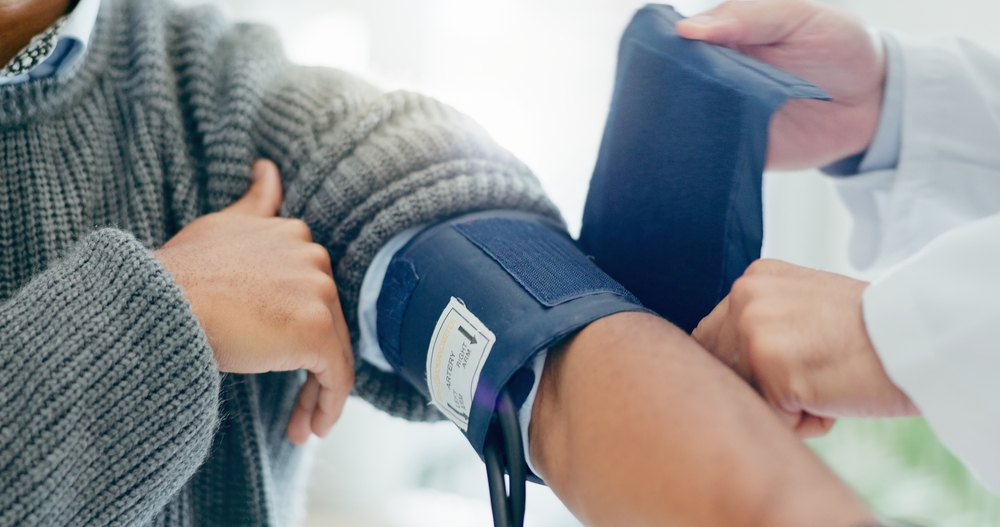
Sit still for at least five minutes before taking a reading, with your back supported and both feet flat on the floor.
Use a correctly sized upper arm cuff (not wrist). Keep your arm at heart level on a table.
Avoid caffeine, alcohol, smoking, or exercise 30 minutes before. Make sure your bladder is empty and you're not in pain or feverish.
What’s considered a normal value?
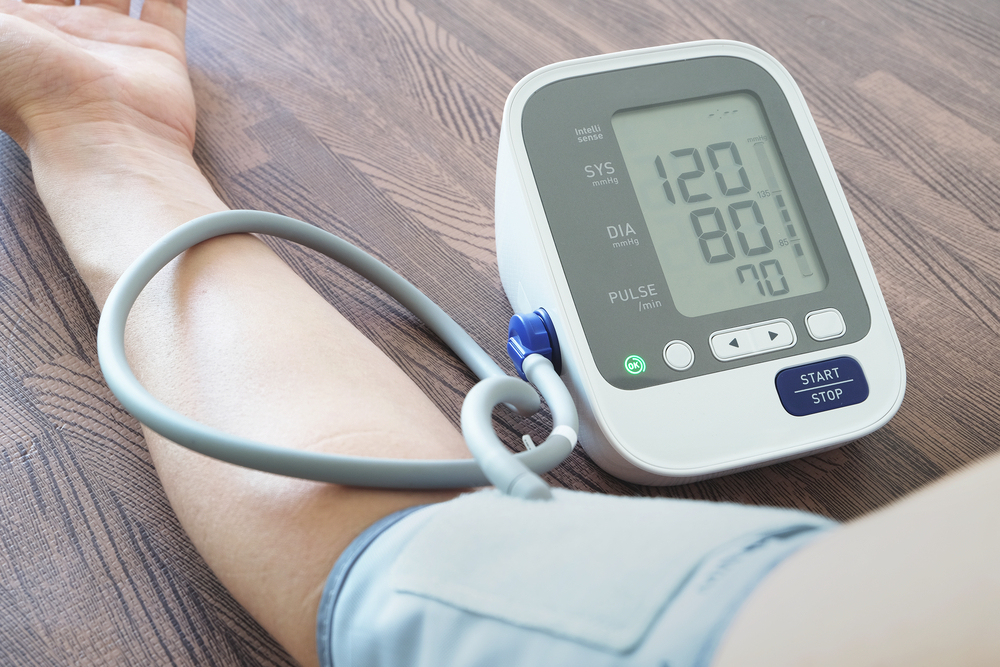
According to European guidelines, a normal home blood pressure average should be below 135/85 mmHg. The ideal is under 120/80 mmHg.
Also read: How Long Will Chemo Side Effects Affect You?
However, individual targets may be different if you have conditions like diabetes or kidney disease – always follow your doctor’s guidance.
Some cases require more frequent checks
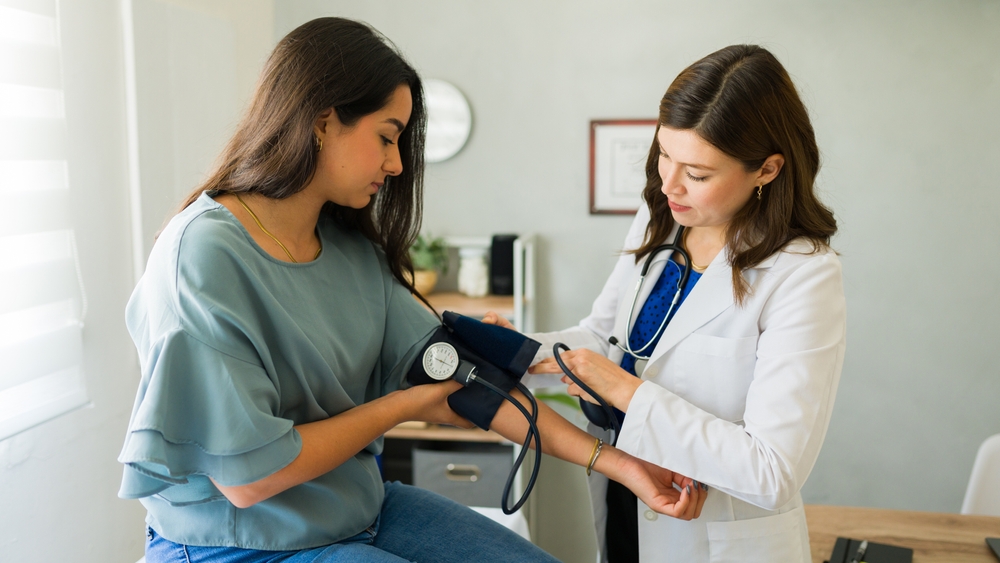
Morning/evening readings aren’t always enough.
If there's suspicion of night-time hypertension, “white coat” syndrome, or masked hypertension, your doctor may recommend 24-hour monitoring (ABPM) for a fuller picture.
Special situations call for custom rules
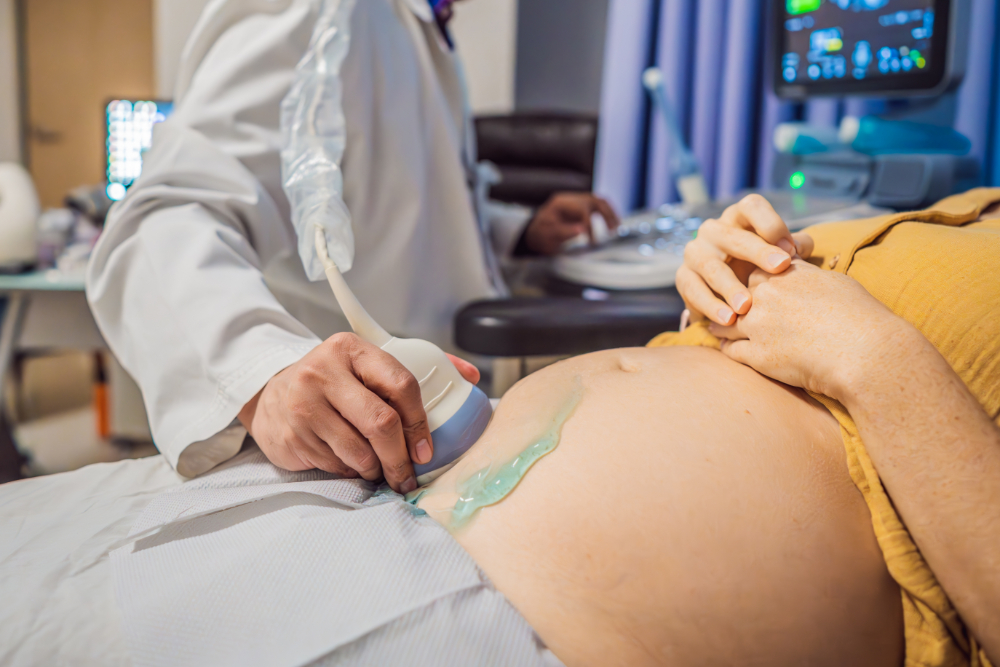
Pregnant women need certified devices and should measure twice daily. Elderly people should also measure standing after 1–3 minutes to detect postural drops.
Also read: Are you a mosquito magnet? Here’s what makes the bugs choose you
Shift workers must adapt timing based on sleep. People with arrhythmias, like atrial fibrillation, should take multiple readings as values may vary.
Common mistakes to avoid
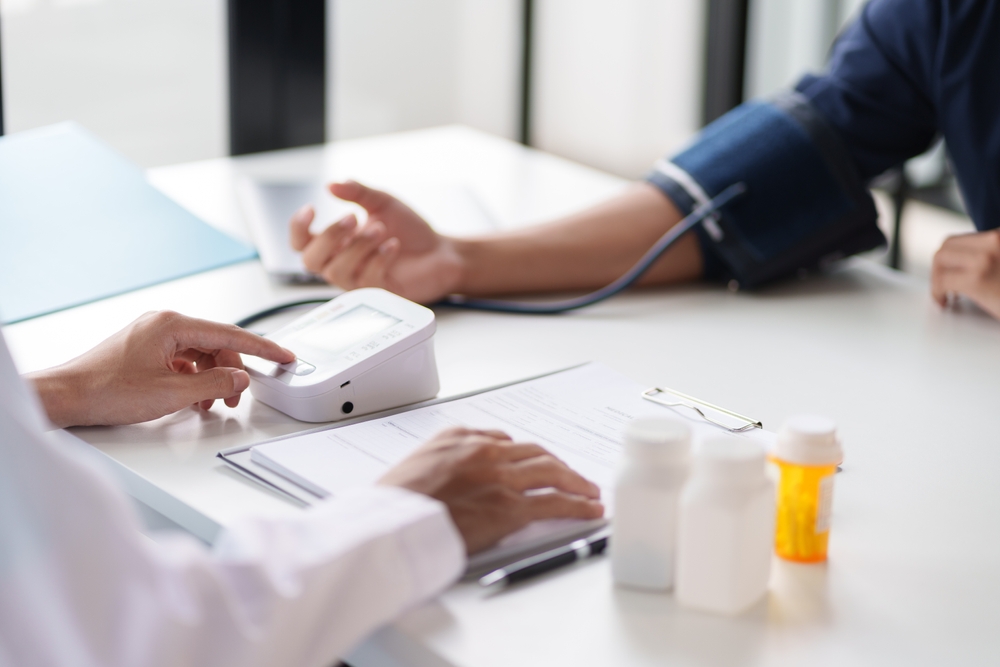
Only measuring when you feel unwell, changing times daily, skipping prep steps, using the wrong cuff size, or focusing on single readings instead of averages are all common errors.
These can lead to incorrect assumptions about your health or medication needs.
This article is based on information from Healthy.thewom.it.
This article is made and published by Ida-Marie Palm Varbæk, who may have used AI in the preparation.