
Millions of people struggle with high blood pressure, also known as the silent killer.
While it often requires medical treatment, research shows that certain foods can help bring the numbers down to a healthier level.
Here are some foods that can help you manage your blood pressure naturally.
Beetroot juice
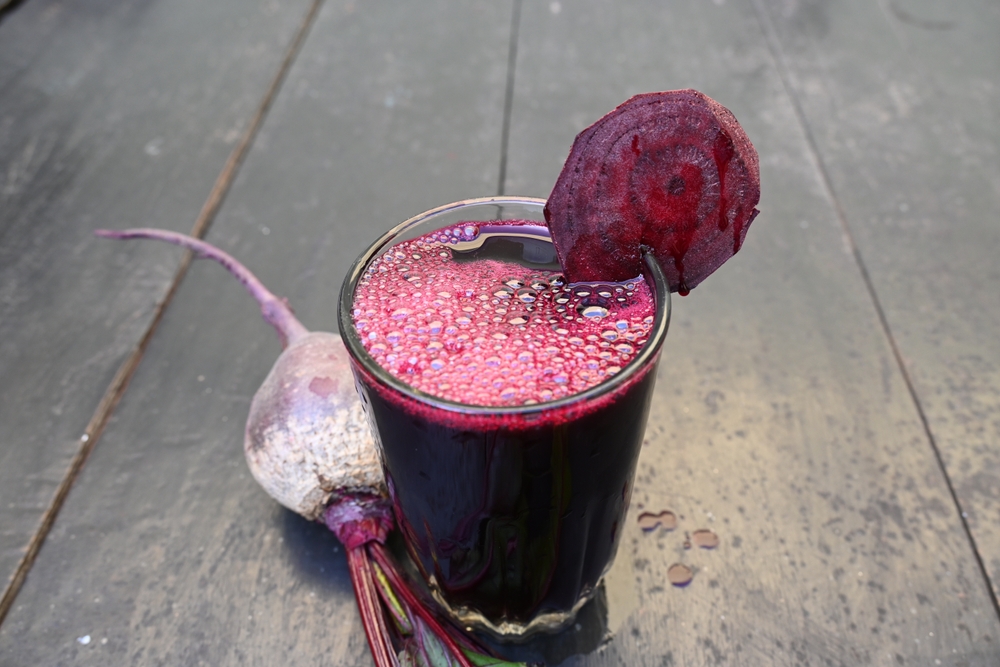
Beets are packed with nitrates, which the body converts into nitric oxide which is a compound that widens blood vessels and improves blood flow.
Also read: Clear Signs Your Body Is Low On Magnesium
Studies have shown that older adults who drank small amounts of beet juice twice a day experienced a noticeable drop in blood pressure.
In addition, improvements were noted in their oral microbiome, which may offer additional health benefits.
Unsalted nuts
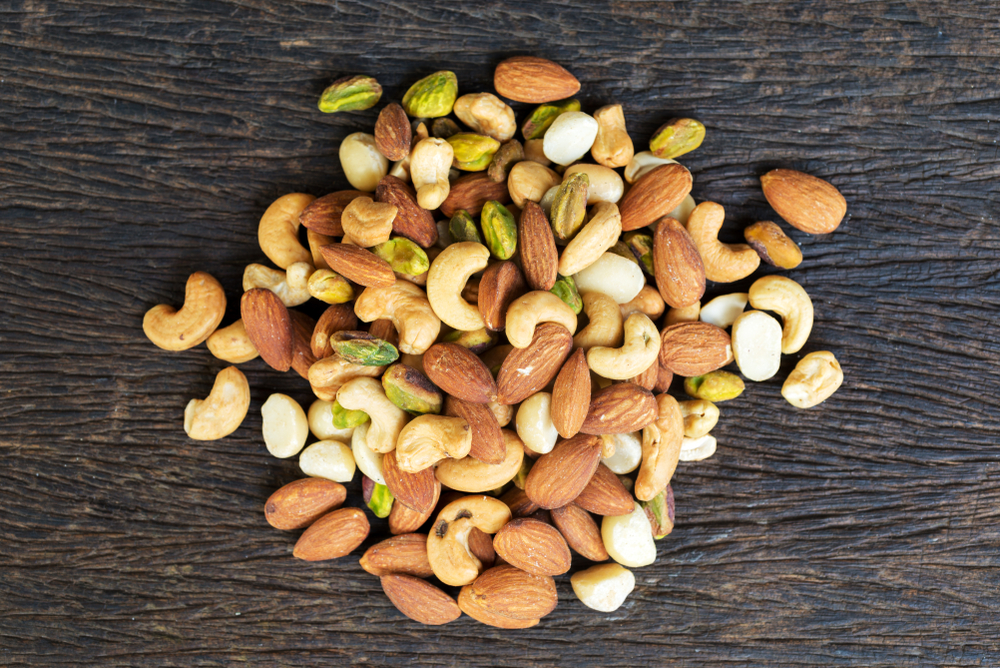
Nuts like almonds and pistachios contain L-arginine, an amino acid that also boosts nitric oxide production.
They’re also rich in potassium, magnesium, and calcium, the three minerals essential for heart and vascular health.
Also read: Simple Habits That Will Keep Your Home Spotless
Low-sugar yogurt
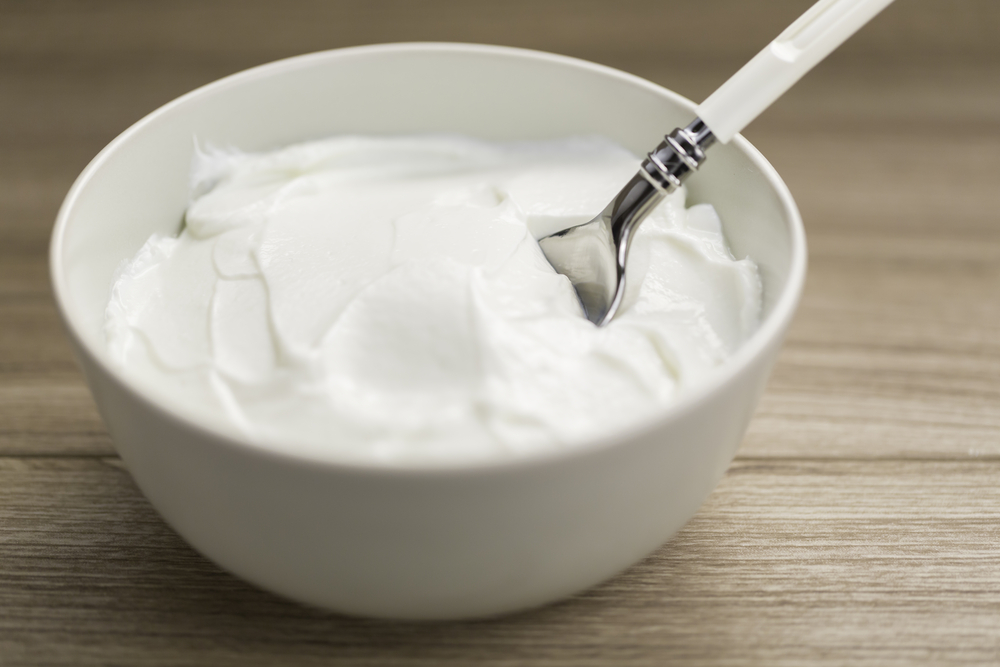
Yogurt is a great source of both calcium and potassium, which are key to maintaining healthy blood pressure levels.
The probiotic content also helps the body absorb these nutrients more efficiently while promoting good digestive health.
Kiwi
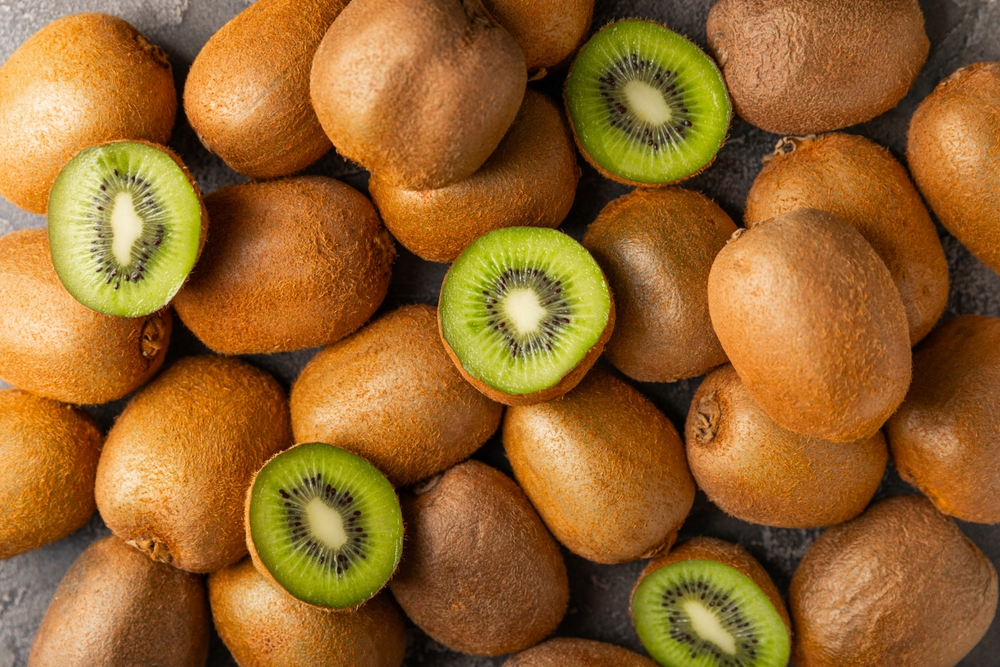
Kiwis are rich in antioxidants and have proven especially effective in combating mild hypertension.
In one study, people who ate three kiwis a day for eight weeks saw a significantly greater drop in blood pressure than those who only ate one apple a day.
Also read: Dentist Says These “Healthy” Snacks Are Just As Harmful As Candy
Dark chocolate

Dark chocolate contains flavan-3-ols, which stimulate the production of nitric oxide and improve blood vessel function.
According to a 2025 study, daily intake of cocoa flavonoids can have an effect comparable to certain blood pressure medications.
Legumes
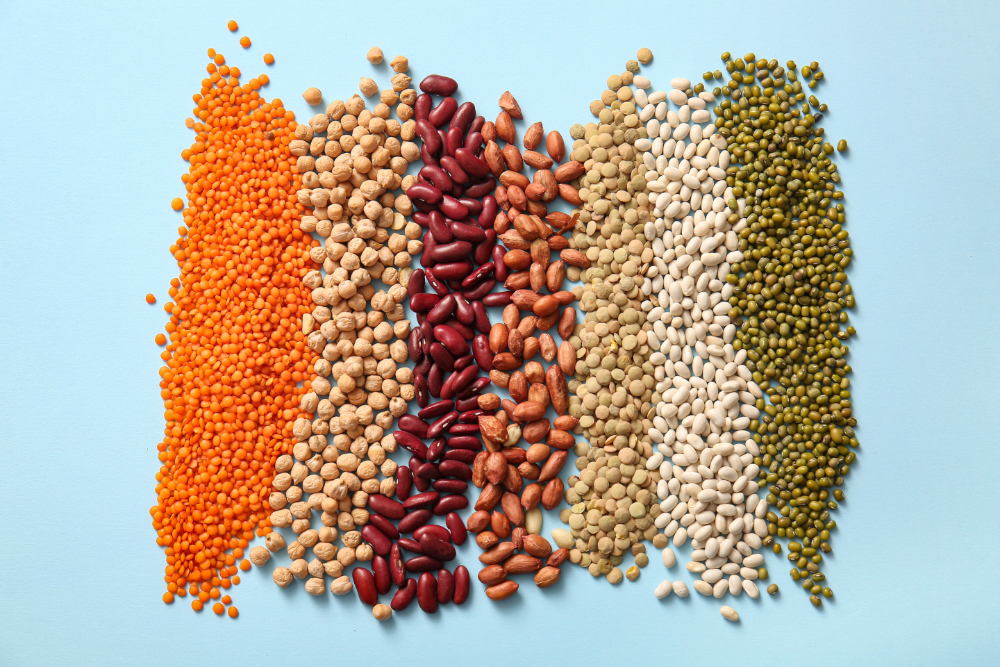
Lentils, chickpeas, and beans are full of fiber, protein, and potassium.
Several studies have shown that regular consumption of legumes leads to lower blood pressure and a reduced risk of cardiovascular disease.
Also read: Living Alone After 60? Here's How to Avoid Loneliness
They’re a great plant-based source of essential nutrients.
Leafy green vegetables
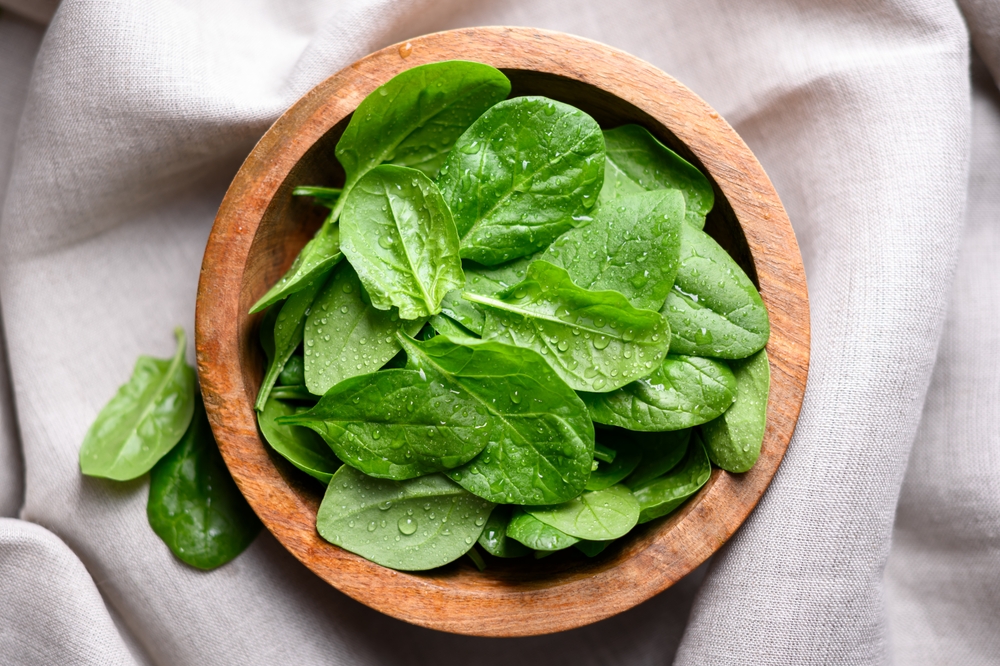
Spinach, kale, and other leafy greens are high in potassium and magnesium.
These minerals help balance sodium levels in the body and support healthy blood pressure regulation. Eat them raw in salads or lightly steamed for best results.
Garlic
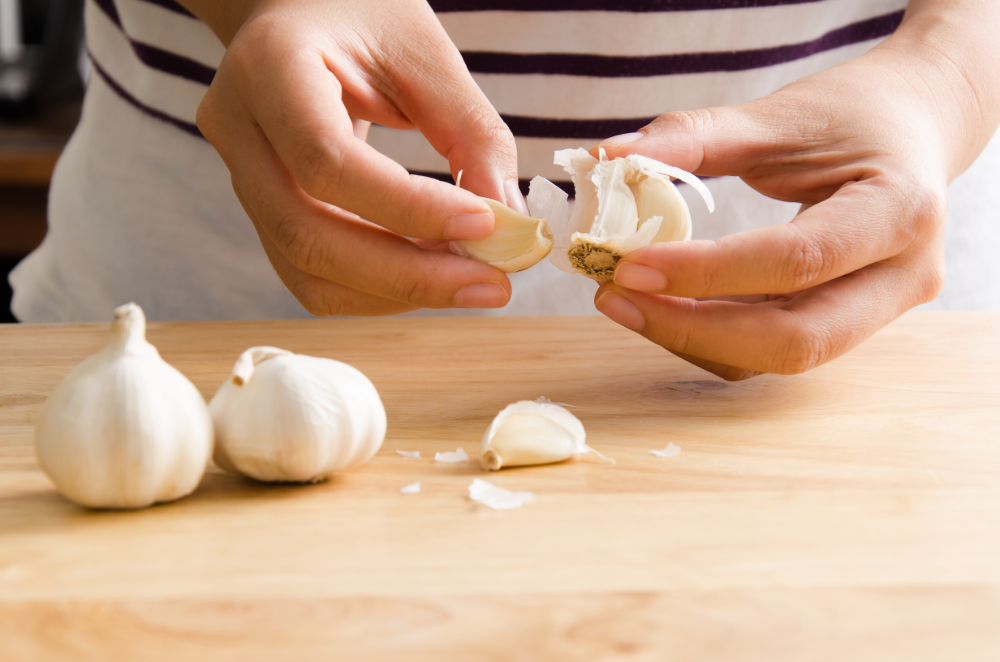
Garlic is well-known for its blood pressure-lowering effects. The active compound allicin has a vasodilating effect, expanding blood vessels and improving circulation.
Also read: How Many Bathroom Visits a Day Are Normal?
Raw garlic or garlic supplements are recommended for maximum effect.
Bananas
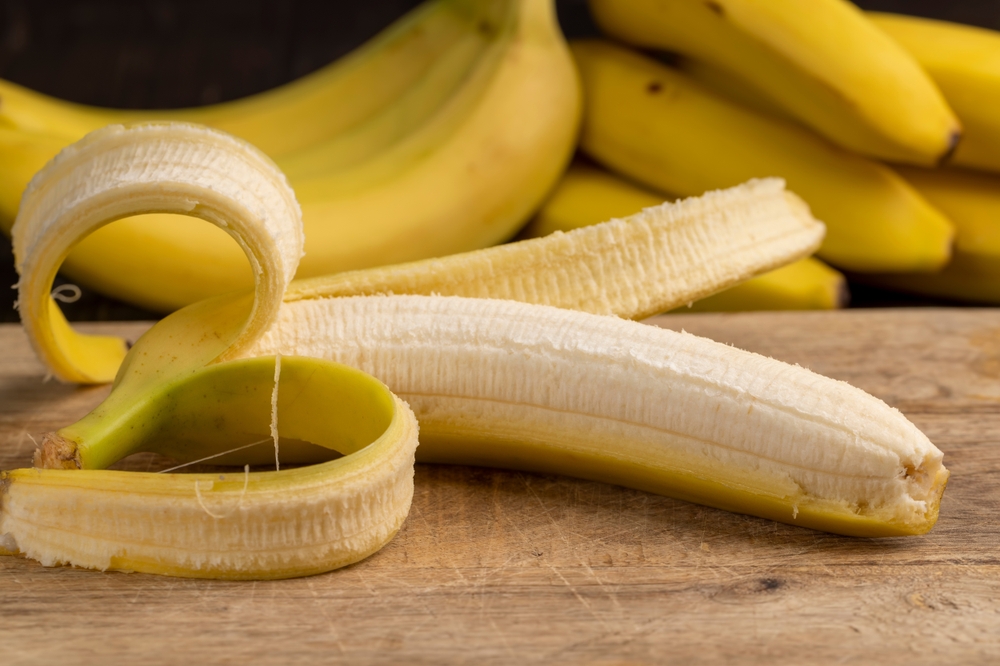
Bananas are one of the best natural sources of potassium, which is crucial for blood pressure regulation.
Potassium helps the body eliminate sodium through urine, which reduces pressure on the blood vessels. One banana a day can be a simple path to healthier numbers.
Oatmeal
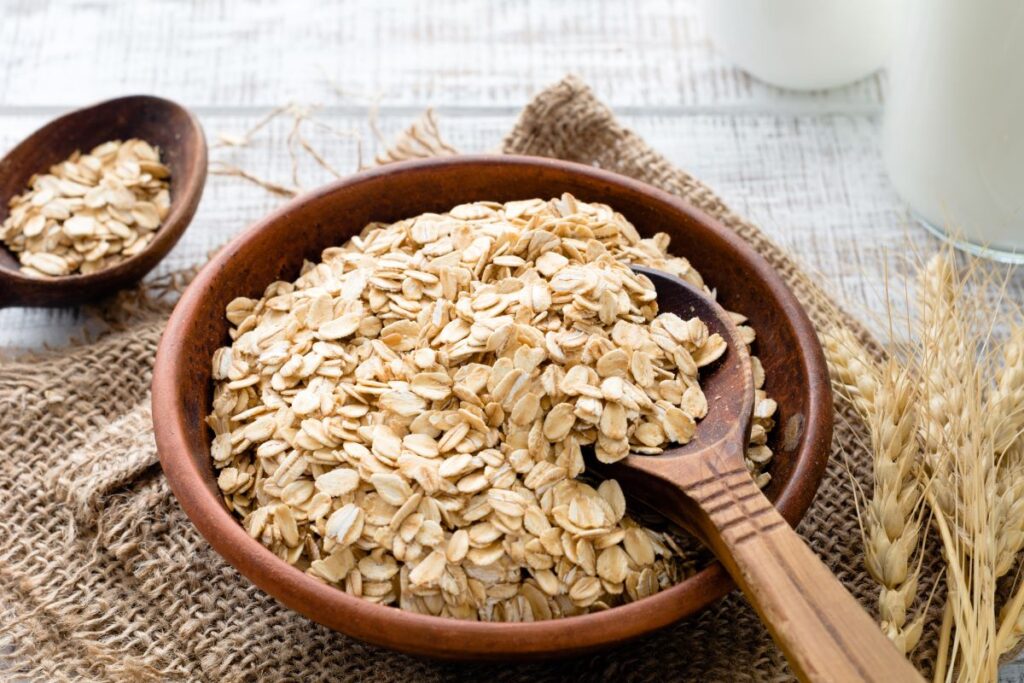
Oatmeal contains beta-glucan, a soluble fiber that helps lower cholesterol and stabilize blood sugar.
Regular oatmeal consumption has also been shown to benefit blood pressure, especially when combined with an overall healthy lifestyle.
This article is based on information from Healthy.walla.co.il.
This article is made and published by Ida-Marie Palm Varbæk, who may have used AI in the preparation.