
A diet rich in colorful fruits may do more than just satisfy your sweet tooth. Health researchers say certain fruits carry unique compounds that can help protect your body and reduce the risk of cancer.
Blueberries
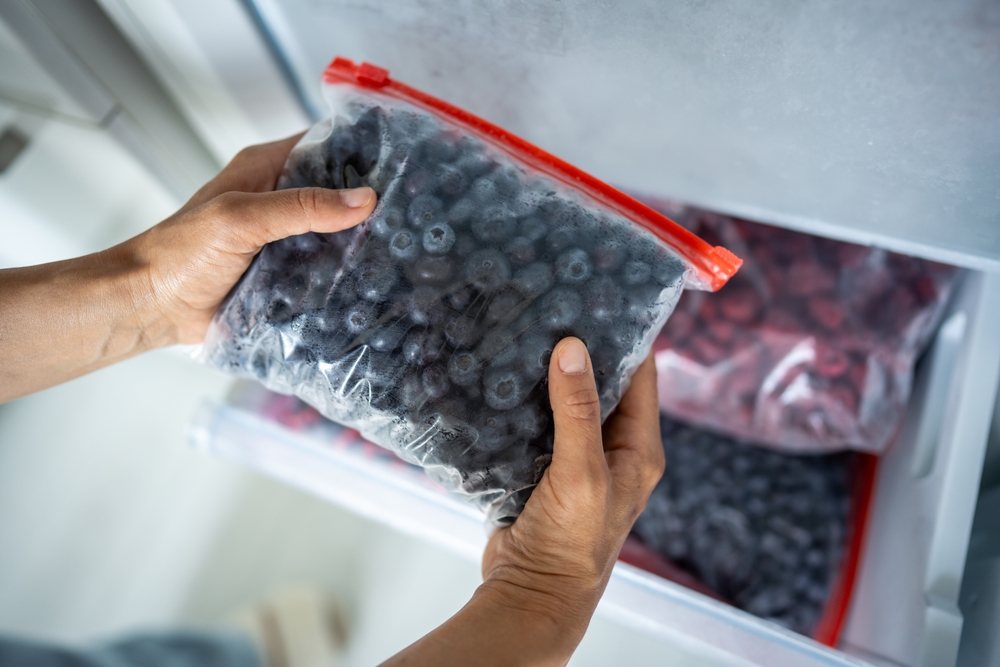
Packed with anthocyanins, blueberries may help protect DNA from damage and reduce inflammation, both of which are linked to cancer development. Their high fiber content also supports gut health and may play a role in lowering colorectal cancer risk.
Avocados
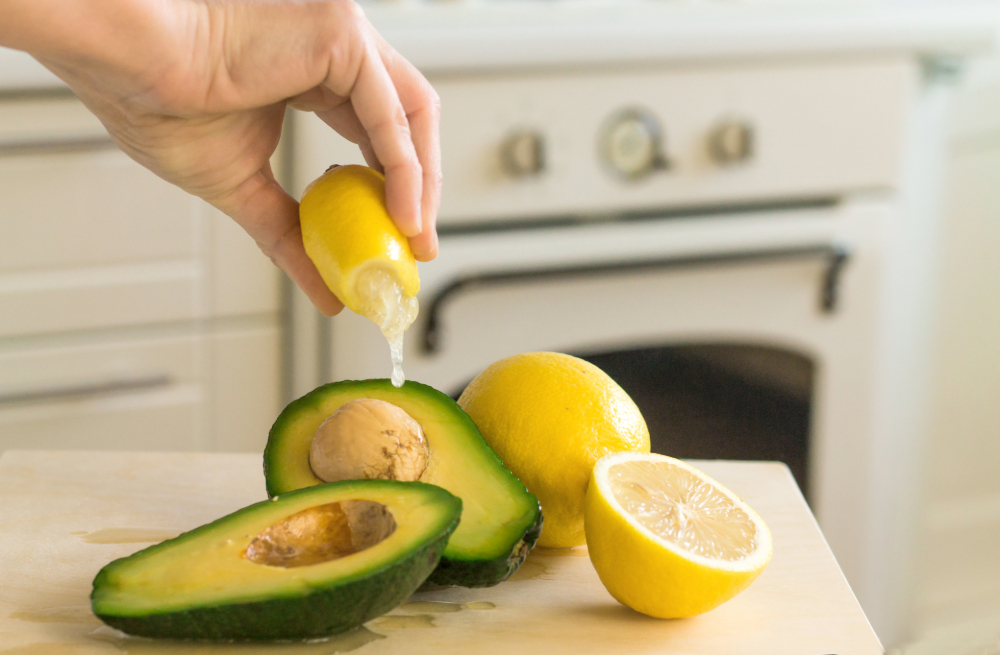
Unlike most fruits, avocados are rich in healthy monounsaturated fats and fiber. Studies suggest that men who eat avocado weekly may have a lower risk of developing cancers such as colorectal, lung, and bladder.
Apples
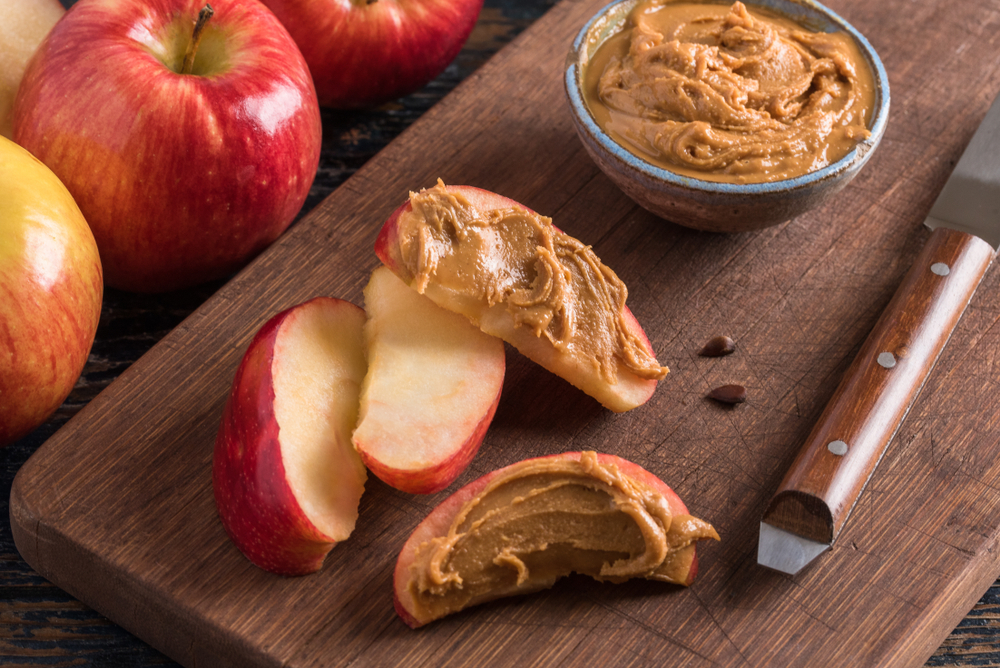
Apples contain quercetin and other phenolic compounds with strong antioxidant and anti-inflammatory effects. These bioactive nutrients may help slow the growth of harmful cells, while the fiber supports digestive health.
Also read: The most anti-inflammatory spices ranked
Red grapes
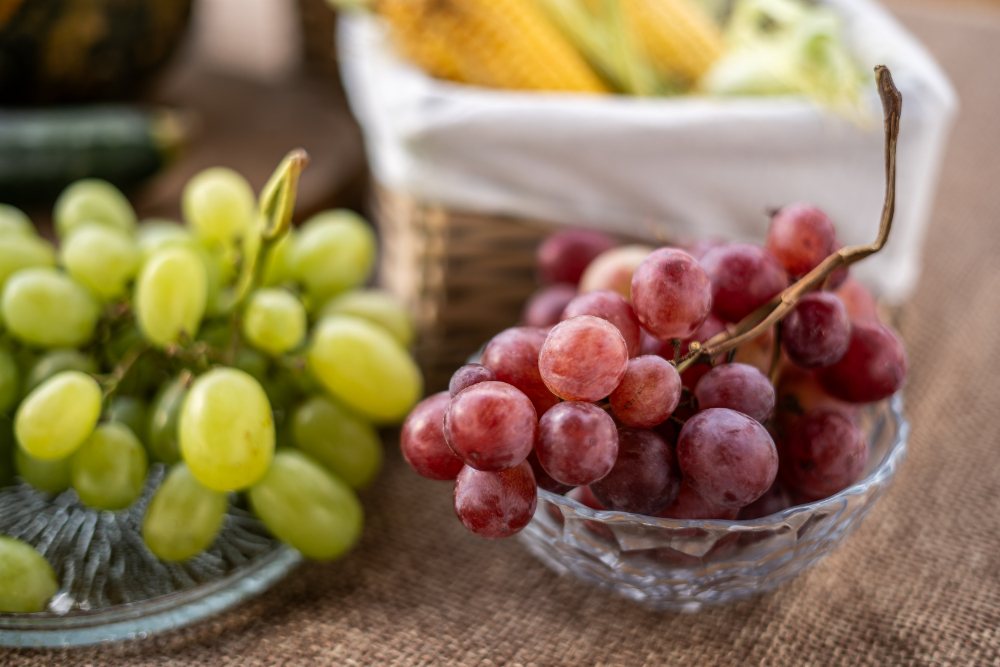
Known for their polyphenols, including resveratrol, red grapes may help prevent the spread of cancer cells. These compounds are also found in green grapes, making them an easy snack that offers protective health benefits.
Kiwi
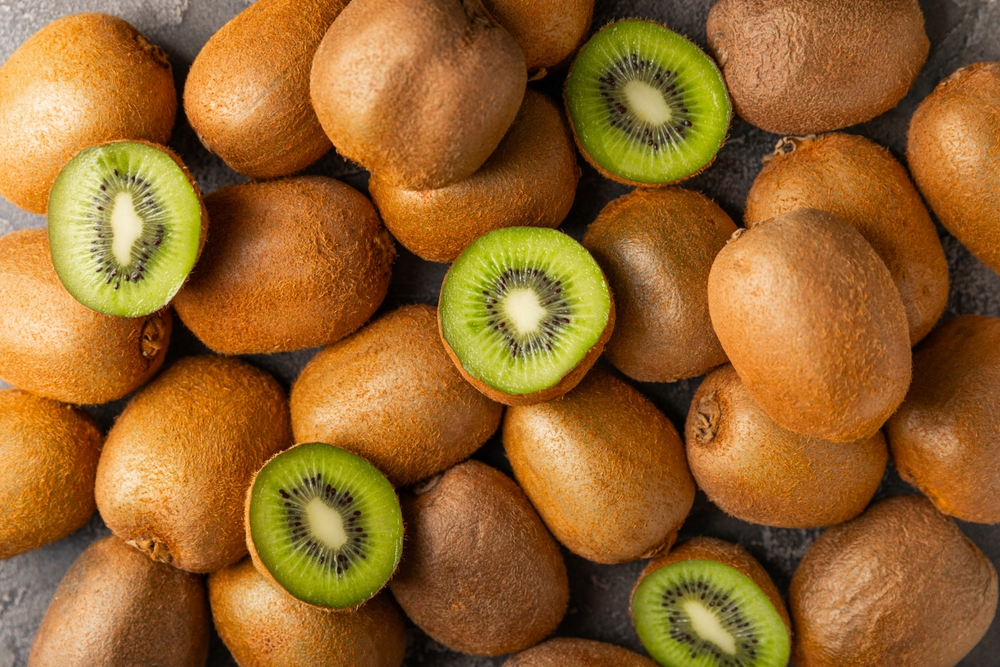
Rich in vitamin C, kiwi acts as a powerful antioxidant that shields the gastrointestinal lining from damage. Vitamin C also plays a role in reducing harmful compounds formed during digestion, potentially lowering cancer risk.
Tomatoes
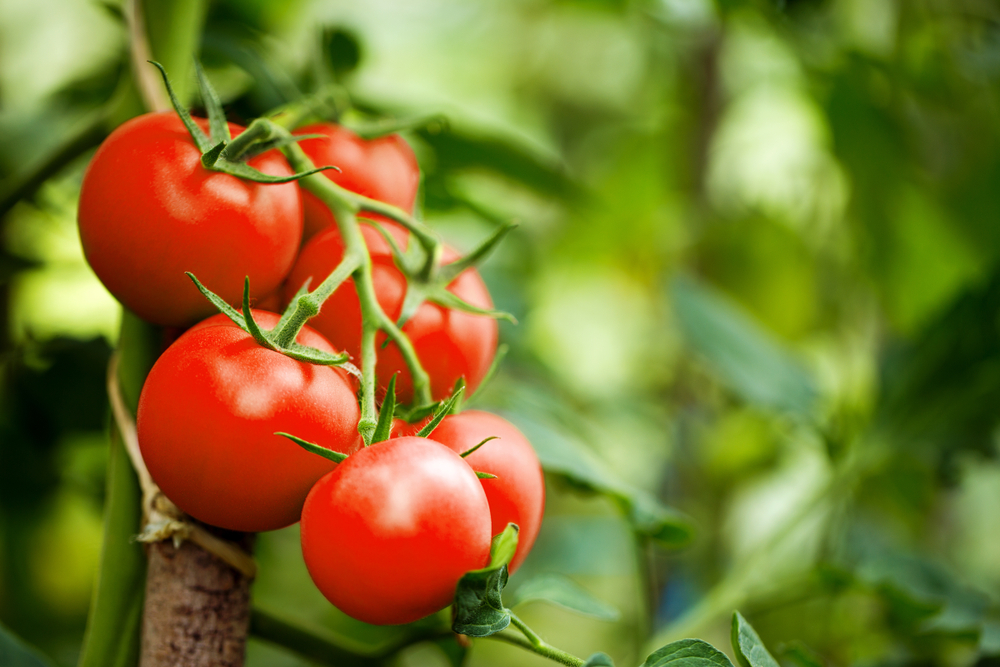
Tomatoes are loaded with lycopene, a carotenoid linked to regulating cell growth. Research has associated tomato consumption with a reduced risk of several cancers, though findings are mixed regarding prostate cancer. Cooking tomatoes with olive oil can enhance lycopene absorption.
Exercise regularly

Regular physical activity — both cardio and strength training — is proven to lower the risk of several cancers. Even light activity, such as walking or household chores, can contribute to protection.
Also read: Harvard researcher reveals: Three simple daily habits can protect your brain from Alzheimer’s
Protect your skin

Too much UV exposure is a major driver of skin cancer. Using sunscreen and seeking shade are simple yet effective steps to prevent long-term skin damage and reduce cancer risk.
Limit alcohol and avoid smoking

Both alcohol and tobacco are well-documented risk factors for cancer. Cutting back or avoiding them altogether significantly decreases risk and supports overall health.
Prioritize fiber and balanced nutrition
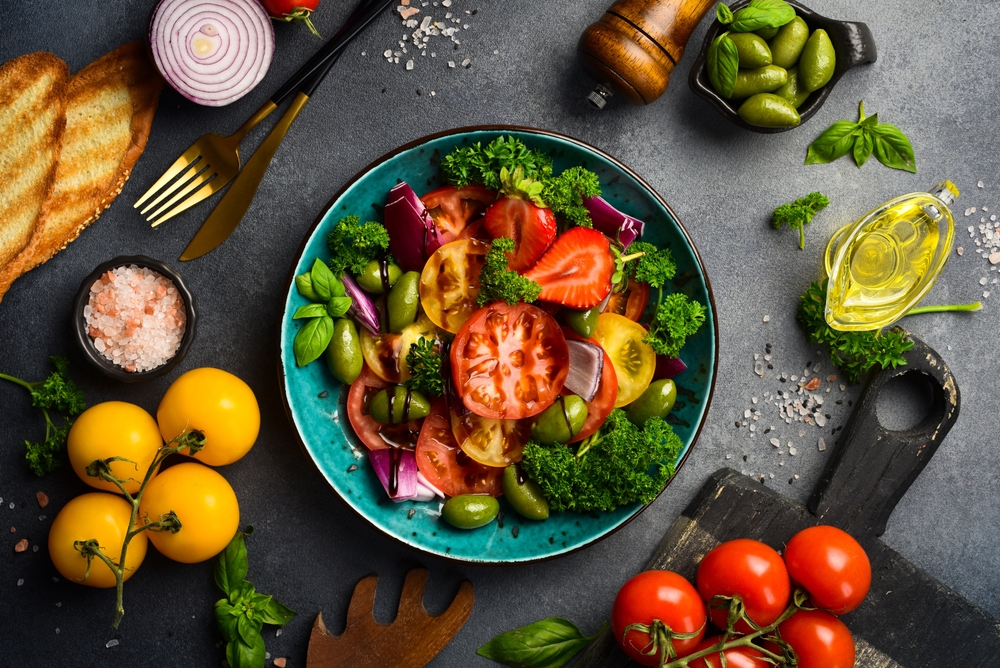
A diet centered on plant-based foods — fruits, vegetables, whole grains, nuts, and seeds — provides antioxidants, fiber, and essential nutrients. Adequate fiber intake is consistently linked to reduced cancer risk.
Keep up with screenings

Regular cancer screenings can detect early changes before they become dangerous. Discuss with your doctor which screenings are right for you based on your age, health, and family history.
Also read: New study reveals: Heatwaves can speed up your ageing process
Artiklen er baseret på informationer fra EatingWell
Also read: Optimism Could Extend Your Life by 15% – Here’s How to Train Your Brain
This article is made and published by Mie Hermansen, who may have used AI in the preparation.