
Fruit is an essential part of a healthy diet, full of vitamins, minerals, and antioxidants. But not all fruits are equally beneficial when it comes to sugar. Some varieties hide surprising amounts of fructose, which can act like a sugar bomb for your body.
Papaya
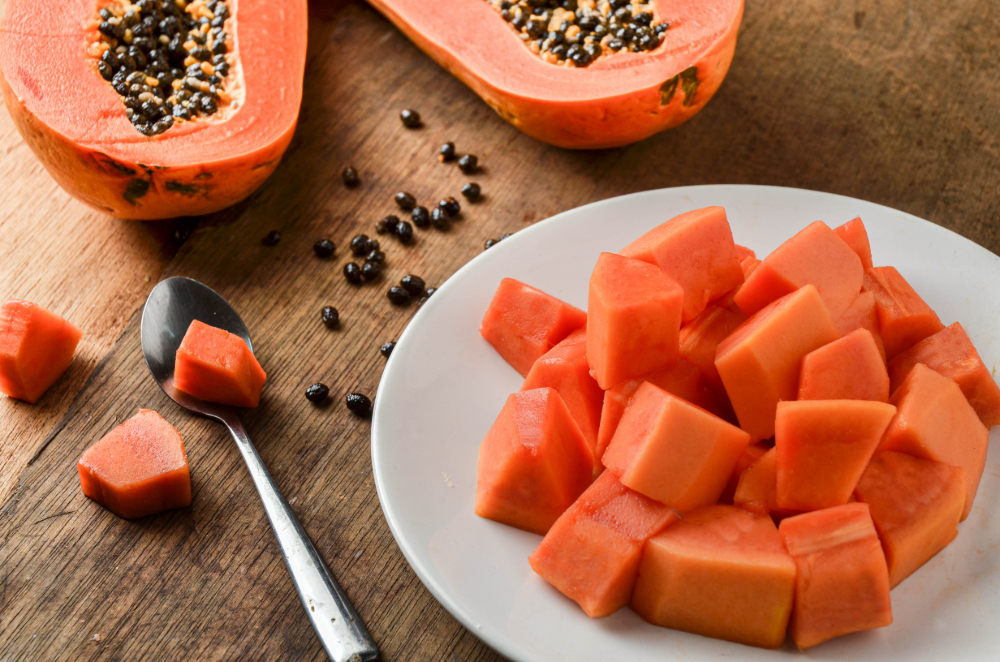
This tropical fruit is at the very top of the low-sugar list. Besides its mild sweetness, papaya contains the enzyme papain, which helps digest proteins and supports fat metabolism. It’s refreshing, versatile, and a smart choice for anyone watching their sugar intake.
Raspberries
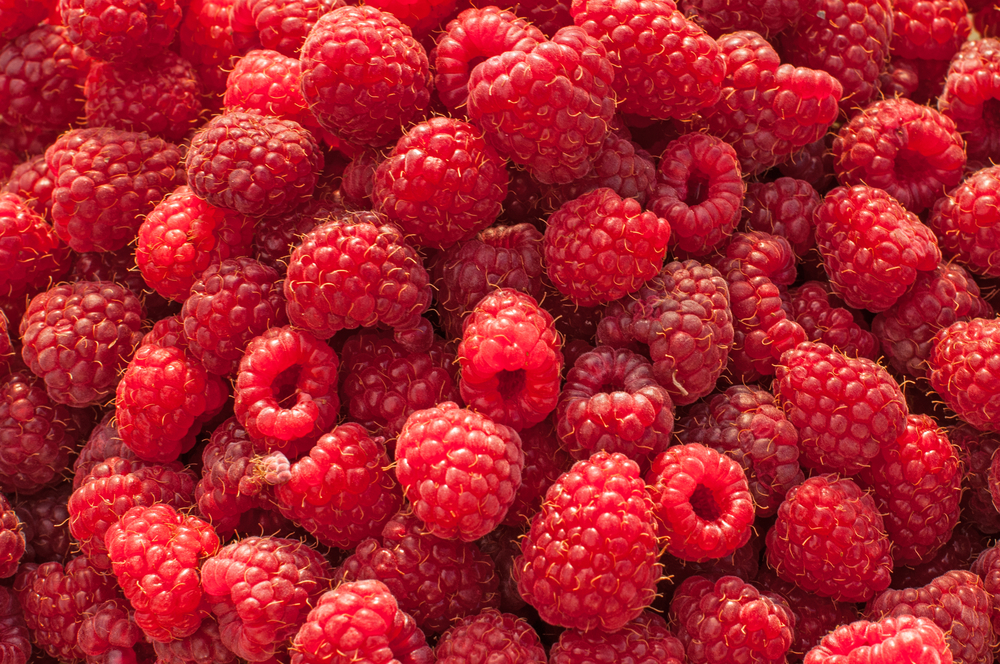
Tiny yet powerful, raspberries pack a lot of benefits with minimal sugar. They’re loaded with vitamin C and plant compounds that help strengthen the immune system. The darker the berry, the richer it is in antioxidants.
Apricots
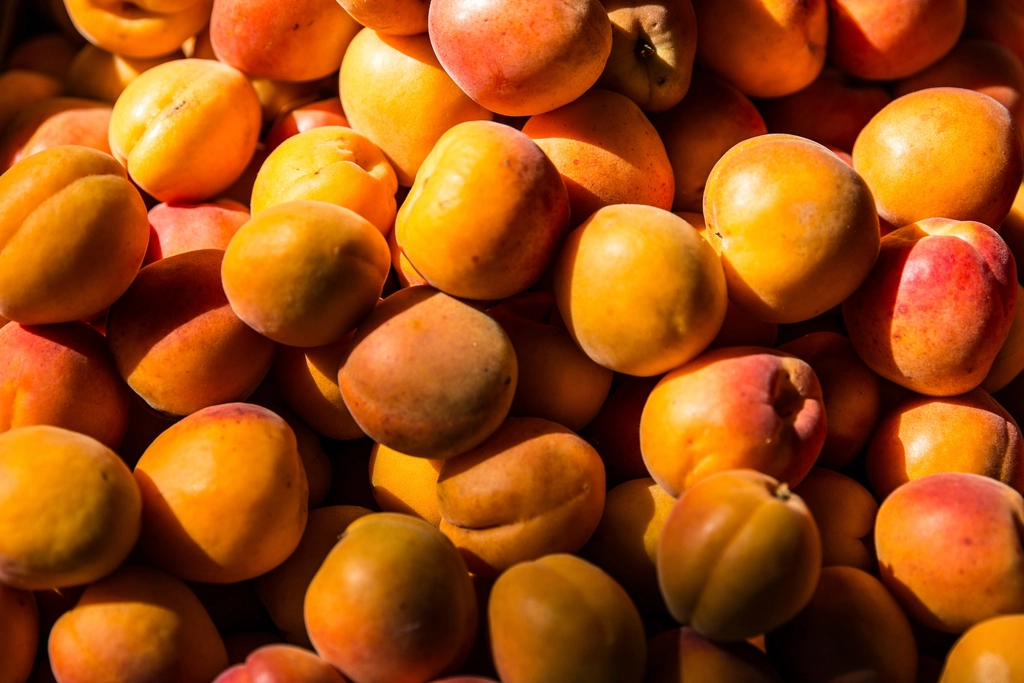
A light, juicy snack that delivers only a modest amount of sugar. Apricots are also rich in B and C vitamins as well as minerals like potassium and calcium. Their carotene content is transformed into vitamin A by the body, supporting eye health.
Also read: Sneezing in September? This overlooked allergy could be to blame
Watermelon
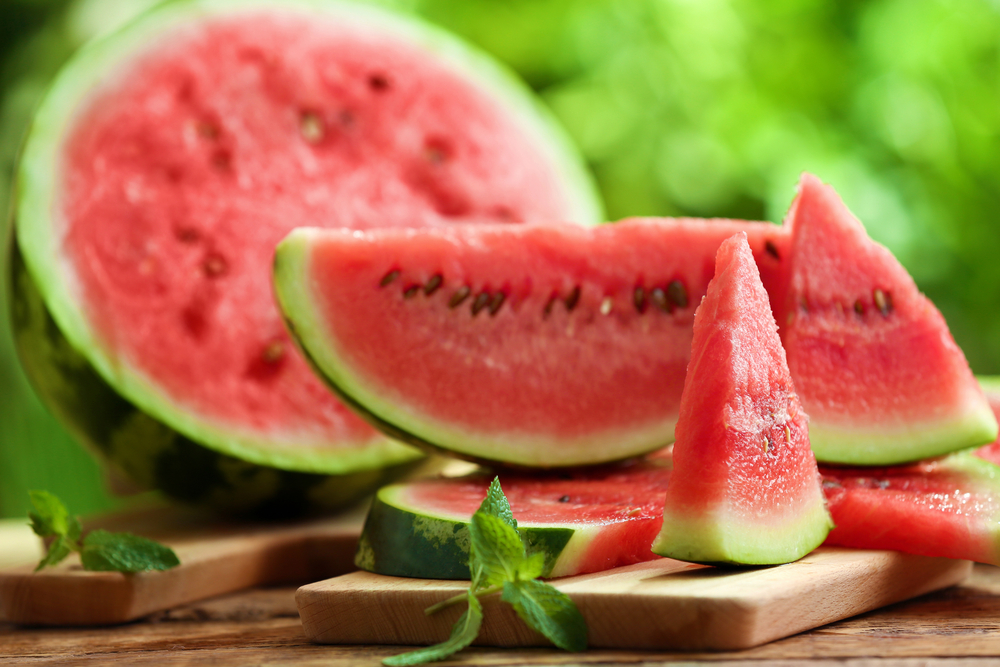
Known for its refreshing taste, watermelon is surprisingly low in sugar and calories. Its high water content makes it hydrating, while antioxidants like lycopene help reduce the risk of heart disease. Even the seeds are edible, offering protein and healthy fats.
Grapefruit
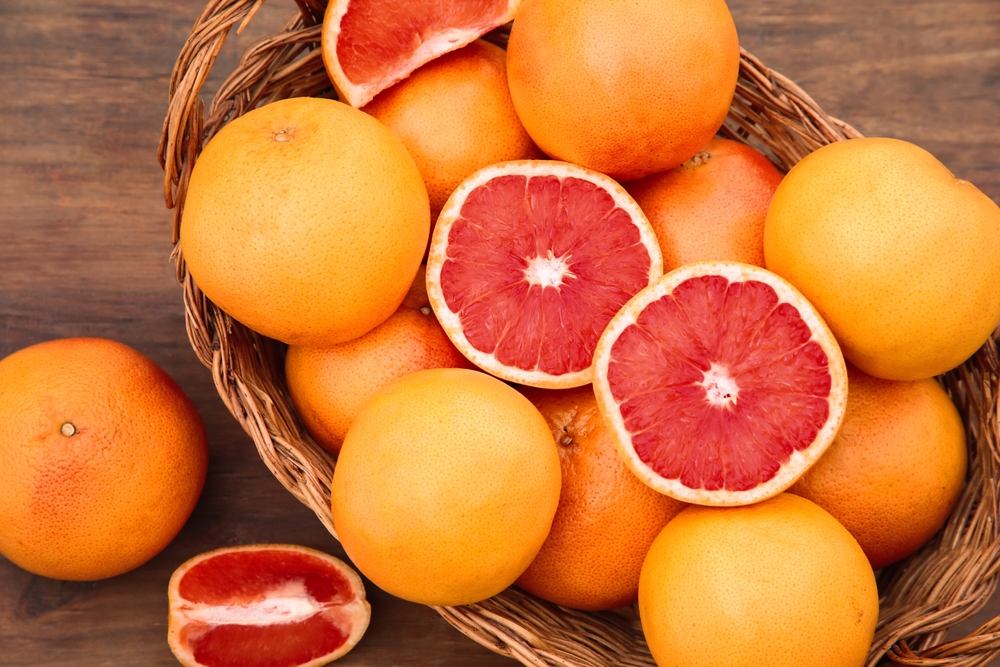
With its slightly bitter taste, grapefruit is a refreshing alternative to sweeter fruits. It contains naringin, a compound that may help regulate blood sugar levels and boost digestion, while also promoting fat burning.
Strawberries
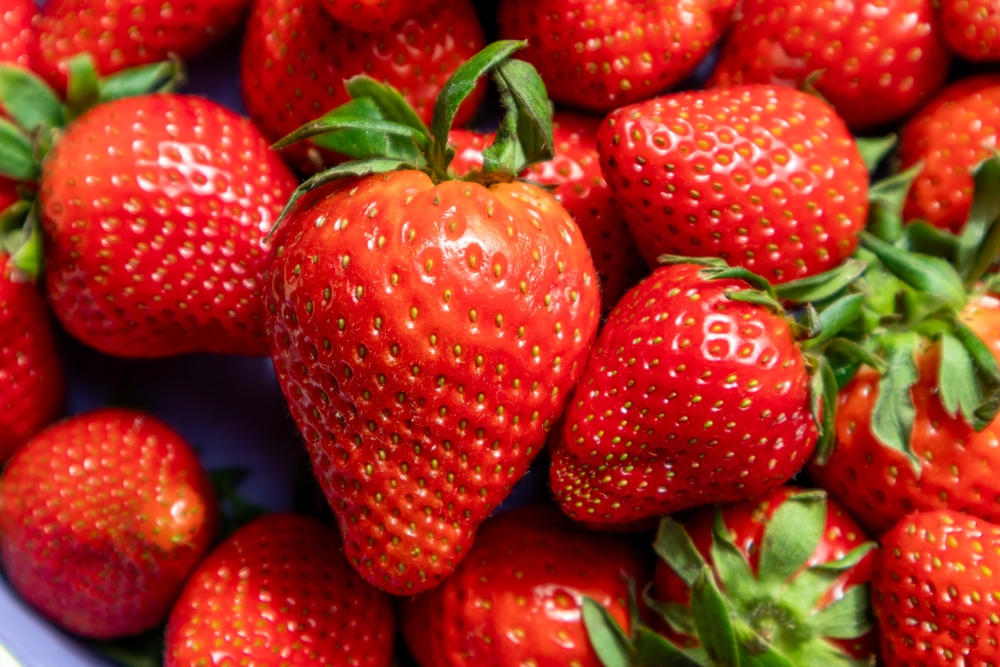
Bright, juicy, and perfect for summer, strawberries are naturally lower in sugar compared to their sweet taste. They’re rich in vitamin C and work wonderfully in smoothies, salads, or on their own as a snack.
Blueberries
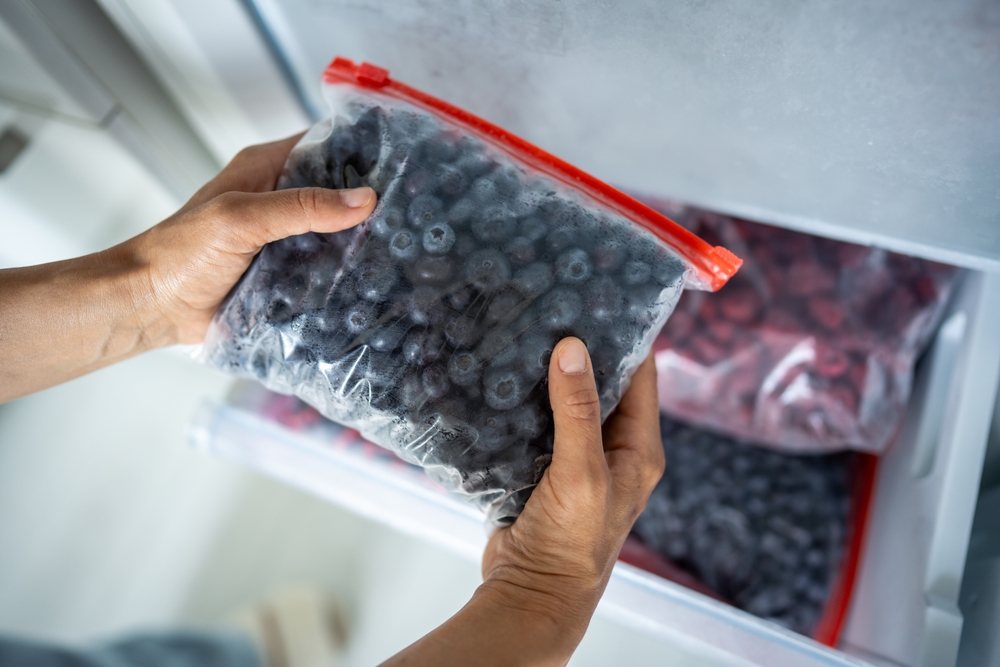
Blueberries may taste sweet, but their sugar content is moderate, balanced by a high dose of antioxidants. They’re widely praised for their role in protecting cells and supporting cognitive health.
Also read: Foods You Should Avoid Putting in Your Air Fryer
Blackcurrants
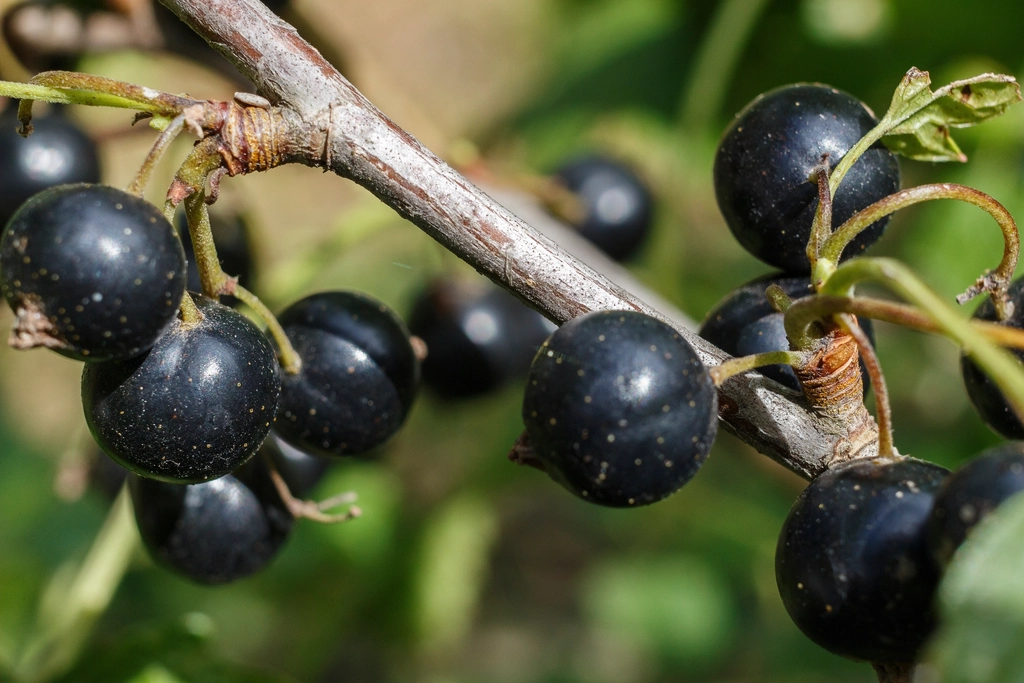
Packed with vitamin C and other valuable plant compounds, blackcurrants deliver a tangy flavor with less sugar than expected. They’re a great addition to jams, baked goods, or enjoyed fresh.
Peaches

Soft, juicy peaches satisfy sugar cravings without overloading the body. They’re a source of vitamins A and C, and their refreshing sweetness makes them a summer favorite.
Kiwi
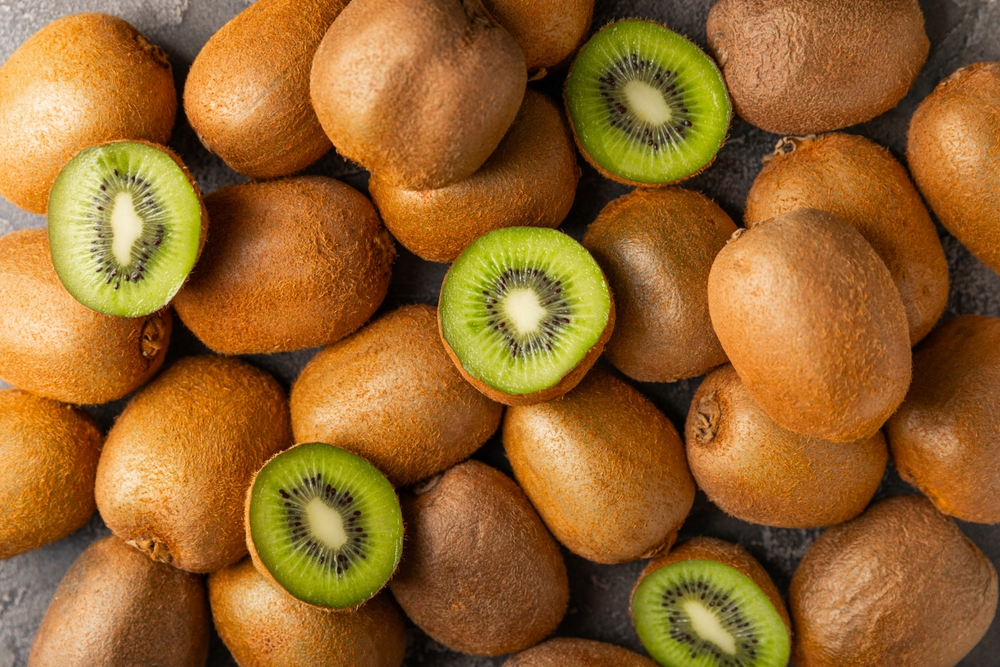
The small green fruit delivers a zesty taste and a surprisingly low sugar profile. Kiwis are high in fiber, support healthy digestion, and provide a natural boost of vitamin C.
This article is based on information from Kiskegyed
Also read: 13 surprising factors that could raise your Alzheimer’s risk
Also read: When you eat breakfast may reveal how long you live
This article is made and published by Mie Hermansen, who may have used AI in the preparation.