
A large-scale study suggests that the timing of your first meal of the day is closely tied to health and even life expectancy. Here are some key insights from the research that could change how we think about breakfast routines.
Later breakfast linked to higher risk

Researchers found that people who delayed breakfast faced a greater risk of early death compared with those who ate earlier.
Tied to depression
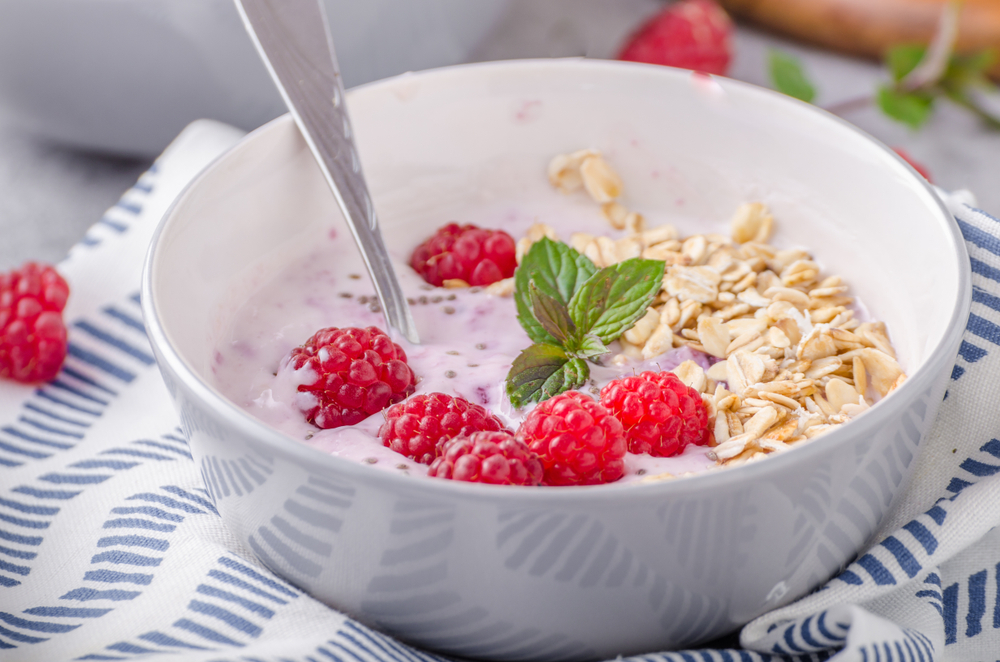
Participants who tended to eat their first meal later in the day showed higher rates of depressive symptoms.
Fatigue more common

Late breakfast eaters were also more likely to struggle with ongoing fatigue and lower daily energy levels.
Also read: Stress-Relieving Drinks You Already Have at Home
Sleep problems connected
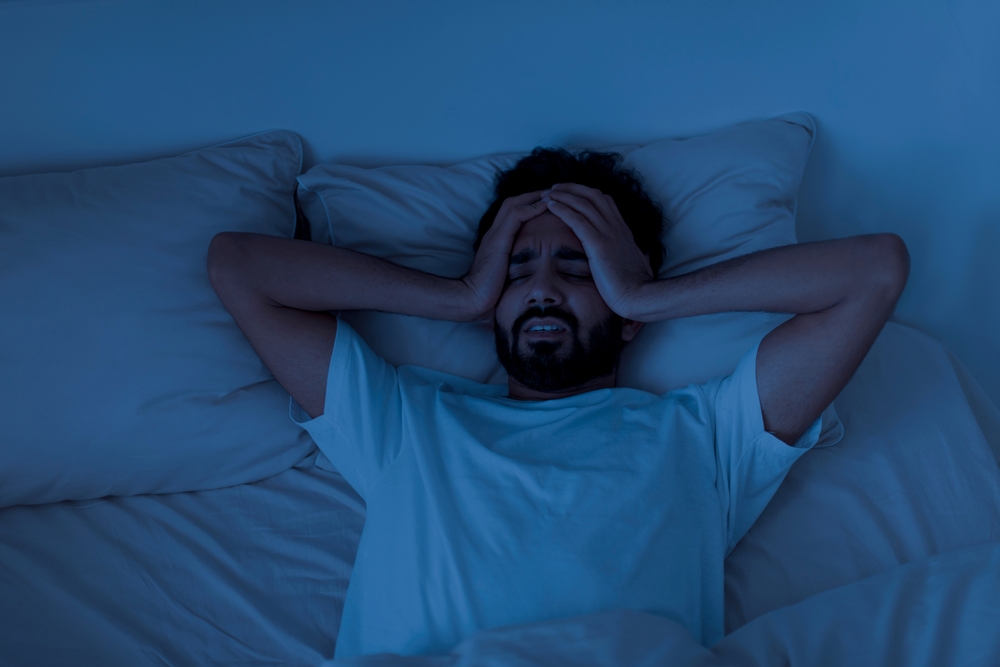
Delaying meals was associated with sleep disturbances, further compounding health risks.
Physical challenges matter
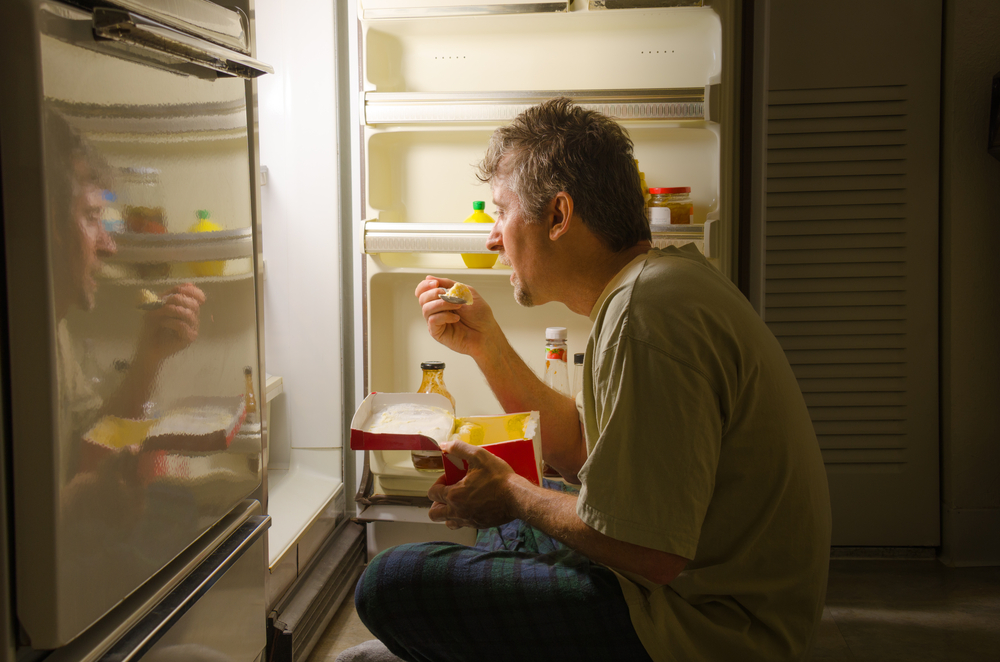
Some older adults delayed meals simply because of difficulties with food preparation, skewing their eating patterns.
Oral health plays a role
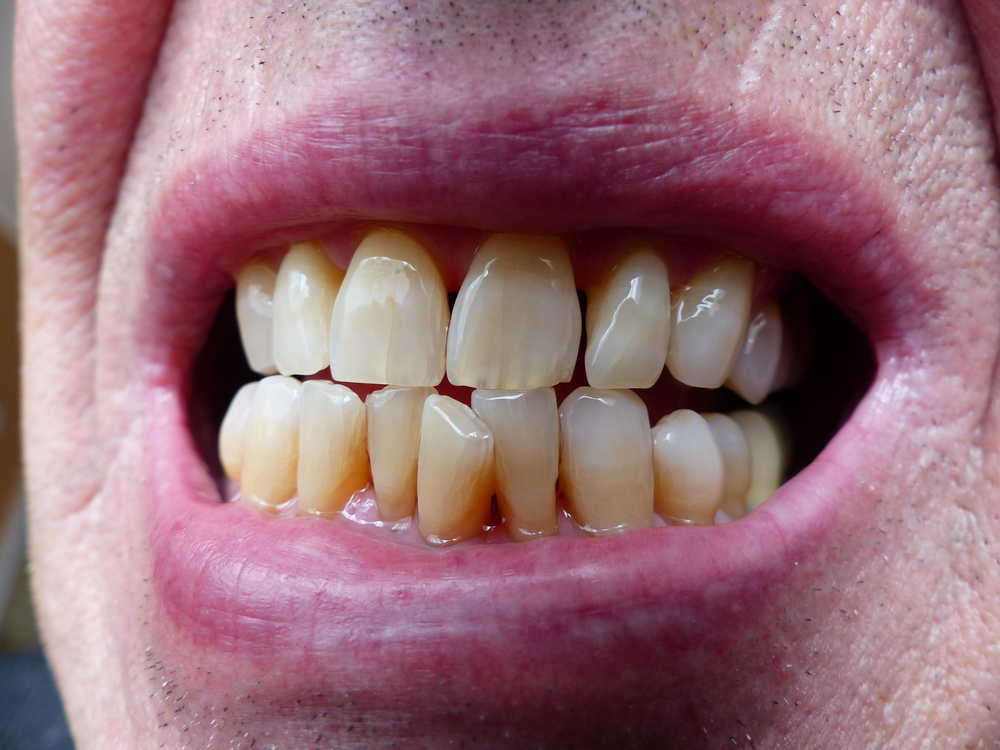
Dental and oral health issues were also linked to later breakfasts, indirectly influencing overall well-being and longevity.
Dinner shifts later too

It wasn’t just breakfast: with age, many participants shifted all meals to later in the day.
Also read: These Science-Backed Benefits Make You Want to Eat Apples Every Day
Narrower eating window with age
The daily timeframe for eating shrank as participants got older, though not always in ways that promoted better health.
Night owls at greater risk
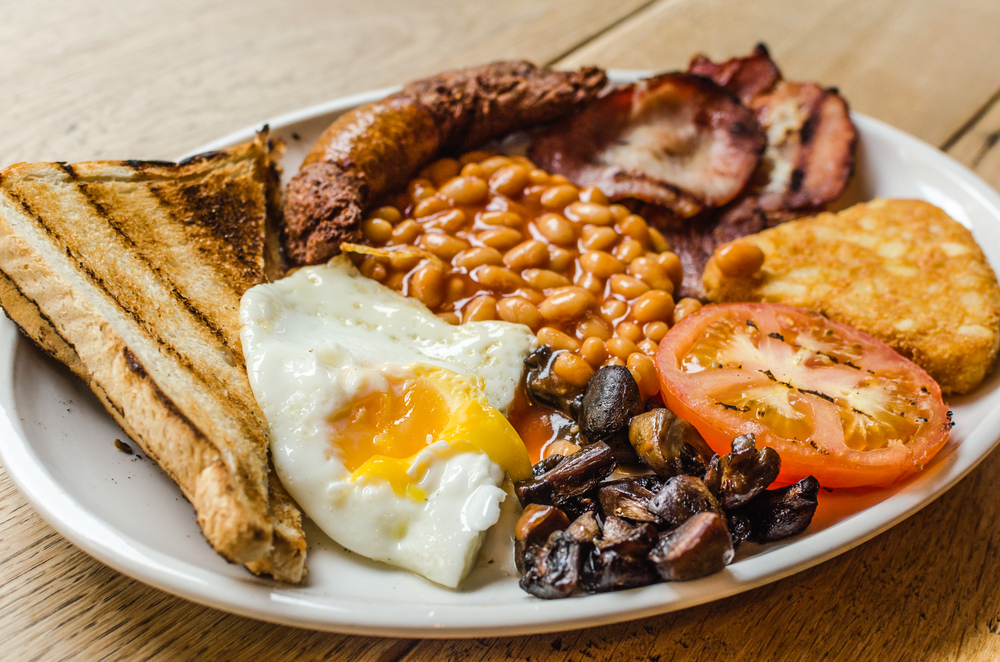
Genetic traits tied to being a “night owl” often led to later eating habits, which correlated with poorer outcomes.
Implications for diet trends
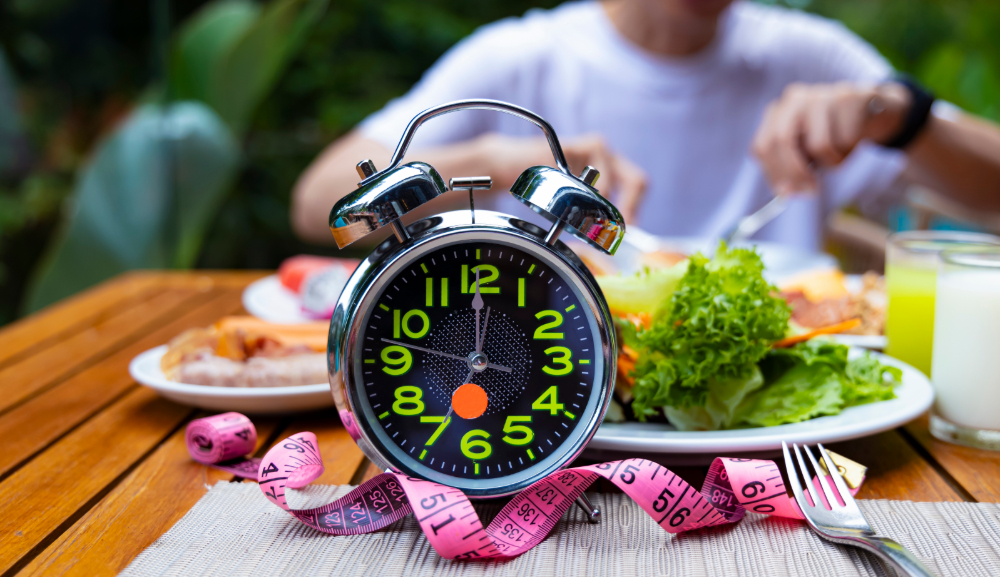
These findings raise questions about popular approaches like intermittent fasting, which may affect older adults differently than younger people.
Article based on information from Science Daily
Also read: Can a 3-minute test really spot Alzheimer’s early? Here’s what researchers are finding out
Also read: Say Goodbye to Screen Time - These Hobbies Will Calm Your Mind
This article is made and published by Mie Hermansen, who may have used AI in the preparation.