
In today’s fast-paced, hyper-digital world, more and more people are turning to slow, tactile pastimes to find calm.
These so-called “grandma hobbies” aren’t just charming, they’re powerful tools for improving mental health and reducing stress, according to studies.
Knitting and crocheting
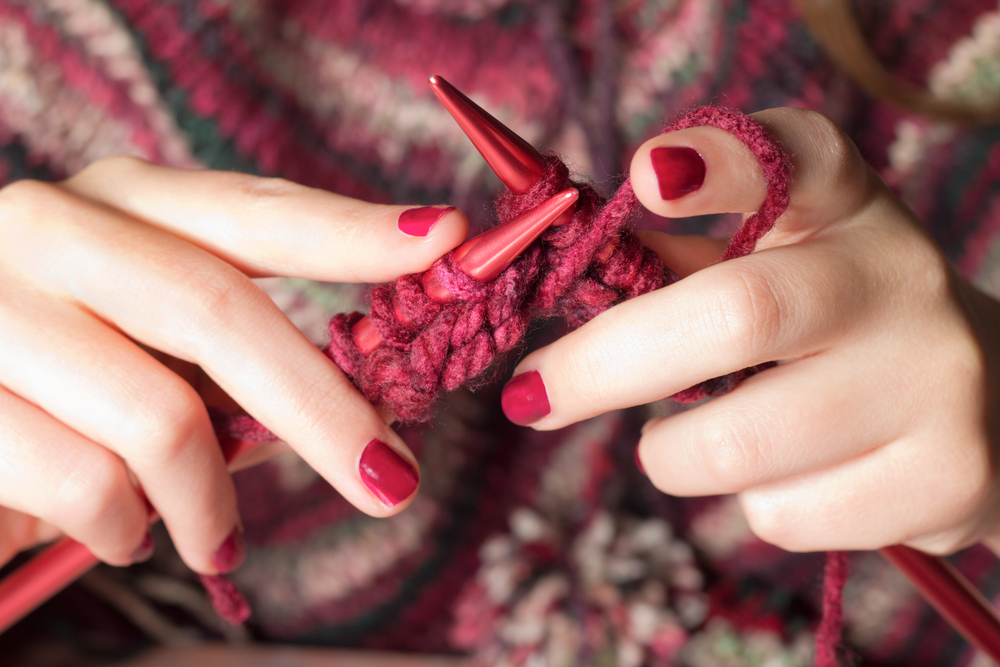
Knitting and crocheting offer a soothing rhythm that helps quiet anxious thoughts.
The repetitive motion, combined with the satisfaction of creating something by hand, encourages mindfulness and slows down the nervous system.
Also read: Top 10 foods rich in lithium – and why this overlooked mineral matters for your brain
You don’t have to be perfect, just start with a simple pattern and enjoy the process.
Embroidery and cross-stitch
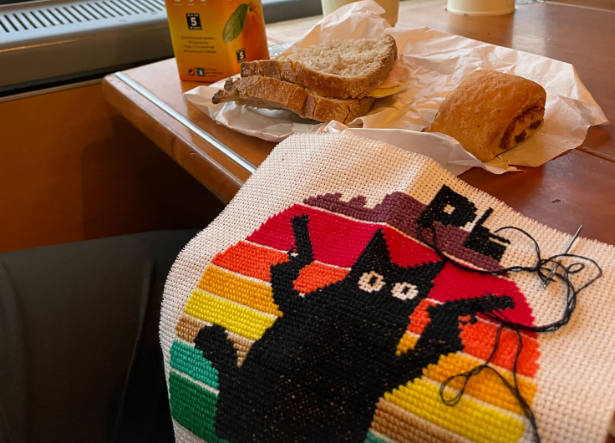
With a needle and thread in hand, it's almost impossible to multitask or doomscroll.
Embroidery forces you to be fully present, helping to improve focus and patience.
These peaceful, low-pressure crafts can be both meditative and creative, with the added bonus of beautiful results.
Also read: Still Tired After 8 Hours of Sleep? Here’s What You’re Missing
Pottery and ceramics
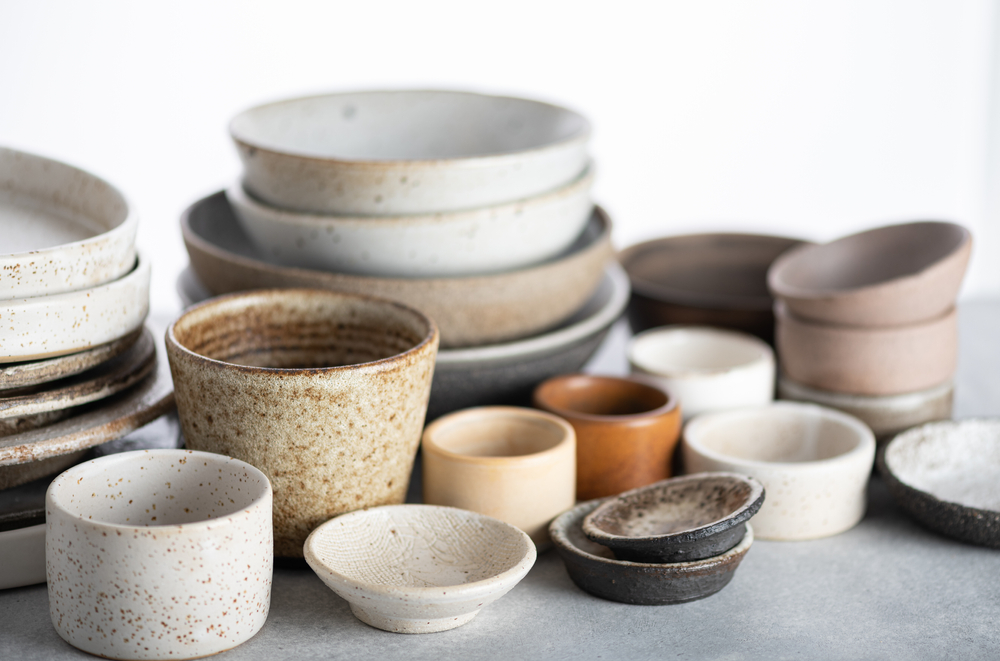
There’s something grounding about shaping clay with your hands.
Whether you’re throwing on a wheel or hand-building, pottery connects you to the physical world and provides a deeply satisfying sensory experience.
Painting and drawing

You don’t need to be an artist to pick up a paintbrush or sketchpad. Even 10 minutes of drawing a day has been shown to reduce stress and boost mood.
Immersing yourself in colors and shapes helps you enter a state of “flow,” where time fades and calm takes over.
Also read: This Is How You Finally Stop Biting Your Nails
Gardening and herb growing
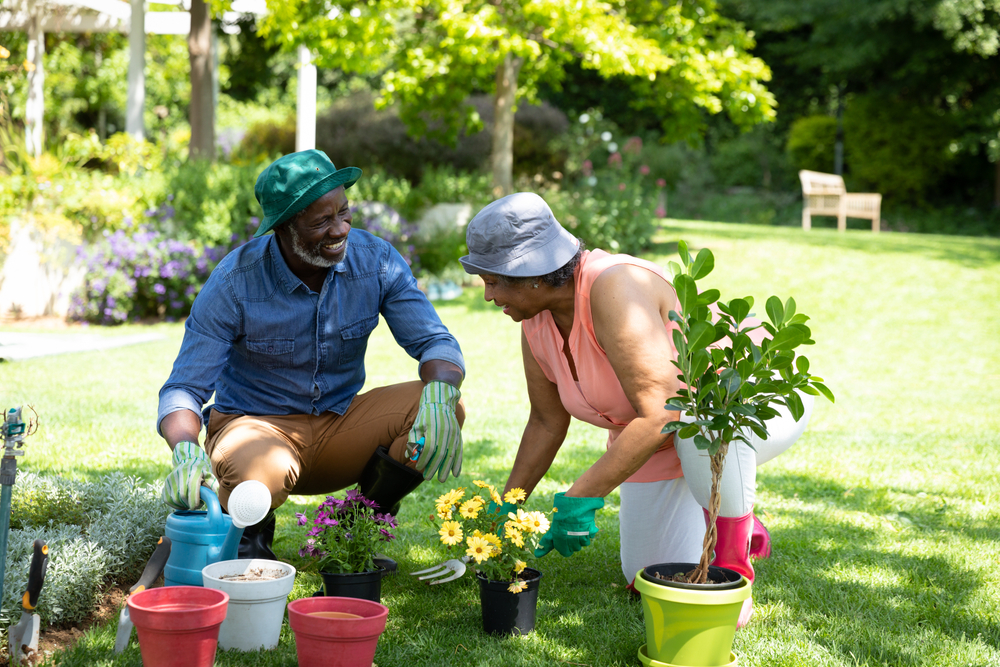
Tending to plants, even on a windowsill or balcony, provides a strong sense of purpose and connection to nature.
Gardening engages all the senses and reminds you to slow down and observe small changes, a powerful antidote to daily stress.
Baking from scratch

Few things are as comforting as the smell of freshly baked bread or cookies.
Baking encourages presence, attention to detail, and creativity.
Also read: Walking too far with arthritis? Here’s how to know when to stop
It’s a hands-on, sensory-rich experience that ends in a warm, delicious reward, and often fills the home with a sense of coziness and joy.
Letter writing
Putting pen to paper offers a calm, intentional way to connect with others. In contrast to instant messaging, letter writing is slow, meaningful, and personal.
It’s a beautiful ritual that encourages reflection and creates lasting emotional impact for both writer and recipient.
Puzzles and board games

Solving puzzles or playing board games gives your brain a gentle workout without overstimulation.
Also read: Here’s what could change in your body if you use creatine every day
These activities foster concentration, patience, and often a sense of nostalgia. Whether solo or social, they offer a screen-free escape that’s mentally rewarding.
Birdwatching

Watching birds may seem like a simple pastime, but it can be surprisingly therapeutic. It encourages quiet observation, patience, and connection with nature.
Whether you're in a park or by a window, birdwatching brings you into the present moment, and out of your head.
Quilting and patchwork

Stitching pieces of fabric into a quilt is slow, satisfying work. It teaches patience and lets you see progress in a tangible way.
Quilting isn’t about perfection, it’s about the joy of making, the stories in the fabric, and the peaceful act of sewing something meaningful by hand.
Artiklen er baseret på informationer fra Verywellmind.com.
This article is made and published by Ida-Marie Palm Varbæk, who may have used AI in the preparation.