
Alzheimer’s disease affects millions worldwide, and doctors warn that diagnosis often comes decades too late. Now, scientists are experimenting with a noninvasive test that takes just three minutes and could give patients a crucial head start.
A new approach to memory testing
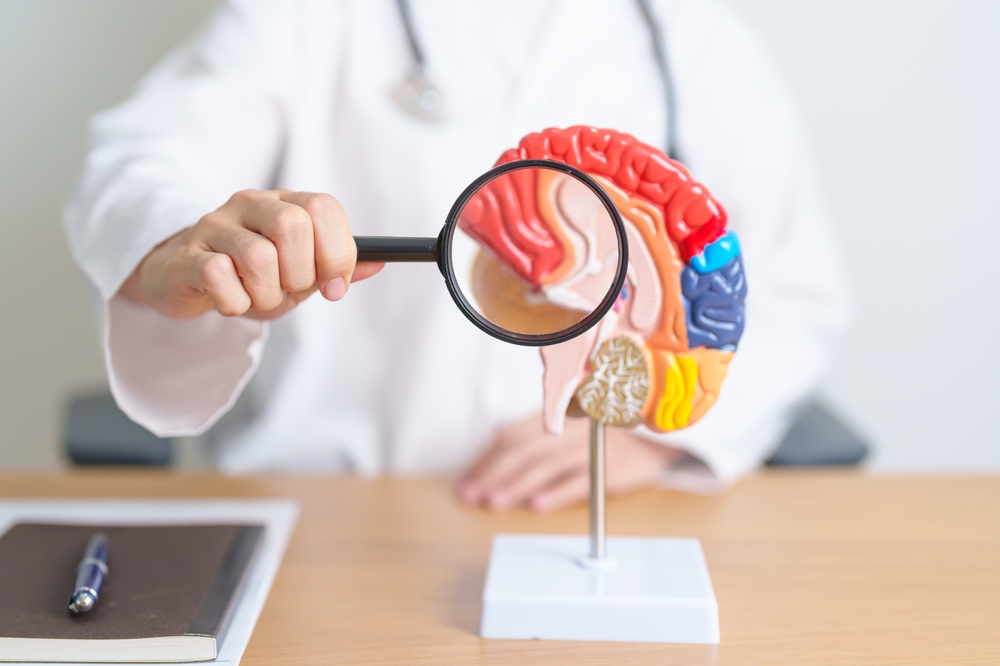
The “Fastball EEG” records brainwaves while a person watches images flash on a screen, detecting how well the brain recognizes repeated objects.
Completely passive test
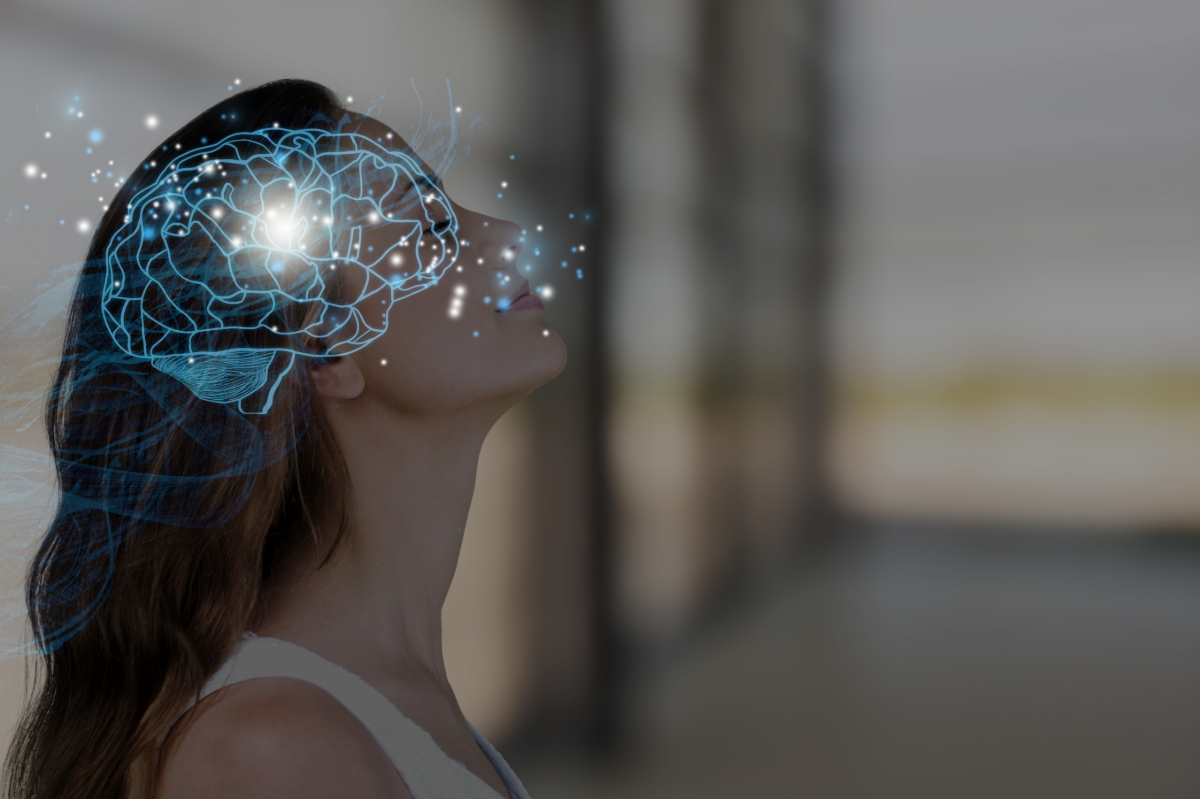
Unlike traditional memory exams, Fastball requires no answers or tasks. Participants simply watch the images, making it suitable across cultures, languages, and education levels.
Mild cognitive impairment focus
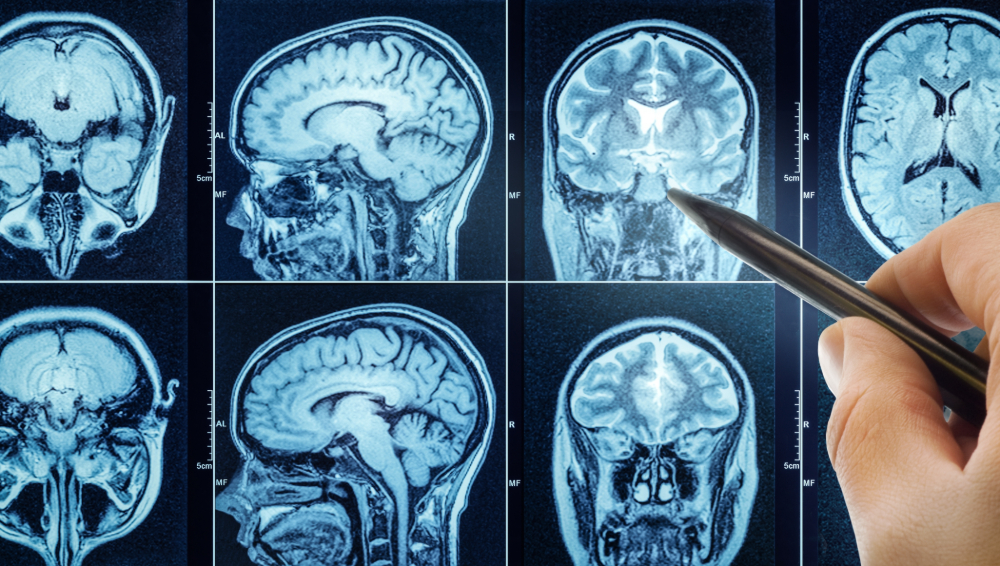
Researchers tested 53 people with mild cognitive impairment (MCI) and 54 healthy adults, finding that Fastball reliably identified those with memory problems.
Also read: Say Goodbye to Screen Time - These Hobbies Will Calm Your Mind
Connection to Alzheimer’s risk
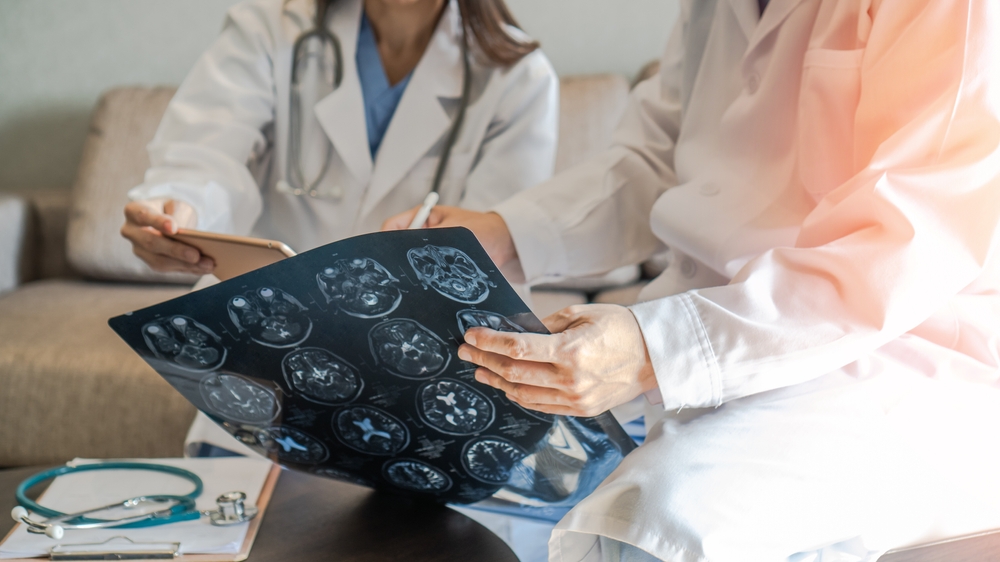
People with MCI and memory difficulties are more likely to progress to Alzheimer’s disease, suggesting Fastball could detect the condition at its earliest stage.
No hospital needed
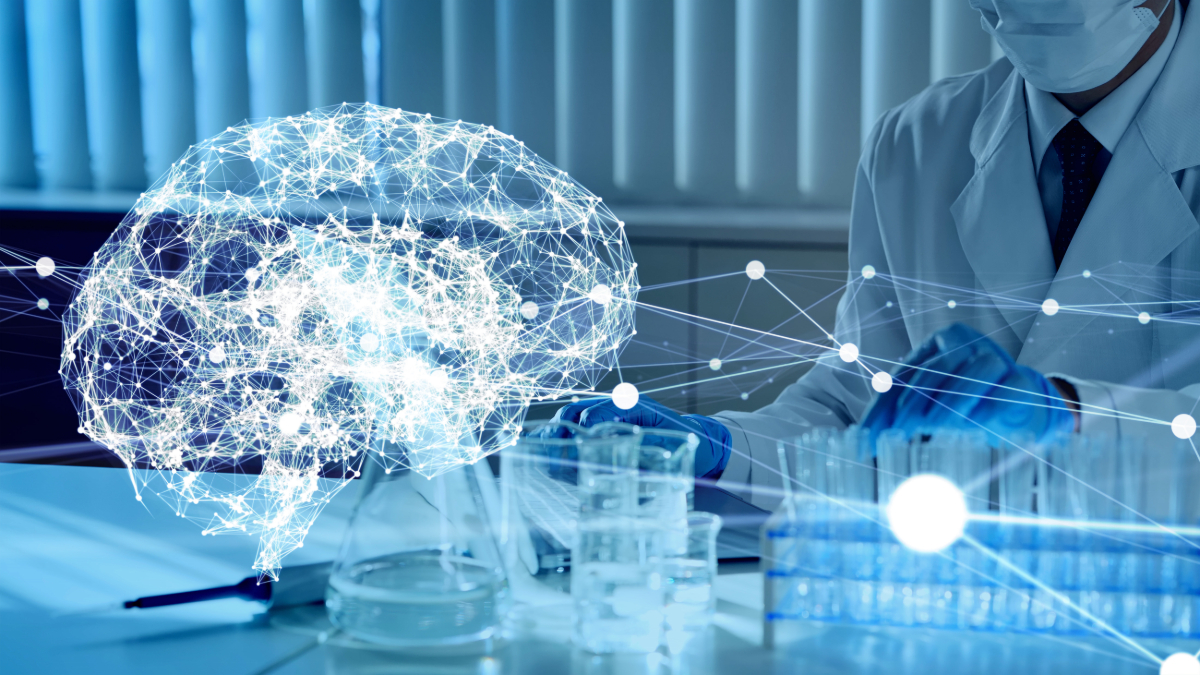
The test can be performed outside of clinics, even at home, reducing stress and making it easier for patients who struggle with hospital visits.
Large-scale trials underway
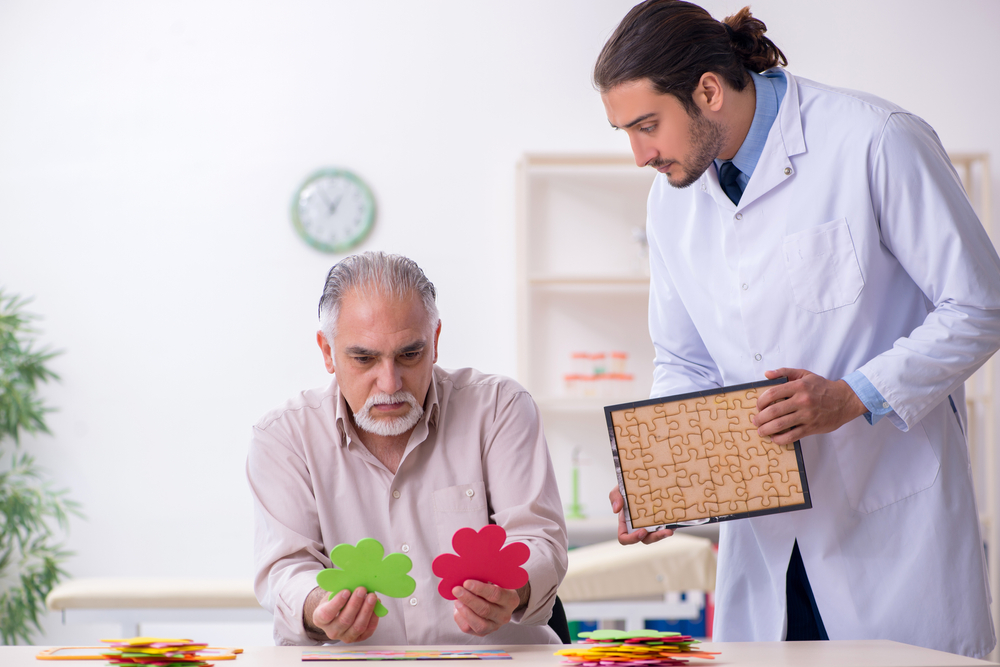
Two four-year studies are now testing Fastball with over 2,000 participants in the U.K., aiming to validate its accuracy and reliability by 2027.
Potential advantages over current tools
Compared to expensive PET scans or invasive spinal taps, Fastball offers a quick, affordable, and accessible way to screen for early signs of dementia.
Also read: Top 10 foods rich in lithium – and why this overlooked mineral matters for your brain
Promising but not conclusive
Experts stress the need for long-term studies to confirm whether Fastball can predict who will actually go on to develop Alzheimer’s.
Calls for combining with biomarkers
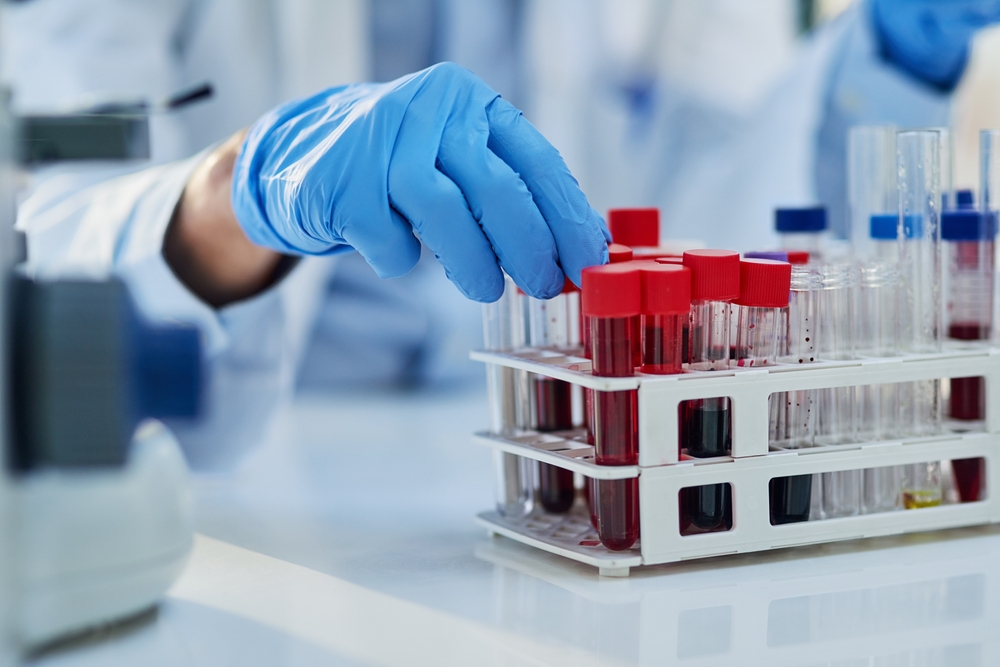
Some researchers believe pairing Fastball with blood tests or imaging could make diagnosis even more precise.
Concerns about false positives
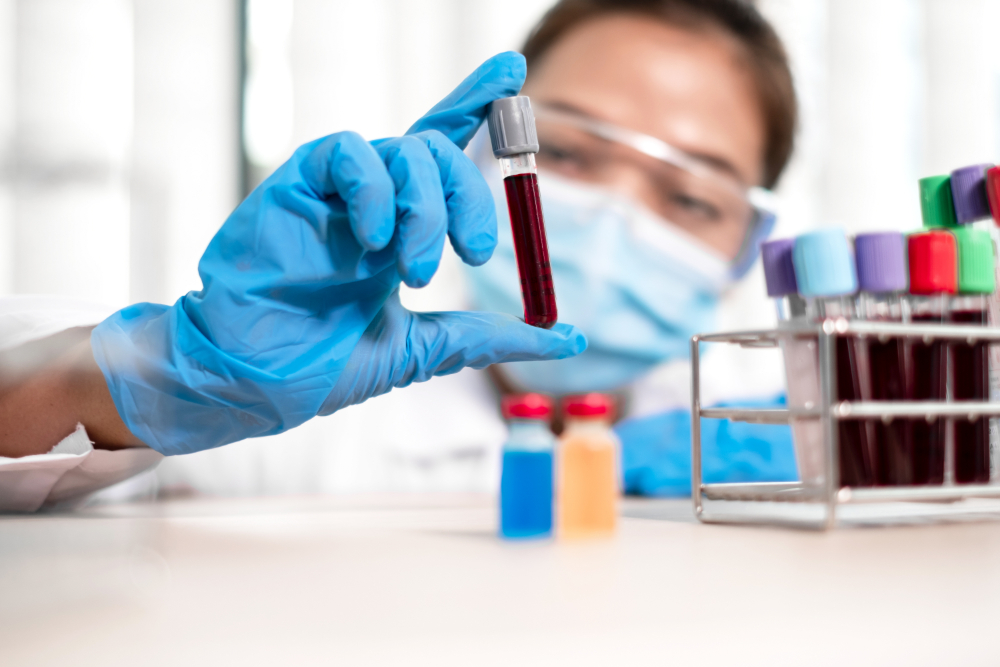
Not all neurologists are convinced, warning that relying solely on brainwave signals may risk misdiagnosis and should complement—not replace—clinical evaluations.
Artiklen er baseret på informationer fra Medical News Today
Also read: Still Tired After 8 Hours of Sleep? Here’s What You’re Missing
Also read: This Is How You Finally Stop Biting Your Nails
This article is made and published by Mie Hermansen, who may have used AI in the preparation.