
Vitamin D is vital for strong bones, immunity, and overall well-being, yet many people don’t get enough through their diet alone. The good news? There are plenty of natural sources that can help you meet your needs—no pills required.
Salmon and other fatty fish
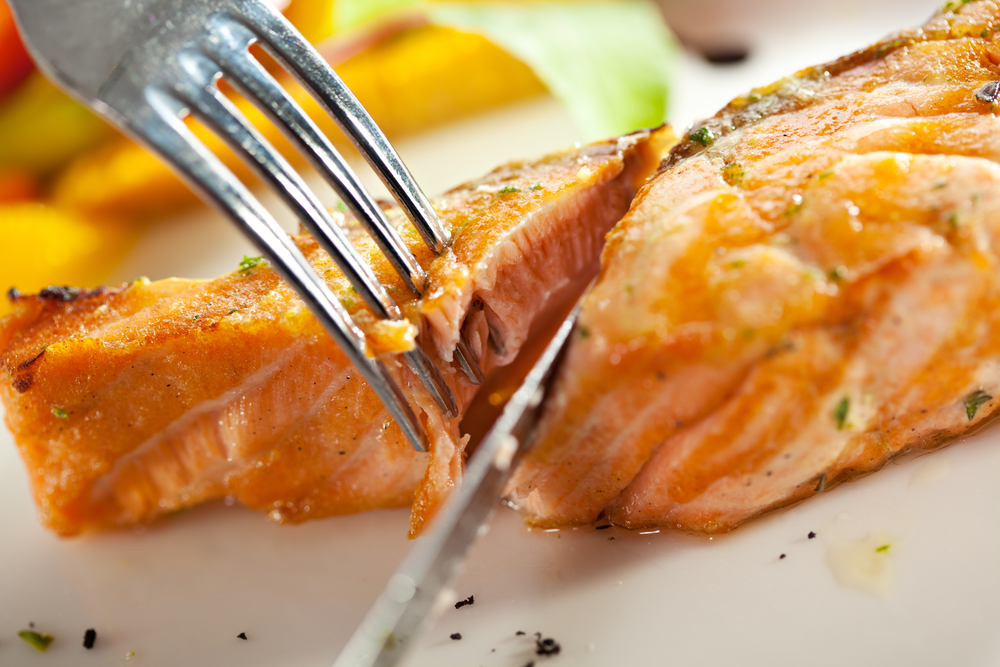
Fatty fish like salmon, mackerel, and herring are among the richest natural sources of vitamin D. Even a small serving can cover most of your daily needs.
UV-exposed mushrooms
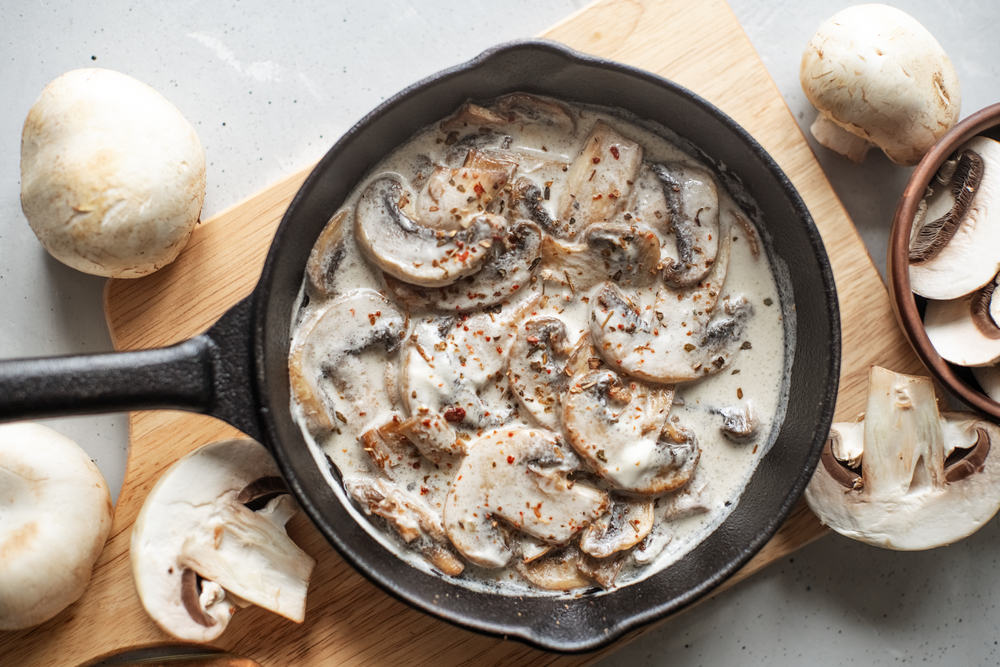
Certain mushrooms that have been exposed to UV light contain surprisingly high amounts of vitamin D. They’re versatile and work well in everything from salads to pasta dishes.
A glass of milk
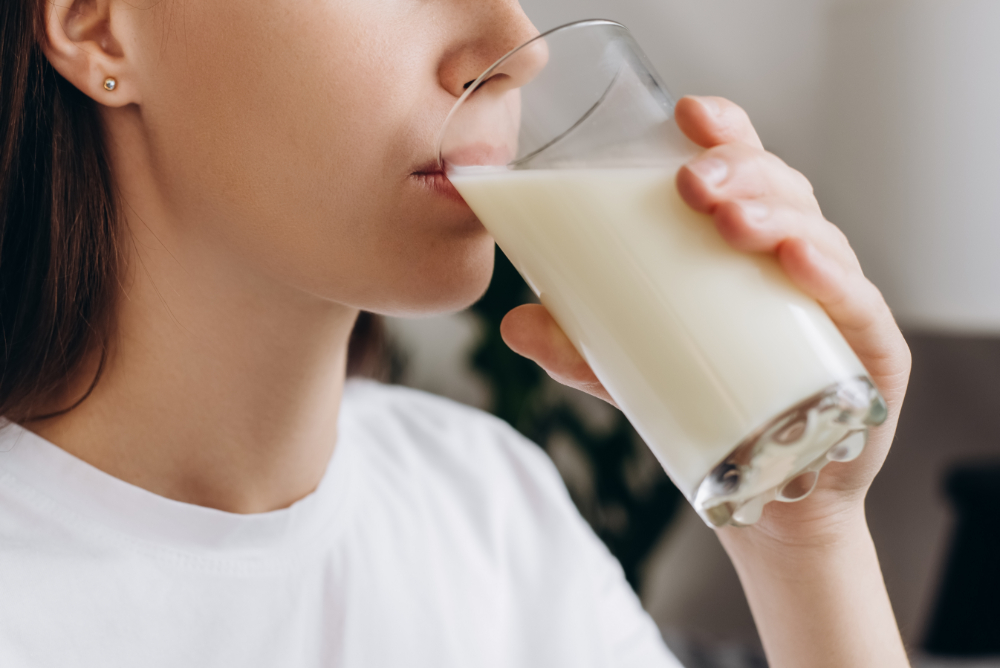
Most types of milk—whether whole, low-fat, or lactose-free—are fortified with vitamin D. One cup provides a solid portion of your daily intake.
Also read: New Research Reveals a Link Between Breakfast Timing and Your Health
Whole eggs
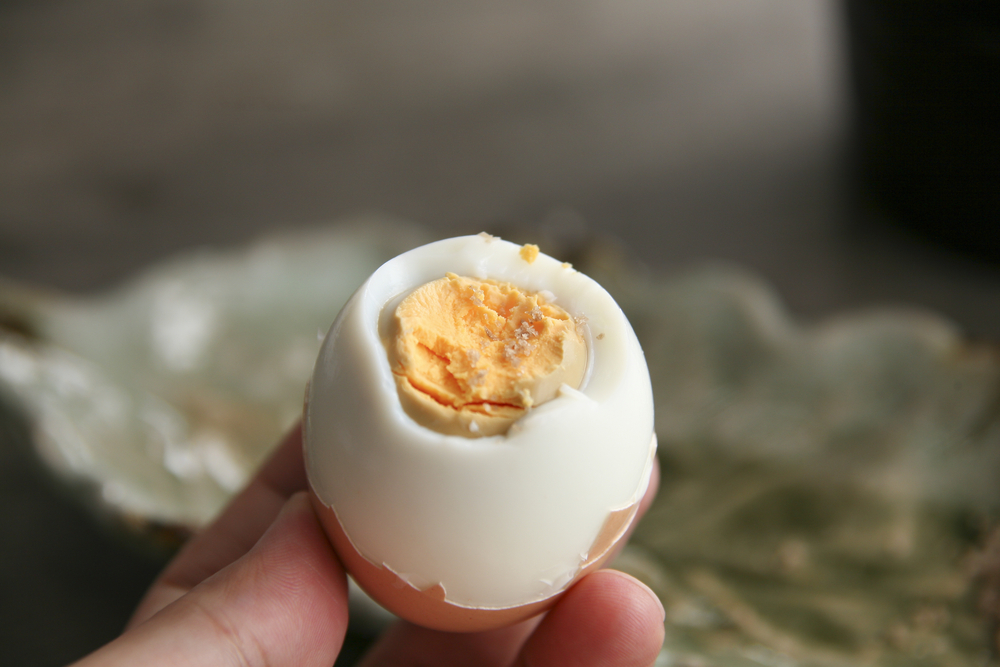
The yolk is where the vitamin D hides, and it comes along with protein, iron, and other nutrients. Pasture-raised eggs can contain even more vitamin D.
Fresh orange juice
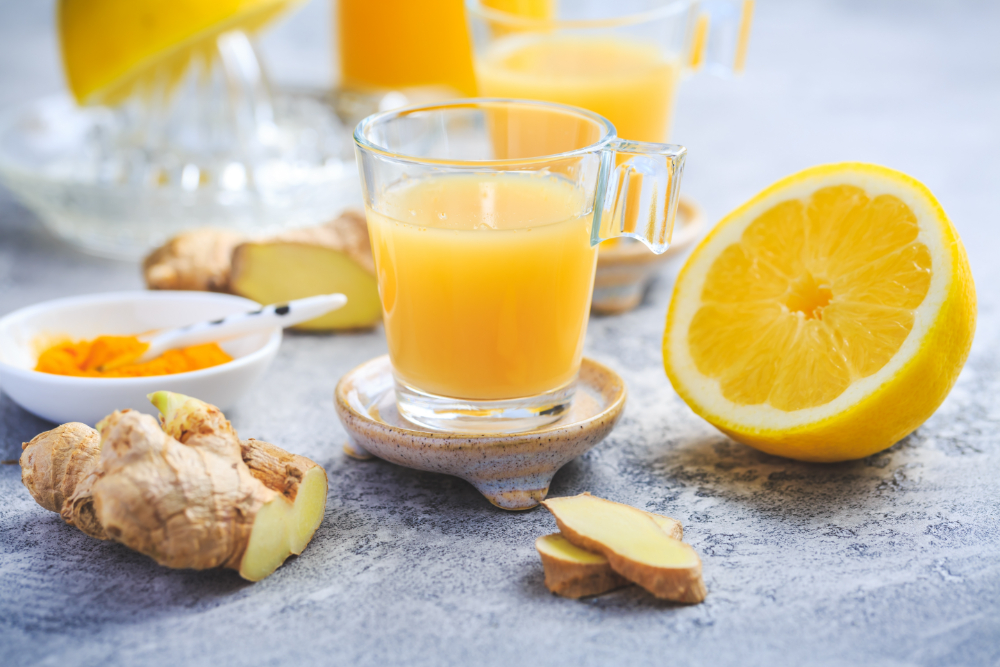
Some brands of orange juice are fortified with vitamin D. Alongside it, you’ll also get a healthy dose of vitamin C and calcium.
Time outdoors

When your skin is exposed to sunlight, your body produces vitamin D naturally. Just 10–20 minutes a couple of times per week can make a real difference—don’t forget sunscreen afterward.
Small canned fish
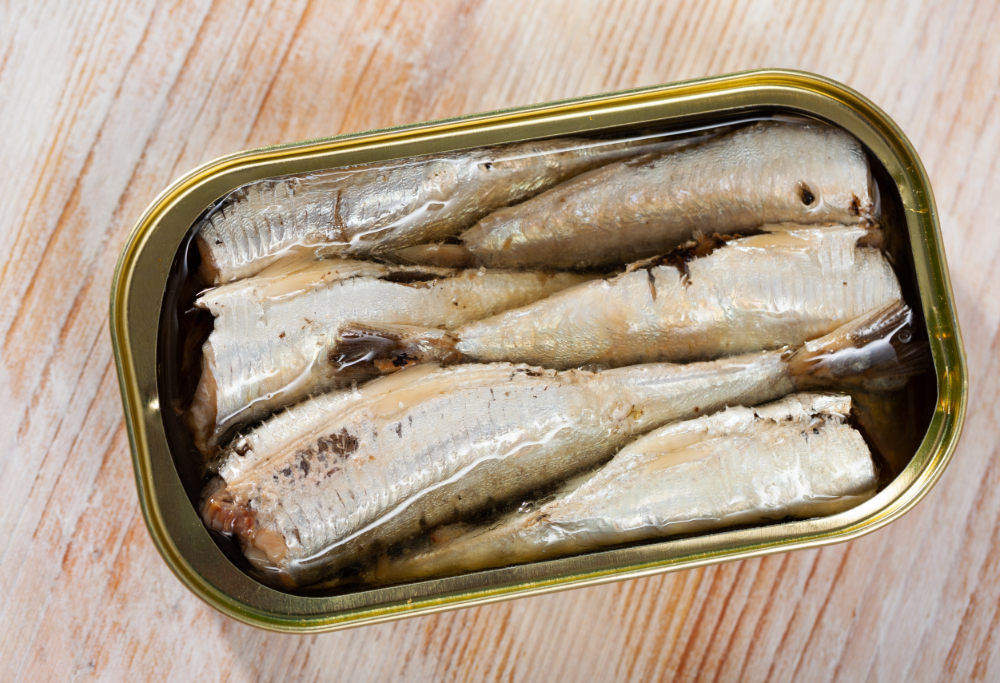
Sardines and anchovies are easy to toss into salads or on pizza. They deliver both vitamin D and heart-healthy omega-3 fatty acids.
Also read: She Started Working Out at 64 - Today She’s Breaking World Records
Fortified plant-based drinks
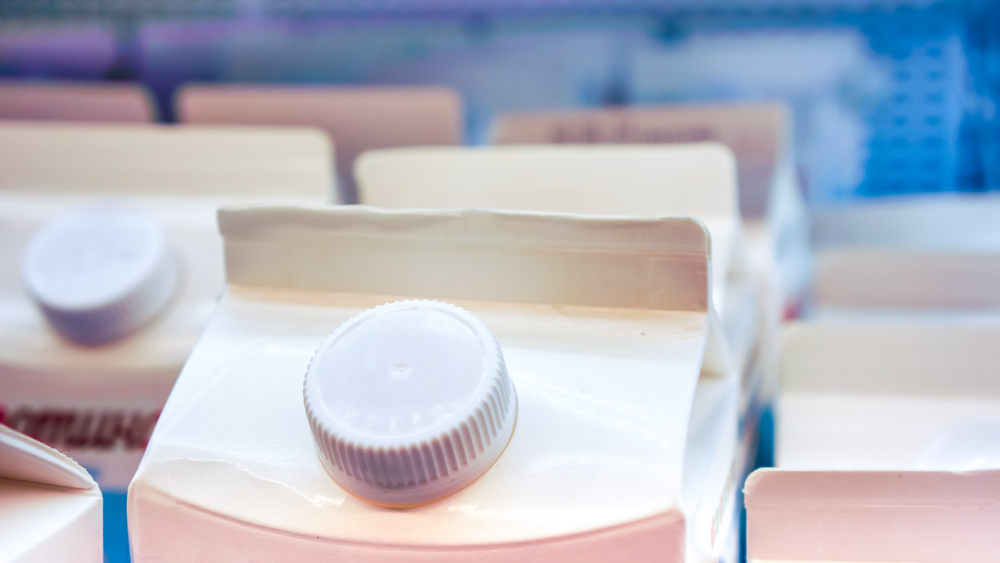
Soy, oat, and almond milk are often available in fortified versions, making them a great option for those who don’t drink dairy.
Cheese
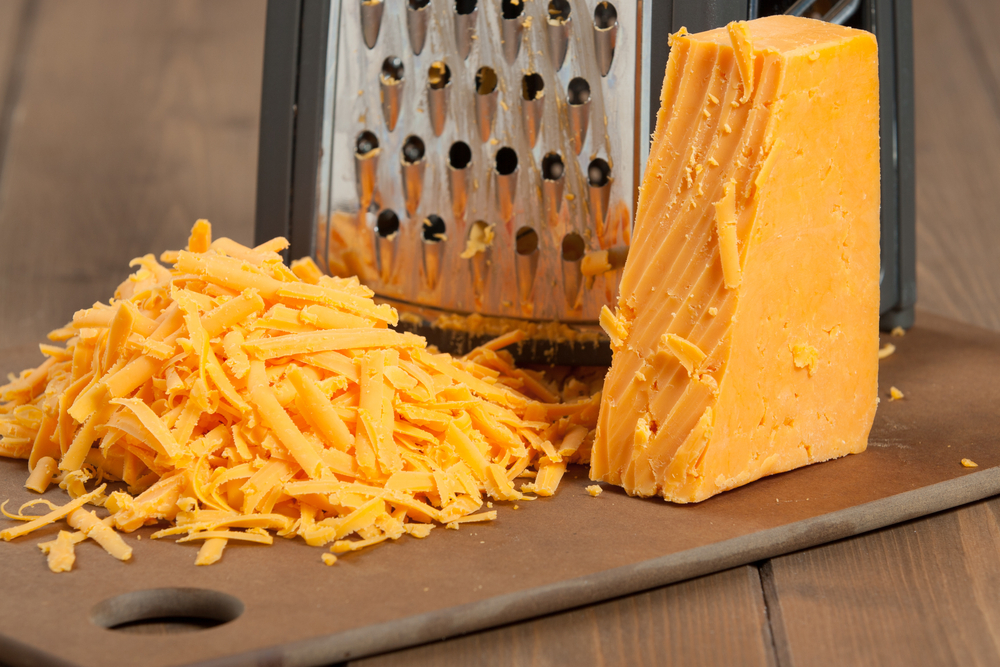
Certain cheeses, especially hard varieties like cheddar, naturally contain some vitamin D. Not a huge amount, but enough to support your overall intake.
Yogurt
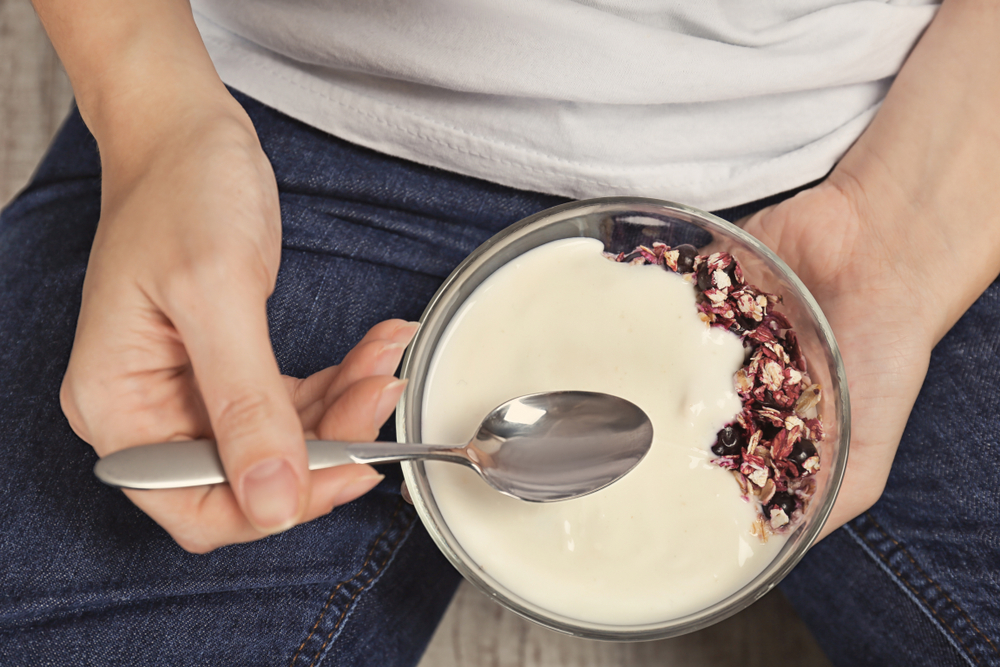
Like milk, many yogurt products are fortified with vitamin D. They also provide protein and probiotics to support gut health.
This article is based on information from EatingWell
Also read: Cardiologists urge: Foods that keep your heart strong after 60
Also read: Could Cholesterol Be the Key to Preventing Dementia?
This article is made and published by Mie Hermansen, who may have used AI in the preparation.