
Everyone passes gas – and while it can be embarrassing in the wrong setting, it’s actually a natural part of digestion. What many don’t realize is that the frequency, smell, and even the feel of your farts can reveal a lot about your health.
When they smell extra bad

A particularly foul odor can suggest an imbalance in your gut bacteria, where certain microbes dominate digestion.
When they’re almost odorless

If your gas has little to no smell, it’s often a sign that your digestion is running smoothly and your diet is balanced.
When you rarely pass gas

Unusually few farts may indicate slow digestion, which can lead to constipation and discomfort.
Also read: Say Goodbye to Stomach Issues: Top Tips for Smooth Digestion
When they’re wet or foamy

Gas that feels moist or sounds bubbly can point to irritation in the intestines or issues with nutrient absorption.
When they smell milky

A sweet, dairy-like odor may signal lactose intolerance, meaning your body struggles to break down milk sugars.
When cramps come with the gas

If stomach pain appears along with flatulence, it could be a sign of problems in the colon.
When they happen at night

Frequent nighttime gas may be linked to foods your body can’t fully digest, which ferment in the gut.
Also read: Save Money and Avoid Food Waste: How to Keep Your Fruits and Veggies Fresh
When they’re silent but deadly

The classic “SBD” odor often comes from sulfur compounds produced when eating protein-rich foods.
When they smell sweet

An unusually sweet scent can sometimes be connected to high blood sugar levels and shouldn’t be ignored.
When they smell rotten

A rotting odor may be your body’s way of telling you you’re eating too much protein, which can be tough to digest.
When they smell of garlic or sulfur

Gas that reeks of sulfur can stem from foods like eggs, cabbage, or onions, all rich in sulfur-containing compounds.
Also read: Simple ways to get more vitamin D without supplements
When they’re constant

A steady stream of gas can mean you’re eating lots of fiber – generally healthy, but it can lead to extra bloating.
When they hurt
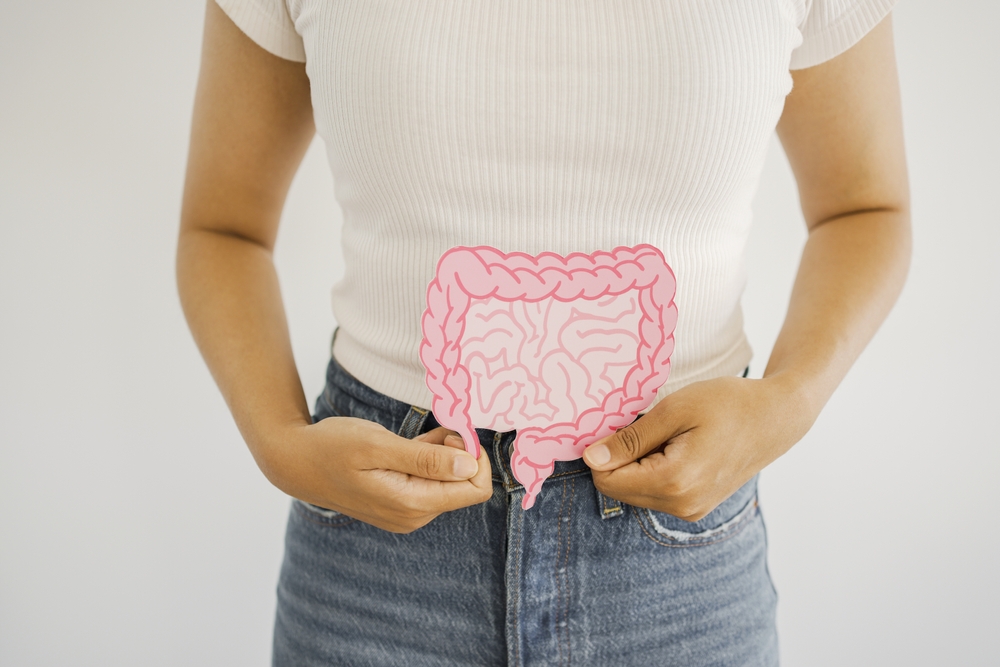
Painful farts can be linked to bloating or even infections that disrupt the balance of bacteria in your gut.
This article is based on information from LADbible
Also read: New Research Reveals a Link Between Breakfast Timing and Your Health
Also read: She Started Working Out at 64 - Today She’s Breaking World Records
This article is made and published by Mie Hermansen, who may have used AI in the preparation.