
Creatine isn't just for gym buffs anymore. From students to seniors, more and more people are adding it to their daily routine—and for good reason. Here's what actually goes on inside your body when you make creatine a daily habit.
Boost in strength and explosiveness
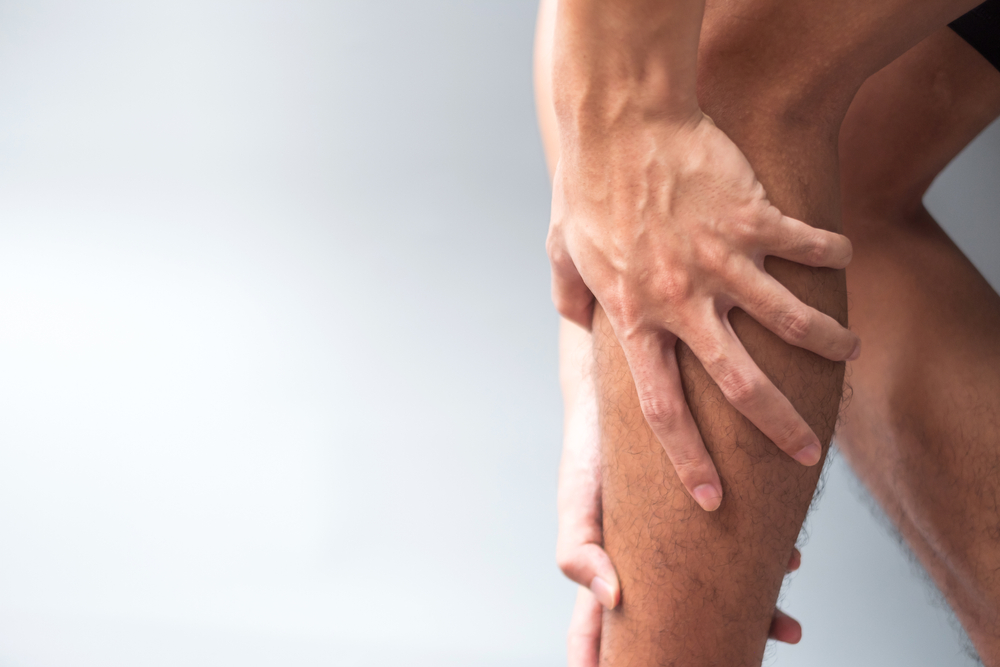
Creatine increases the energy stored in your muscles, helping you lift heavier, sprint faster, and perform better during high-intensity workouts.
Faster muscle growth

When combined with resistance training, creatine promotes more effective muscle building and noticeable improvements in body composition.
Improved recovery

It reduces post-workout soreness and speeds up muscle recovery, so you’re ready to train again sooner.
Also read: These Small Everyday Changes Can Reduce Migraine Attacks
Protection during injury

Even during periods of inactivity—like having a limb in a cast—creatine helps preserve muscle mass and strength.
Brainpower boost

Creatine isn’t just for the body—it supports memory, focus, and mental performance, especially during periods of mental fatigue.
Reduced mental fatigue

When you're stressed or sleep-deprived, creatine helps the brain maintain its energy supply, improving alertness and clarity.
Mood and emotional benefits

Some research suggests creatine may help improve mood and even ease symptoms of anxiety and depression.
Also read: This Might Be Why You Wake Up Hungry in the Middle of the Night
Stronger muscles and bones with age

In older adults, creatine combined with strength training can slow down age-related muscle and bone loss, reducing the risk of falls and fractures.
Mild water retention
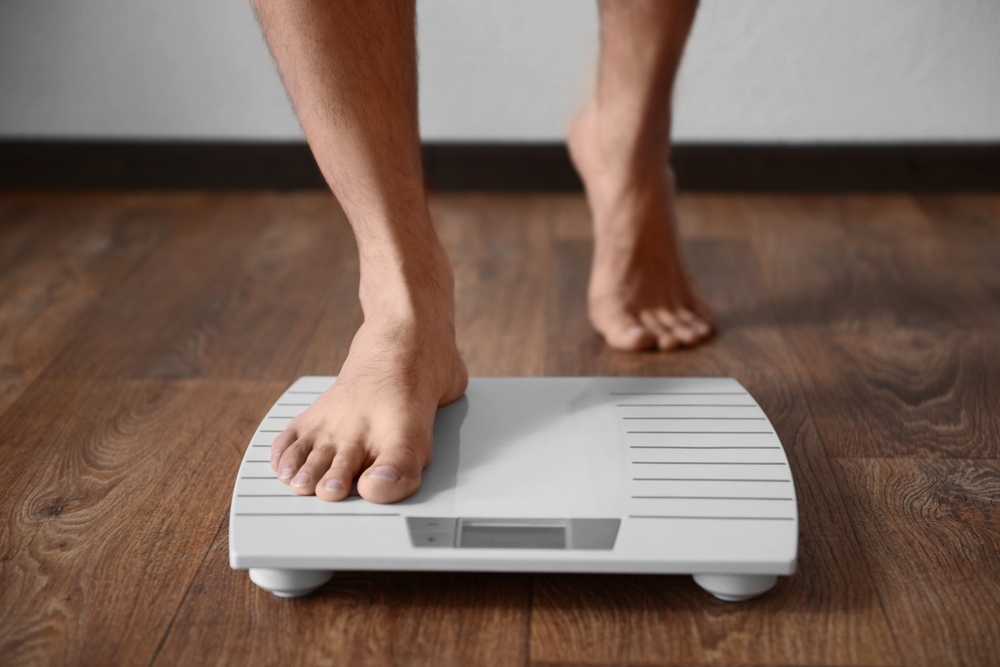
Creatine might cause a slight increase in weight due to water retention in the muscles—especially when you first start supplementing.
Potential stomach discomfort at high doses

Taking too much at once can lead to bloating or cramping. It’s best to split up large doses throughout the day to avoid issues.
Article based on information from EatingWell
Also read: New blood pressure guidelines: Why doctors want to treat it earlier
Also read: Chef’s warning: never cook this in a nonstick pan
This article is made and published by Mie Hermansen, who may have used AI in the preparation.