
Processed foods are a daily part of modern life, but they’re often misunderstood.
Many people hear the word “processed” and immediately think “unhealthy,” but not all processed foods are created equal.
Here's what you should know to make smarter choices and understand what’s really on your plate.
Processed food is more than just junk
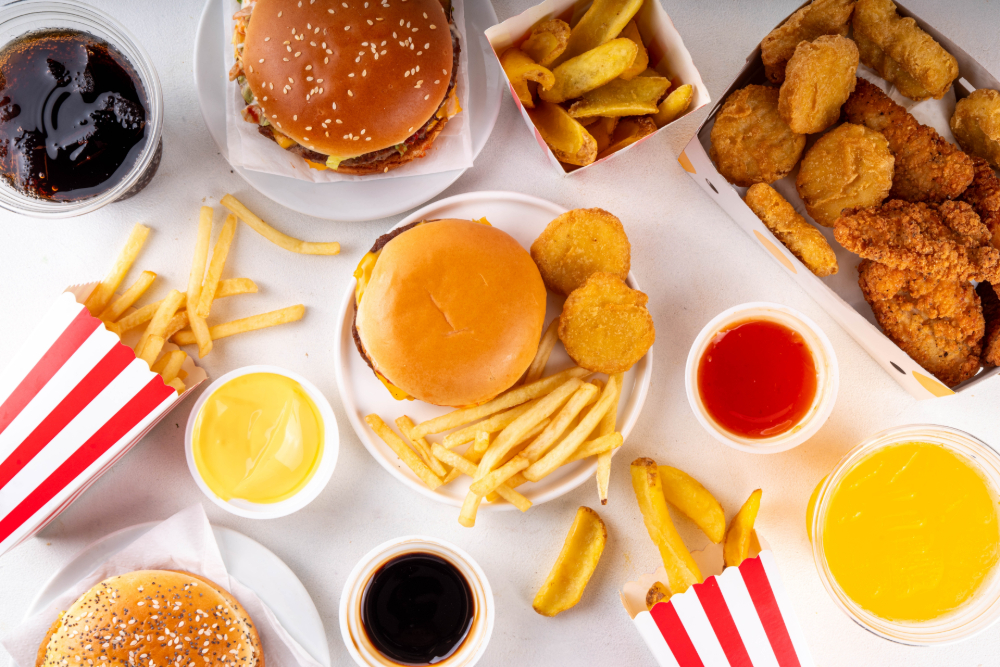
Food is considered processed if it's been altered in any way from its original state.
Also read: Is this the beginning of a cure for autism? New findings spark global hope
That includes simple actions like chopping, freezing, or cooking. So yes, even something as innocent as pre-washed salad mix counts as processed.
Food processing comes in different levels
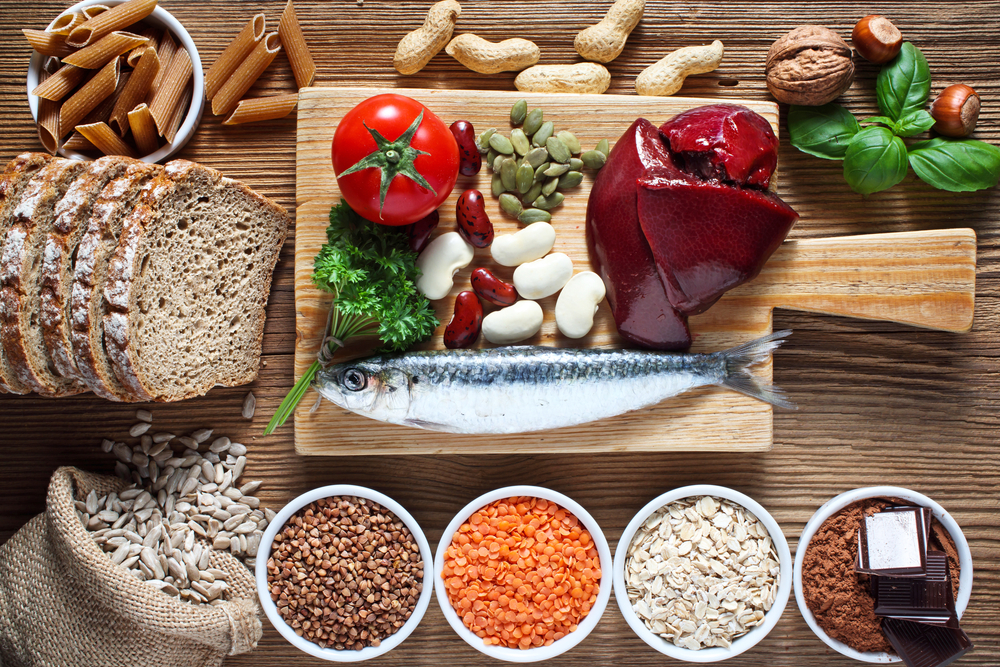
There are different degrees of processing, from minimal to extreme.
The NOVA classification groups foods based on how much they’ve been altered and what has been added.
Group 1: Almost natural foods
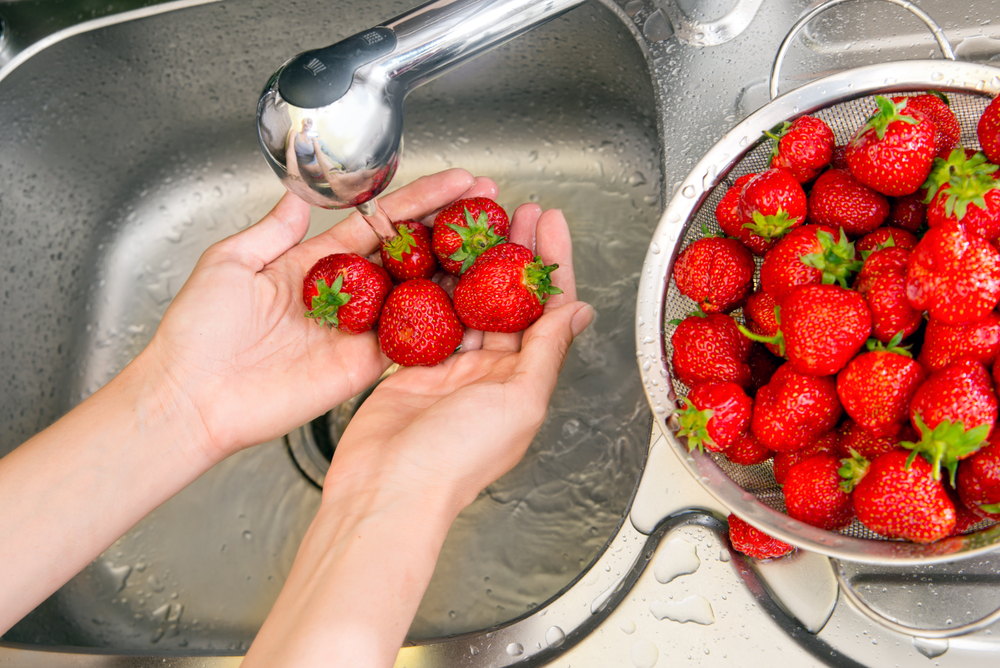
Fresh berries, chopped veggies, and roasted nuts are Group 1 foods. They’ve only been slightly changed to make them easier to store or eat.
Also read: Doctor's Advice: These Mistakes Can Ruin the Effect of Ozempic and Wegovy
Group 2: Processed culinary ingredients
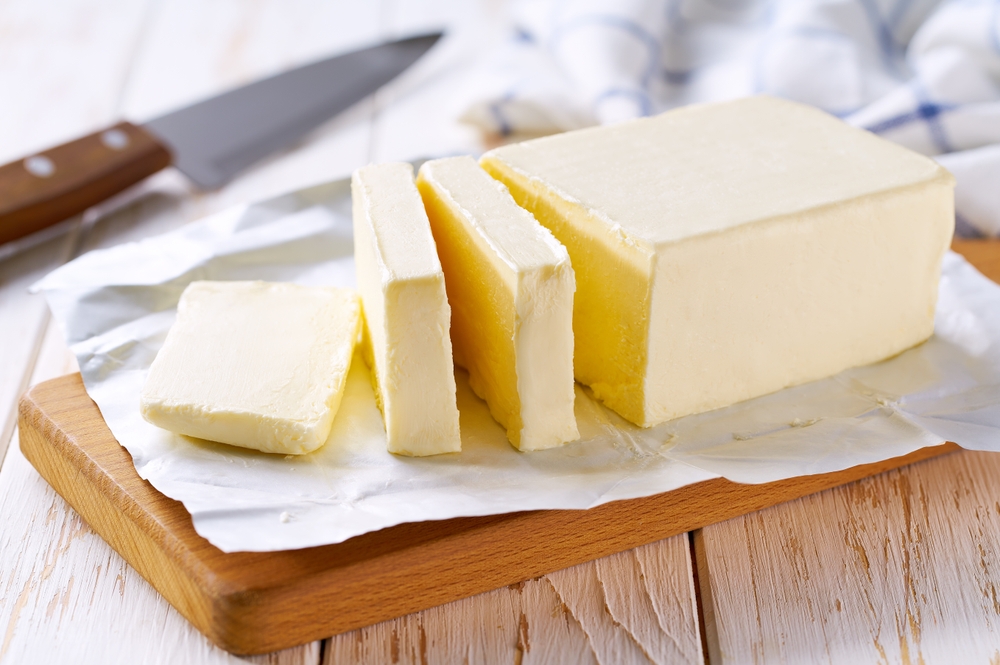
Butter, oil, sugar, and salt belong here. These are natural in origin but have been refined or pressed to make them easier to cook with.
Group 3: Foods with a few added ingredients
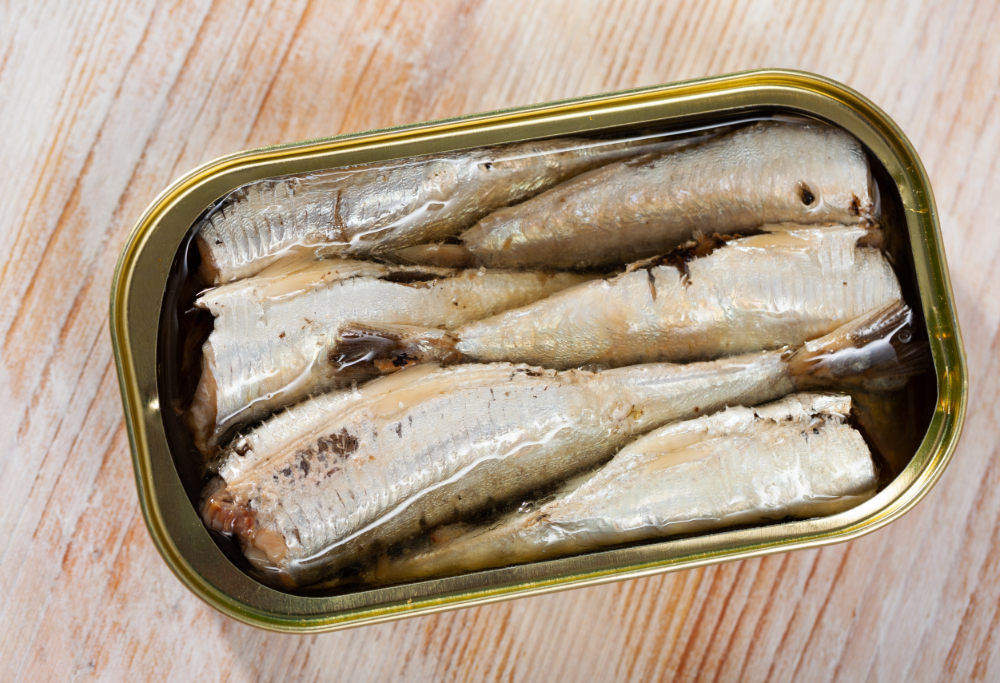
This includes canned fish, cheese, and fresh bread, items with added salt or oil that are ready to eat or use in other dishes.
Group 4: Ultra-processed food products
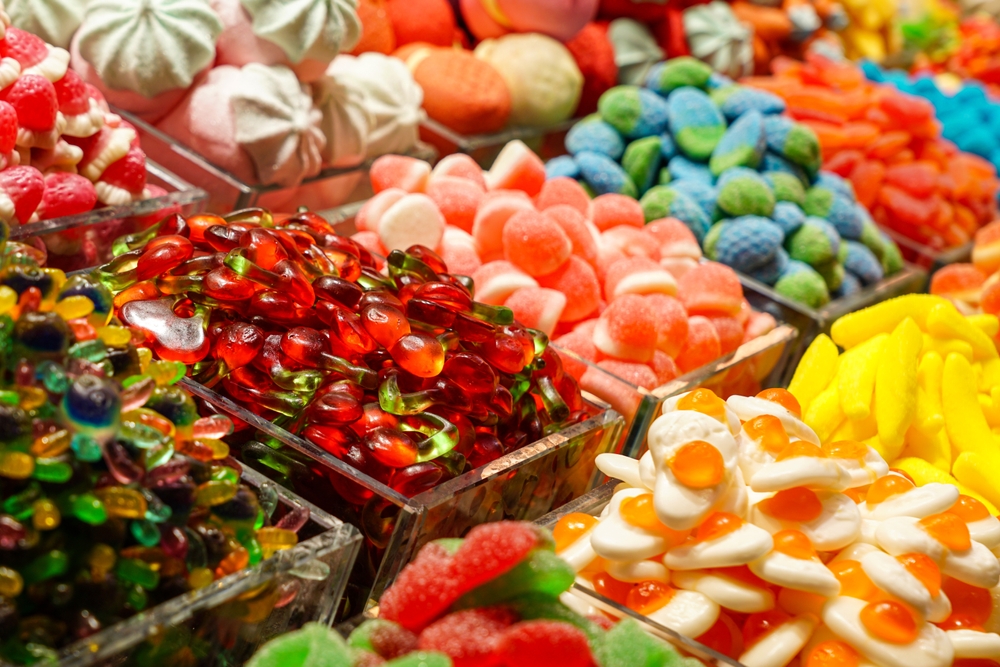
These are industrially produced items full of additives, flavor enhancers, and sweeteners. They barely resemble their original ingredients.
Some processing actually makes food healthier
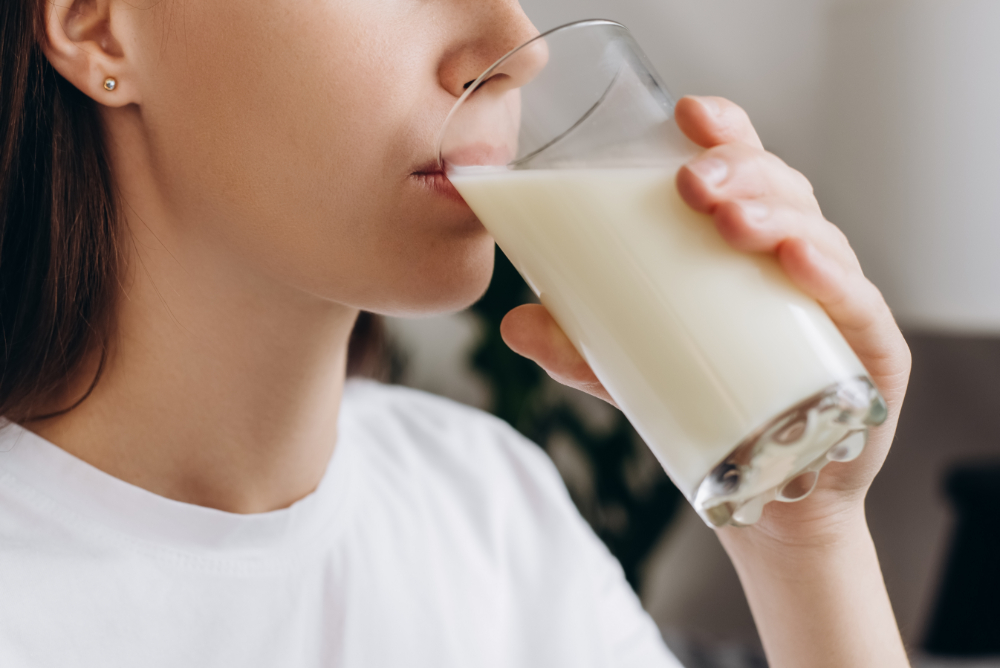
Processes like pasteurization, fermentation, and freezing can extend shelf life, improve safety, or even boost nutrition in some cases. It’s not always a bad thing.
Also read: Ditch your reading glasses: New eye drops could change everything
The supermarket is filled with ultra-processed choices
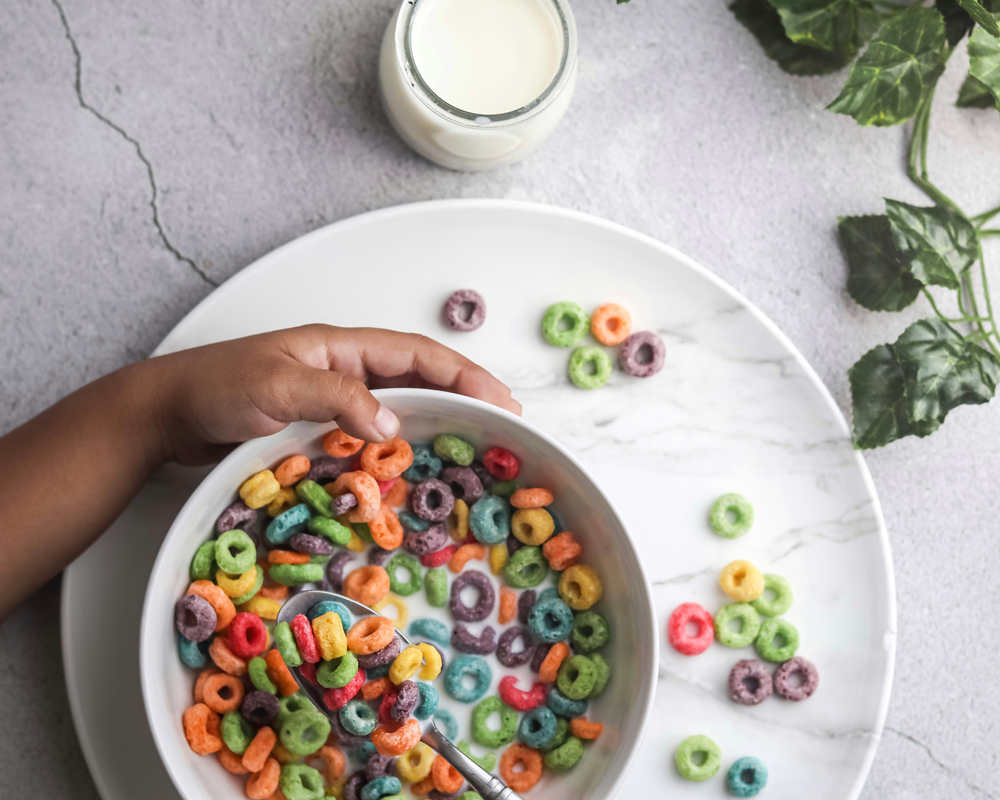
From breakfast cereal to microwave dinners, many products on the shelves fall into this highly processed category.
They’re designed to be convenient and tasty, but not always healthy.
Small snacks can be deceptively high in calories
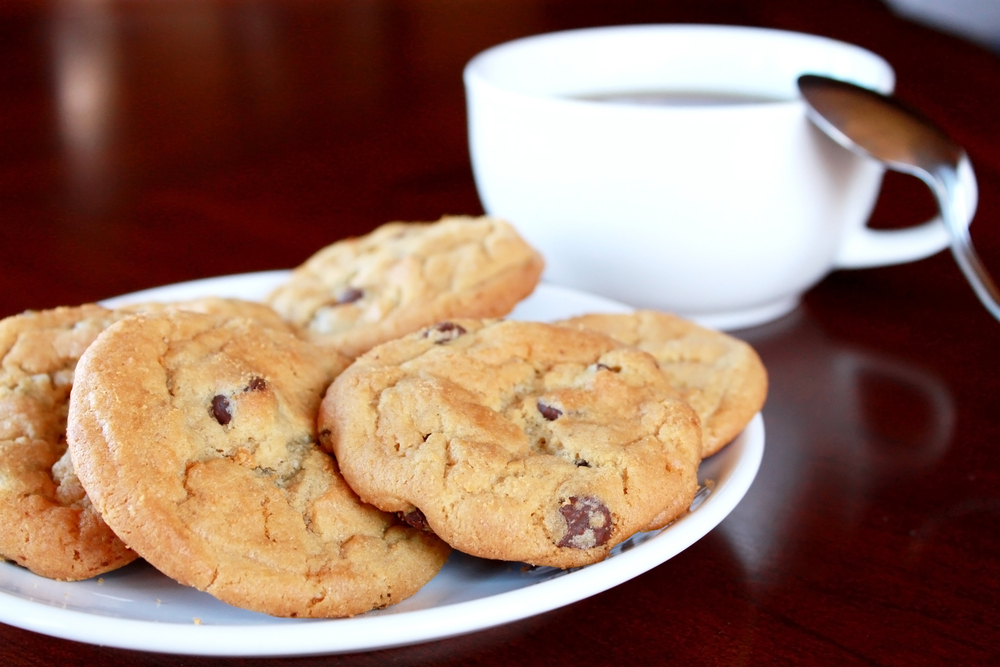
It’s easy to underestimate how much you're consuming. Something that seems like a light treat may pack more calories than a whole serving of fresh vegetables.
Your body works harder to digest whole foods
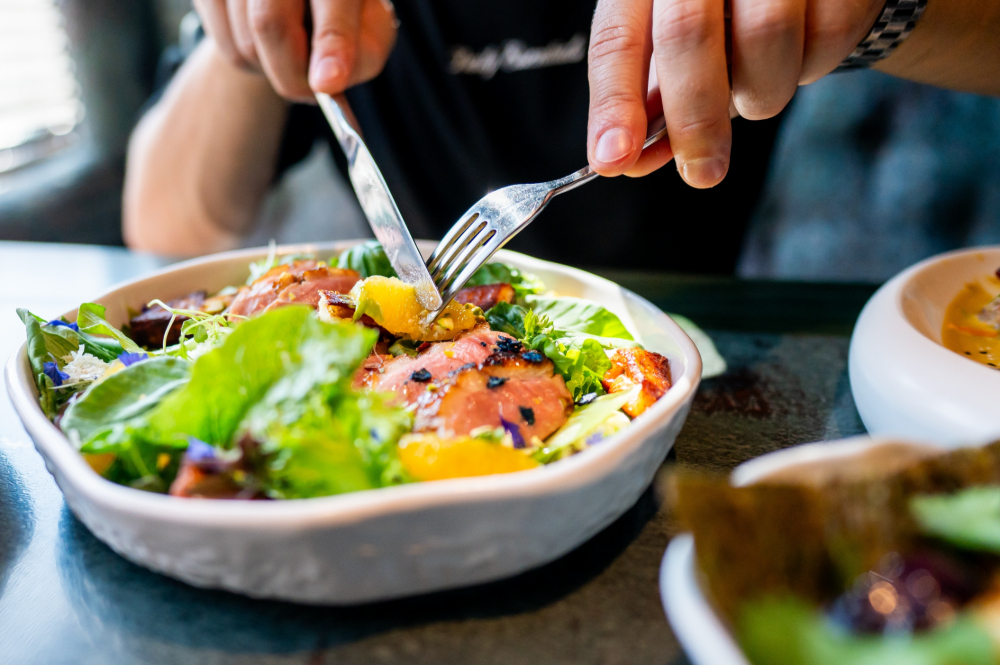
Natural foods take more effort for your body to break down, which can help regulate appetite and metabolism.
Also read: A Doctor Reveals Why Weight Loss Is So Hard
Highly processed foods are digested faster, which may lead to overeating.
There may be a link between processed foods and cancer

Research has shown that diets high in ultra-processed foods may increase the risk of certain cancers.
This could be due to the additives, preservatives, or overall poor nutritional quality.
Processing removes natural nutrients
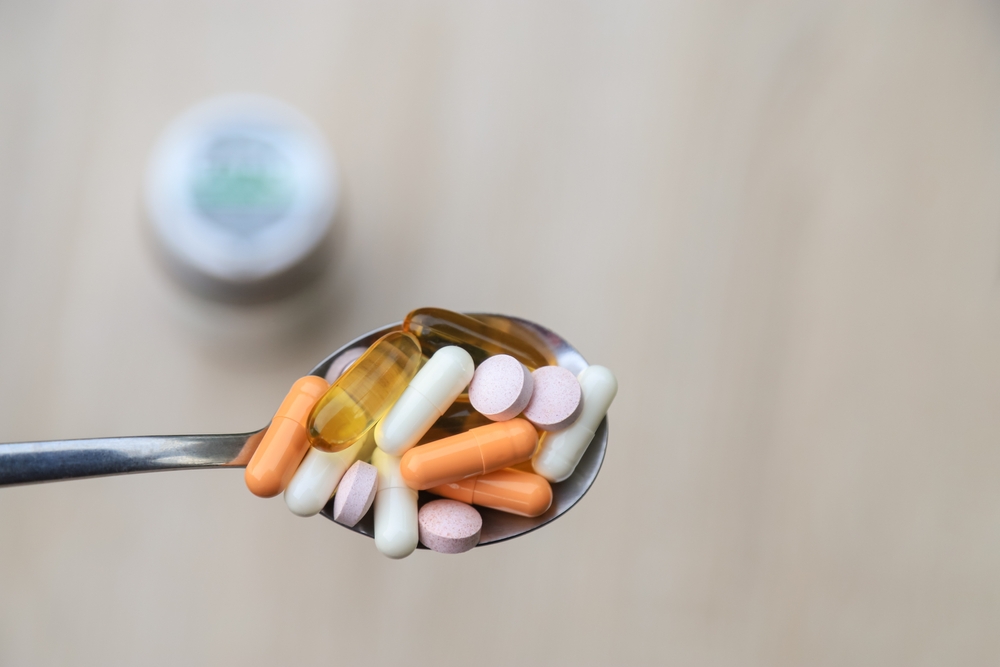
Many nutrients are lost during production.
Also read: Bloated belly? Here are 13 simple tricks to beat the bloat fast
While vitamins and minerals are often added back in later, the final product may still lack the full benefits of its original form.
Artificial ingredients change how food looks and tastes
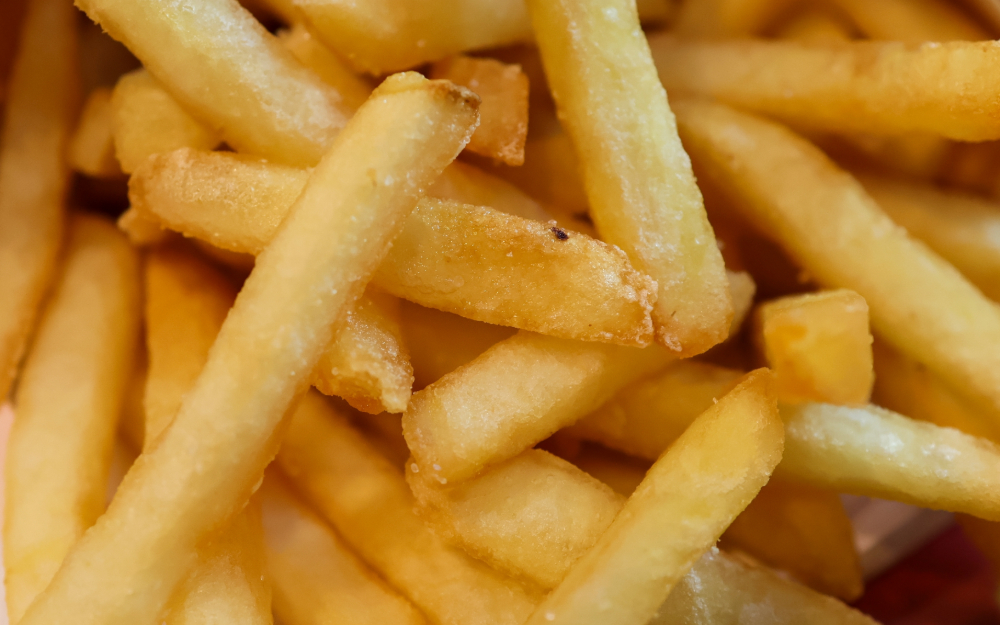
Additives like flavor enhancers, colorings, and emulsifiers are often used to improve shelf life or appearance, but they may reduce the food’s nutritional value.
Processed foods are made to keep you eating
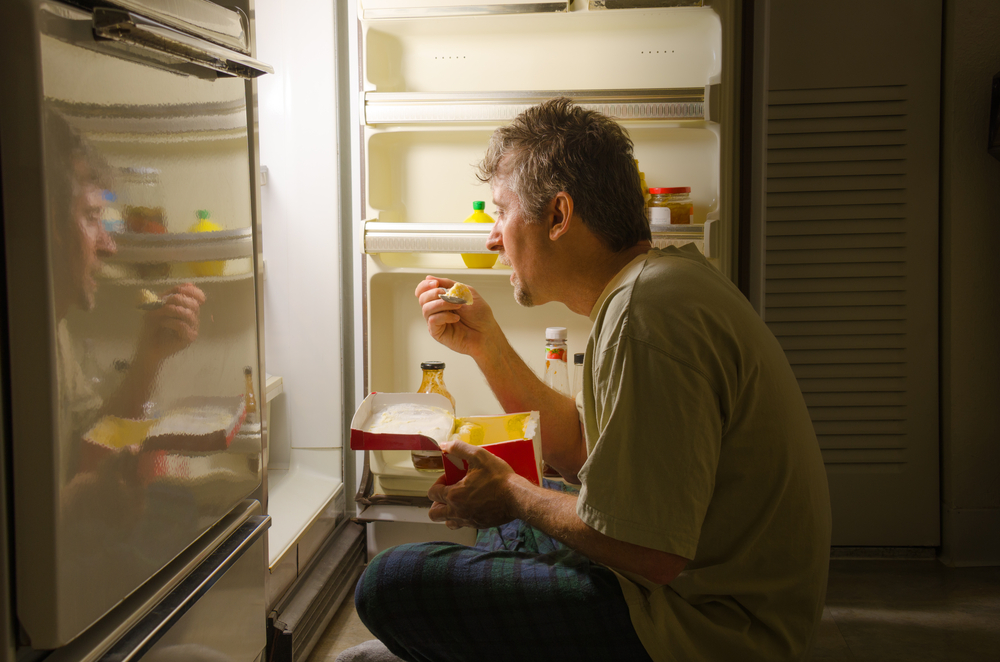
A carefully balanced mix of salt, sugar, and fat can make foods more appealing, and harder to stop eating. That’s by design, not coincidence.
Some processed foods can still be part of a healthy diet
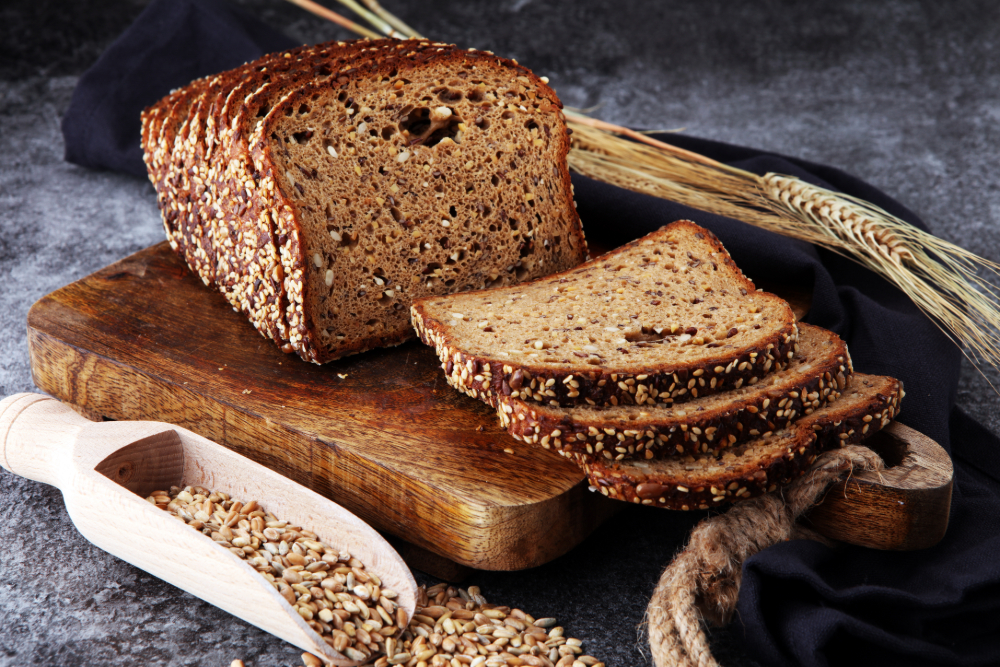
Low-fat milk, whole-grain bread, and high-fiber cereals are examples of processed options that offer real nutritional value and can support a balanced diet.
Not all canned fruit is bad
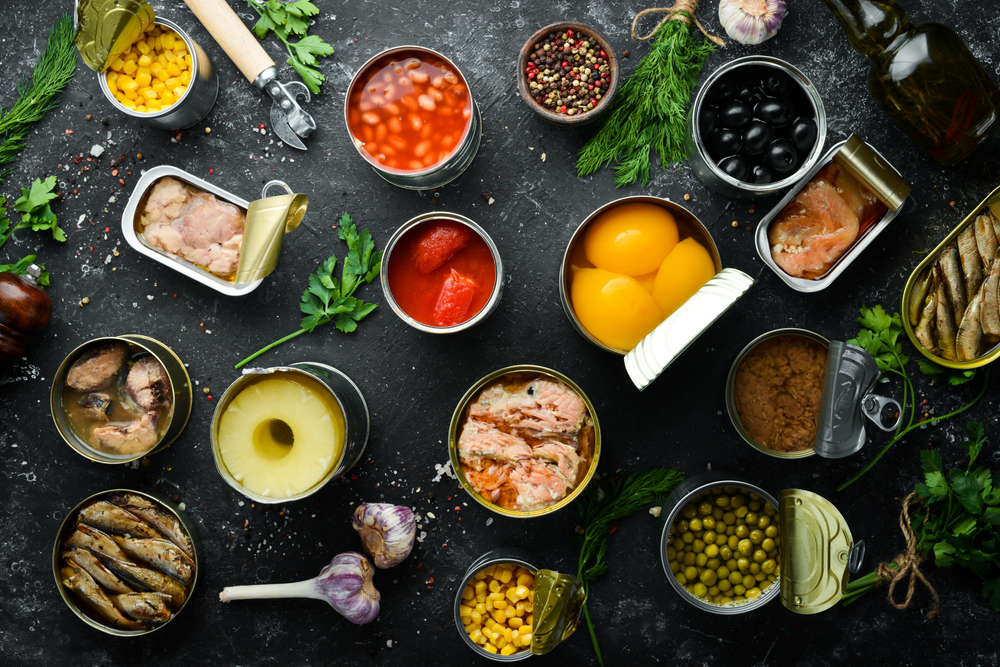
Canned fruit stored in water or natural juice can be a convenient and healthy choice. Just avoid those packed in sugary syrups.
Reading labels makes a difference
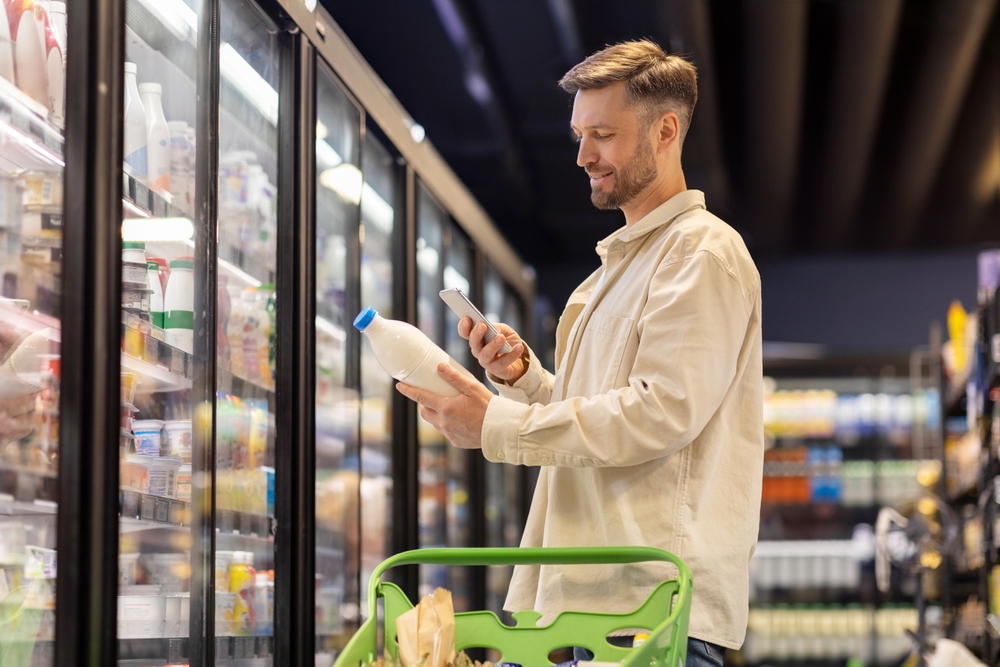
Ingredient lists can be revealing. The fewer ingredients, and the more familiar they are, the better.
If most of the words sound like chemistry class, it’s probably best to skip it.
Fresh sections offer better choices
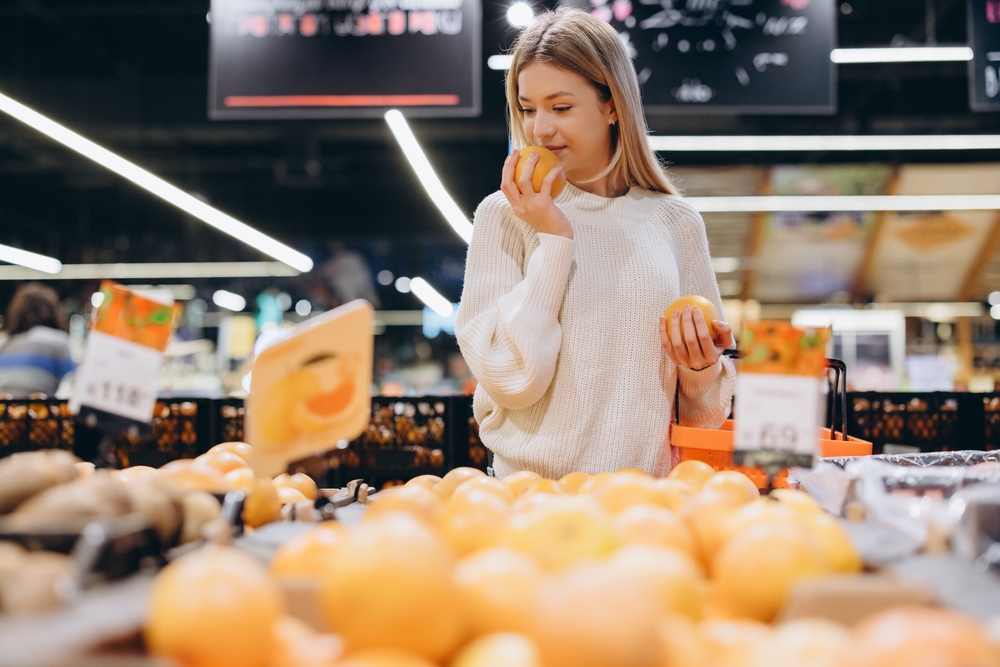
Stick to the fresh produce, meat, and dairy sections of the grocery store to find less processed, more wholesome options.
Unprocessed meats are usually healthier
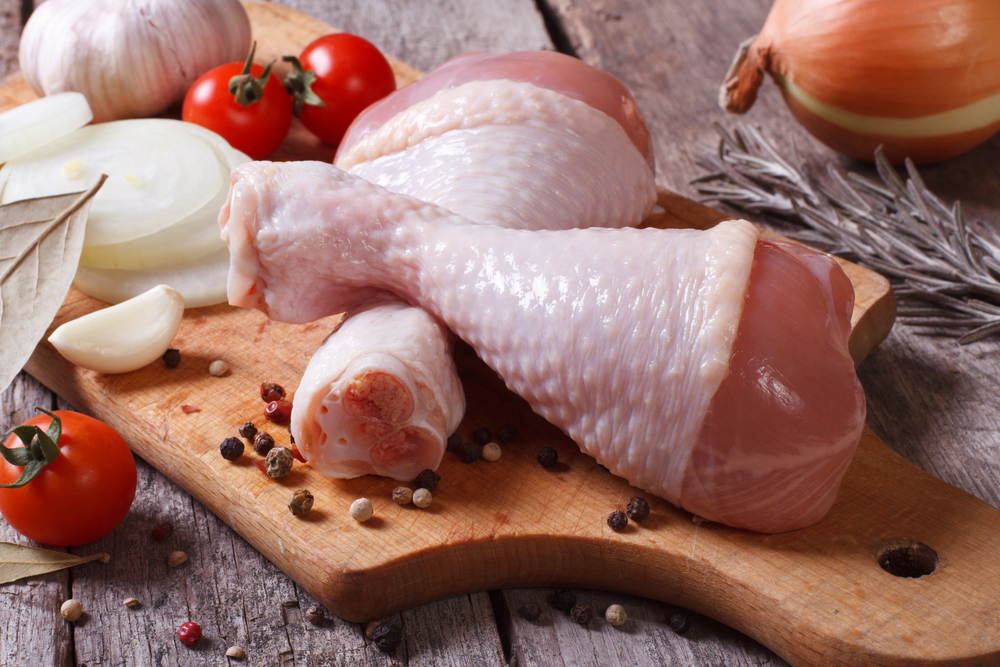
Lean meats like chicken breasts or fish are typically better than processed alternatives like sausages, hot dogs, or bacon.
Home cooking gives you full control

When you make food from scratch, you know exactly what’s in it. That means fewer hidden sugars, less sodium, and better overall nutrition.
This article is based on information from WebMD.
This article is made and published by Ida-Marie Palm Varbæk, who may have used AI in the preparation.