
A groundbreaking study is giving millions of people with age-related vision loss new hope. Scientists have tested eye drops that may offer clear near vision—without the need for glasses or surgery.
Eye drops as an alternative to reading glasses
Researchers are exploring eye drops designed to restore near vision in people suffering from presbyopia—an age-related condition that typically begins in your 40s. The drops could offer a simple, non-invasive alternative to reading glasses.
A smart drug duo inside the drops
The treatment combines two active ingredients: pilocarpine, which helps the eye’s lens refocus by constricting the pupil, and diclofenac, an anti-inflammatory that reduces discomfort. Together, they boost focus and comfort.
Measurable improvements in vision

Participants saw real improvements after using the drops. On average, people could read over three extra lines on a near-vision eye chart just one hour after application.
Also read: A Doctor Reveals Why Weight Loss Is So Hard
Higher dose, stronger results

Three different pilocarpine concentrations were tested. Those receiving the highest dose—3%—saw the most dramatic results, with 84% gaining the ability to read at least three additional lines.
Two drops a day keeps the glasses away
Participants applied the drops twice daily: once in the morning and once six hours later. This routine helped maintain clearer vision throughout the day.
Long-lasting vision benefits
Even after months of continued use, many participants maintained improved vision for up to two years—suggesting the treatment could be a sustainable solution for long-term use.
Say goodbye to the reading glasses struggle

For many, constantly reaching for reading glasses is a daily frustration. These drops aim to eliminate that inconvenience altogether, giving users more freedom and flexibility.
Also read: Bloated belly? Here are 13 simple tricks to beat the bloat fast
Side effects were mostly mild

The most commonly reported side effects included slight stinging, temporary dim vision, and mild headaches. These effects were short-lived and generally well tolerated.
Experts urge long-term caution
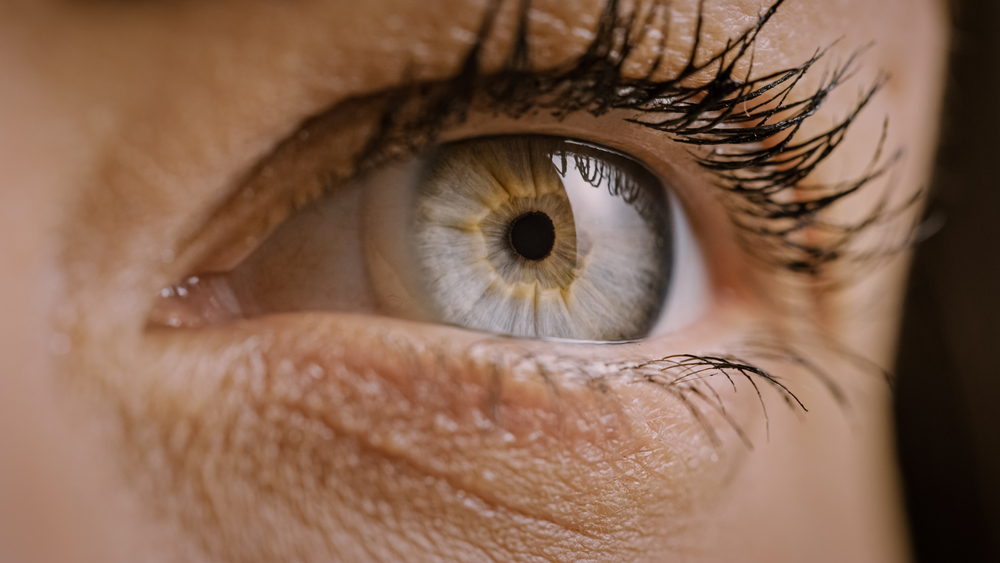
While promising, doctors warn that extended use of pilocarpine may carry risks like reduced night vision, eye strain, or in rare cases, retinal detachment. Ongoing research is needed to confirm safety.
A global game-changer in eye care
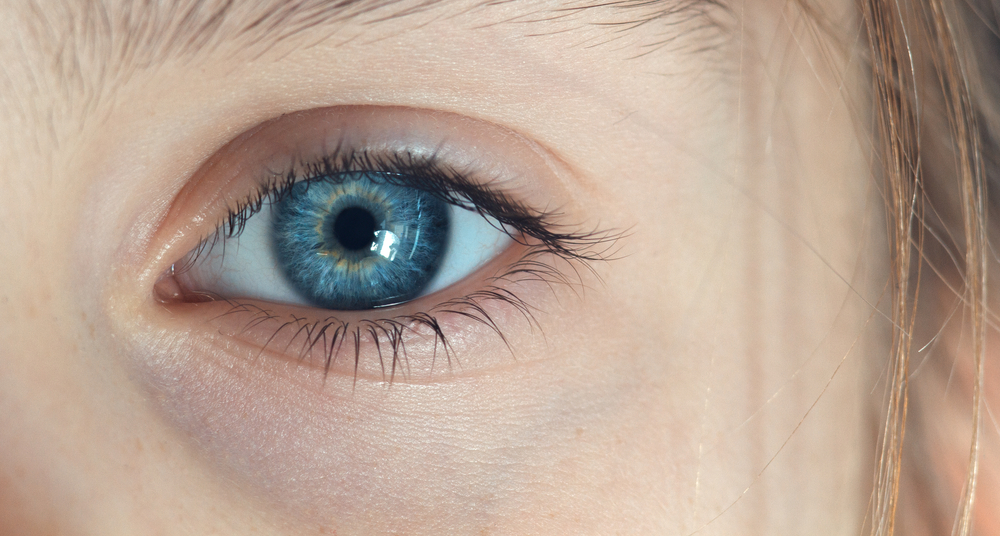
Presented at a major European ophthalmology conference, this innovation has the potential to improve quality of life for millions of people worldwide—especially as presbyopia affects nearly everyone over time.
This article is based on information from The Telegraph
Also read: Everyday foods that could ease your overactive bladder
Also read: These Symptoms Might Mean Your Thyroid Is Out of Balance
This article is made and published by Mie Hermansen, who may have used AI in the preparation.