
A new study from Stanford Medicine suggests that a single overactive brain region could be key to autism symptoms — and calming it may actually erase them. The findings open surprising new doors in the search for treatments.
A tiny brain region with massive influence
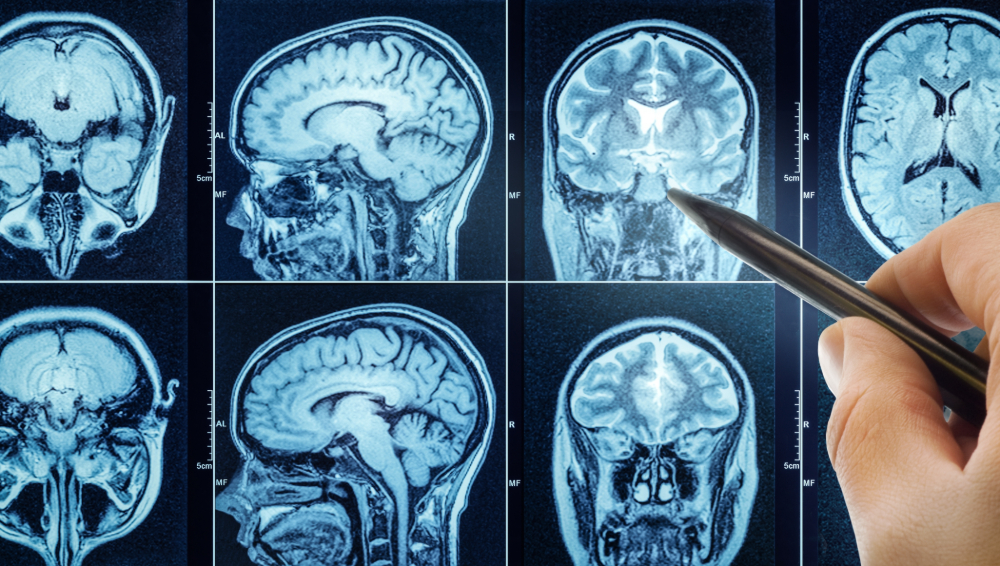
Researchers zeroed in on the reticular thalamic nucleus — a little-known brain area that acts as a gatekeeper for sensory signals. When overactive, it may flood the brain with information, contributing to autism-like behavior.
Mice showed dramatic behavioral changes
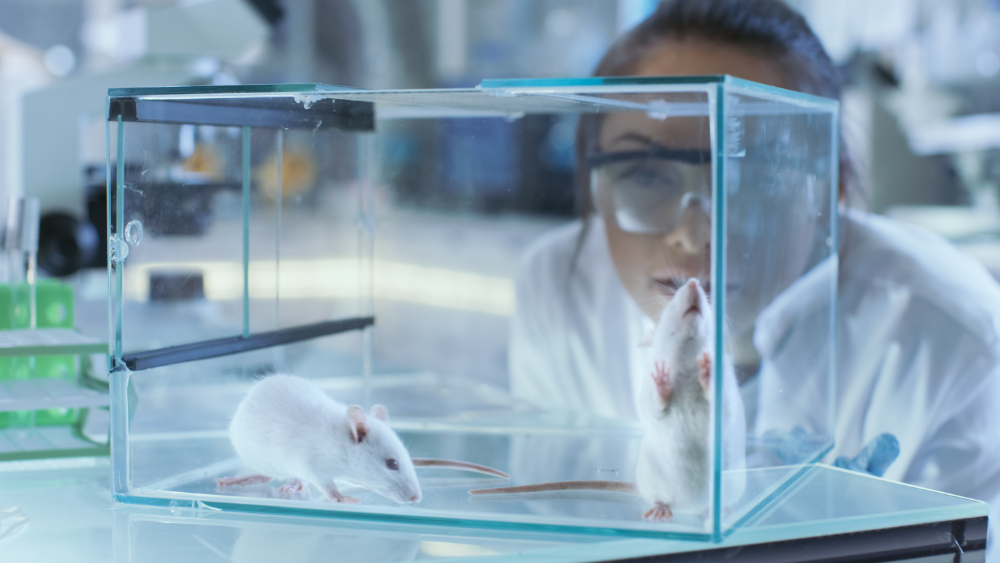
In genetically modified mice that mimicked autism traits, researchers noted increased motor activity, repetitive behaviors, social withdrawal, and sensitivity to light and touch — symptoms closely resembling those seen in humans with autism.
Hyperactivity in the brain was the trigger

The overactivity in the reticular thalamic nucleus wasn’t just coincidental. Scientists showed that this specific region became hyperactive in response to sensory input and during social interactions, driving abnormal behavior patterns.
Also read: Doctor's Advice: These Mistakes Can Ruin the Effect of Ozempic and Wegovy
Calming the brain reversed the symptoms

When researchers used targeted drugs to dampen the activity in this brain area, the mice’s behaviors dramatically improved. They became more social, less reactive, and their repetitive actions reduced significantly.
An epilepsy drug showed unexpected promise
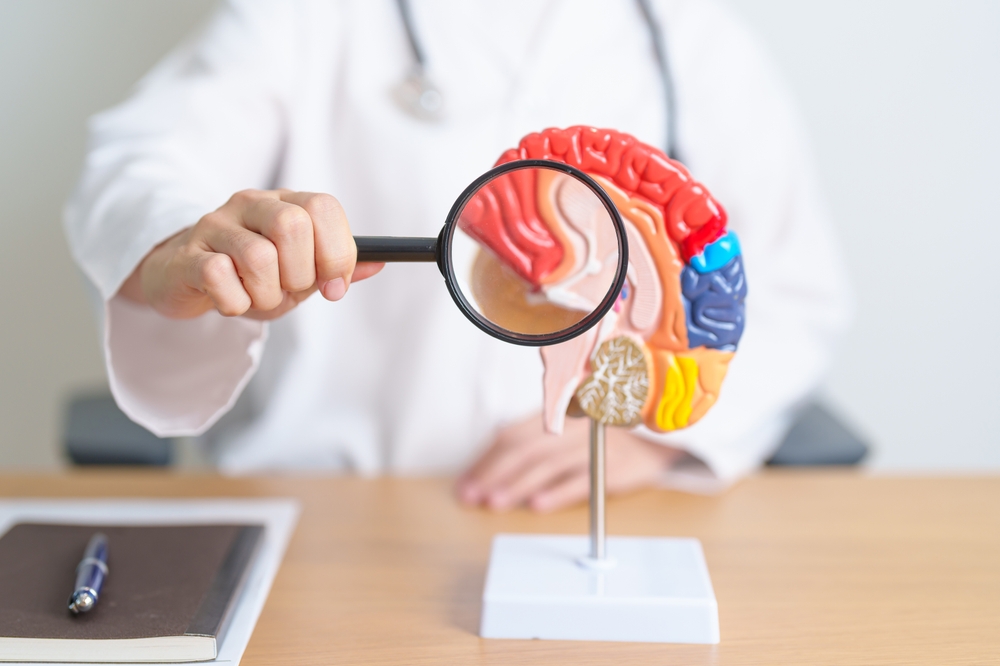
One of the treatments tested was Z944, a drug under development for epilepsy. Surprisingly, it didn’t just reduce seizures — it also normalized behavior in the autism-model mice, hinting at a deeper link between the two conditions.
Neuromodulation added a second path
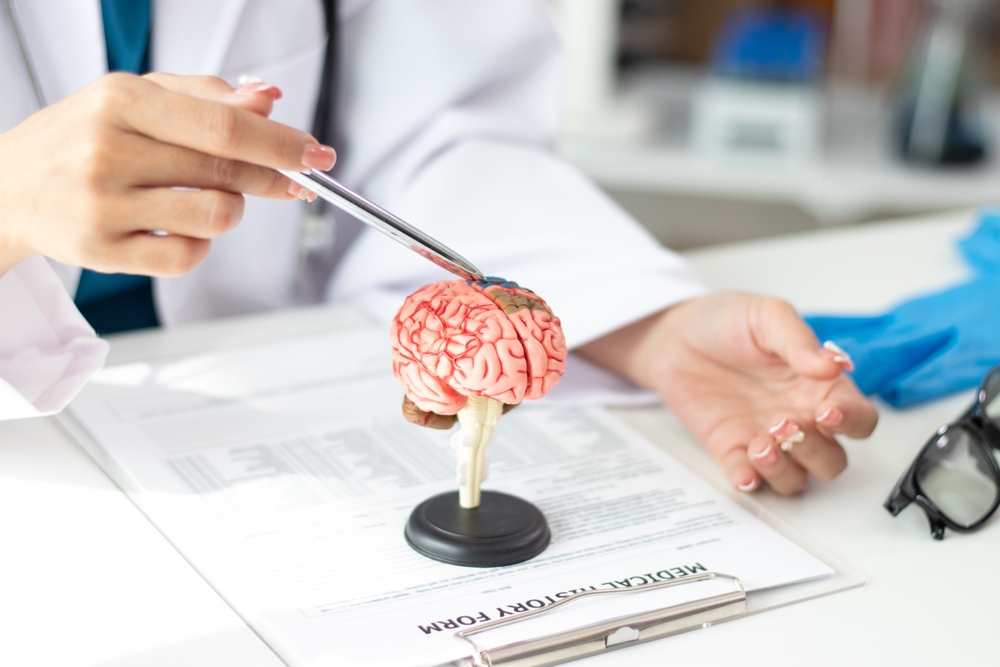
Beyond pharmaceuticals, the team used a technique called DREADD neuromodulation to genetically “reprogram” neurons. By activating this system, they could control the brain’s activity like a dimmer switch — and suppress the symptoms.
Turning up the volume induced autism traits
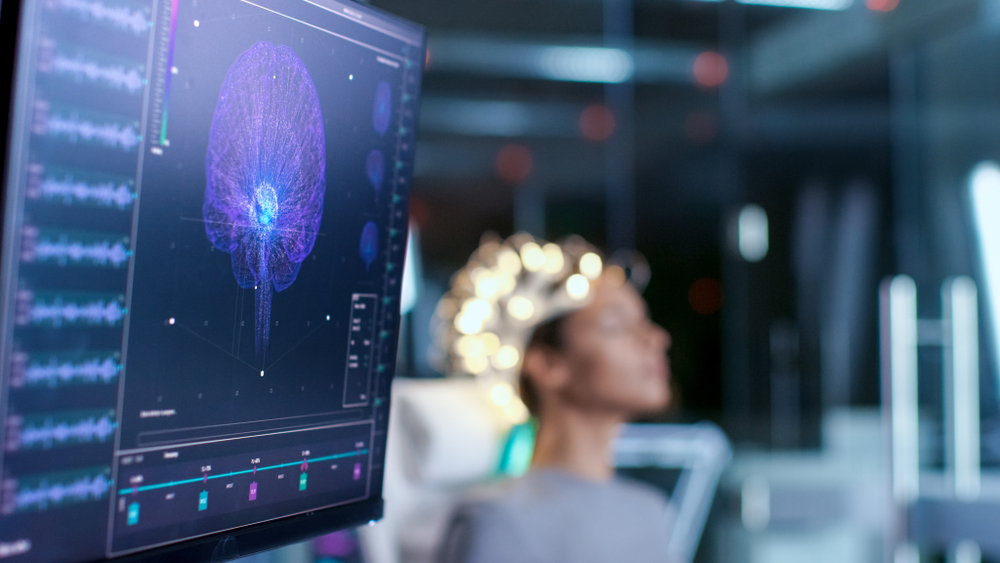
To test the connection further, scientists activated the same brain region in healthy mice — and saw them develop behaviors resembling autism. This showed a direct cause-and-effect relationship, not just correlation.
Also read: Ditch your reading glasses: New eye drops could change everything
Autism and epilepsy may share more than we thought
People with autism are far more likely to also experience epilepsy, but no one has fully understood why. This study provides biological evidence that the same overactive brain circuits might be behind both conditions.
A new target for future autism treatments

The study highlights the reticular thalamic nucleus as a promising new target for medication or brain therapies. Until now, this region has been largely ignored in autism research.
Hope for therapies that go beyond symptoms

Most current autism treatments focus on managing behaviors. But this study hints at the possibility of addressing the neurological roots — offering hope for future interventions that could change the brain’s wiring itself.
This article is based on information from Science Daily
Also read: A Doctor Reveals Why Weight Loss Is So Hard
Also read: Bloated belly? Here are 13 simple tricks to beat the bloat fast
This article is made and published by Mie Hermansen, who may have used AI in the preparation.