
A breakthrough from American chemists could transform the fight against liver cancer. By recreating a powerful natural molecule in the lab, researchers have opened the door to cheaper, more effective treatments for one of the world’s deadliest cancers.
Nature’s legacy in modern medicine

For centuries, many lifesaving drugs have been inspired by nature. Now scientists are pushing this tradition further by recreating powerful compounds with cutting-edge chemistry.
A deadly cancer in need of answers
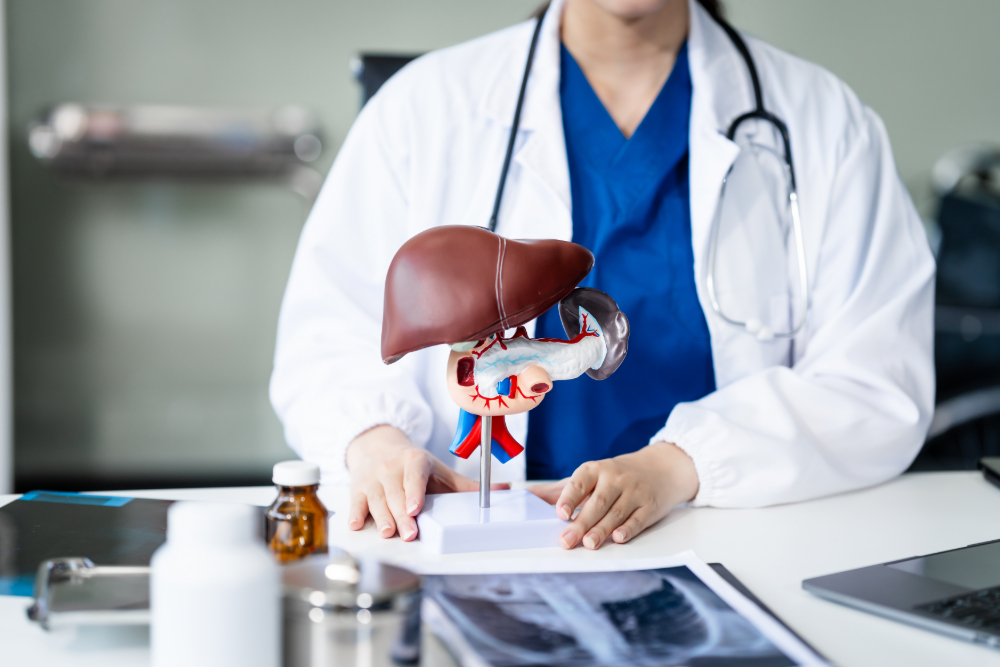
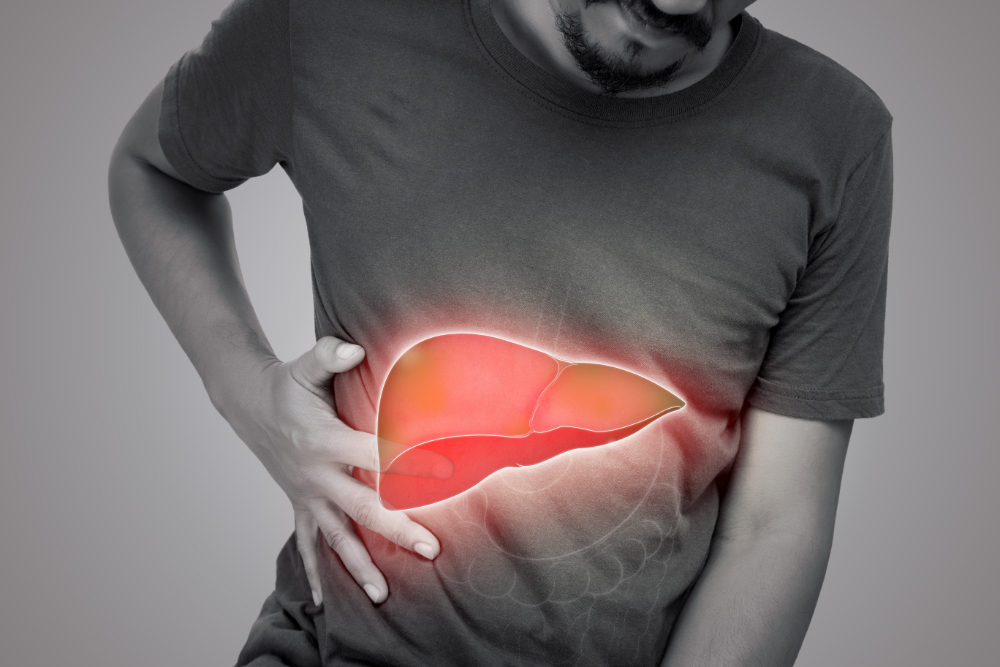
Liver cancer ranks among the top causes of cancer deaths worldwide. Survival rates remain extremely low, and current treatments are costly and limited in effectiveness.
The molecule scientists have been chasing

Researchers at the University of Delaware identified a molecule known for its cancer-fighting properties. Until now, producing it in useful amounts was nearly impossible.
Also read: New Technology: Heart Health Requires Gender-Specific Solutions
Synthetic chemistry changes the game
Using advanced “total synthesis,” the team built a new chemical recipe that allows the molecule to be reproduced using simple, widely available compounds.
Affordable production is the key
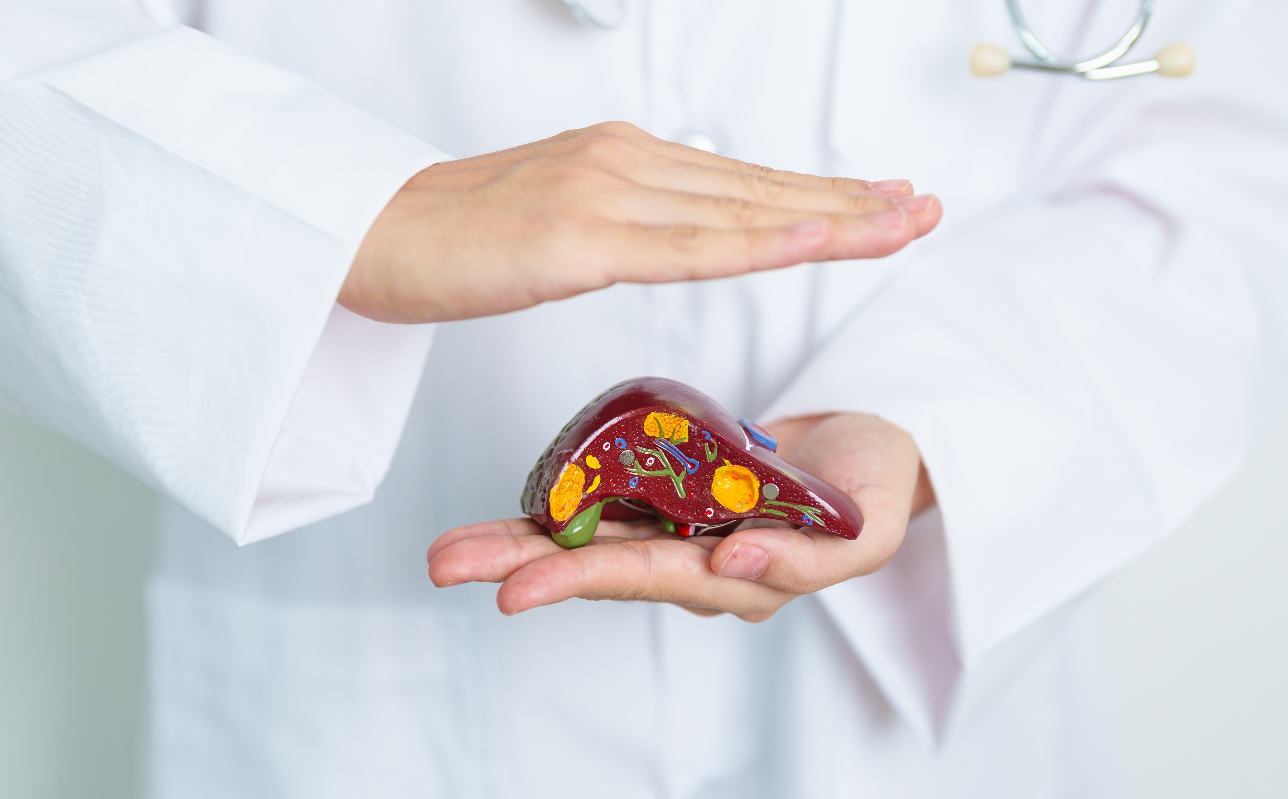
The innovation makes it possible to create large quantities of the molecule at low cost — removing one of the biggest barriers to turning it into medicine.
Global collaboration invited

Because the method has been published in a leading chemistry journal, labs around the world can now copy, test, and refine the process, accelerating discovery.
A bridge between science and patients

While the work is still at the laboratory stage, researchers are already partnering with the U.S. National Cancer Institute to explore how the molecule could move toward clinical use.
Also read: The Psychologist’s Guide: Managing Chronic Pain Step by Step
Beyond liver cancer

The same molecule may hold potential against other cancers, expanding the scope of its impact and multiplying the number of patients who could benefit.
A billion-dollar burden in focus

In the United States alone, tens of thousands are diagnosed with liver cancer every year, and treatment costs stretch into billions. A cheaper solution could transform healthcare economics.
A spark of hope in a dark landscape

With survival rates for advanced liver cancer under 15 percent, this breakthrough represents more than just chemistry — it’s a lifeline of hope for future patients.
This article is based on information from the University of Delaware via ScienceDaily
Also read: Simple Ways to Boost Your Vitamin D Levels Naturally
Also read: This Is Why You Wake Up in the Middle of the Night
This article is made and published by Mie Hermansen, who may have used AI in the preparation.