
Vitamins may seem harmless – even healthy – but in large doses, they can quietly wreak havoc on your body. Here are 10 surprising side effects you should know before popping another supplement.
When energy drops instead of rising

You might expect a boost, but taking too many B-vitamins can actually leave you feeling fatigued, foggy, or even irritable as your body struggles to balance the overload.
Your skin starts sending signals

Itchy rashes, peeling, or unexplained irritation may not be allergies at all – but rather your body reacting to an excess of vitamin A or niacin (B3), trying to push it out through the skin.
Blurred vision and light sensitivity
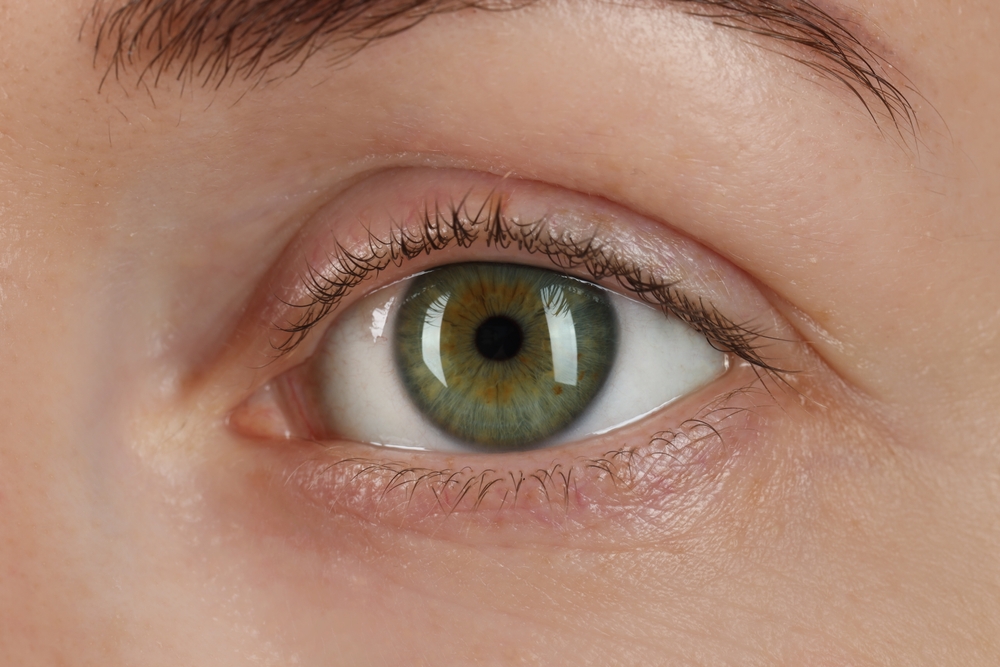
Seeing spots? Trouble adjusting to light? High doses of vitamin A can affect the retina, leading to visual disturbances – and in some cases, long-term damage if left unchecked.
Also read: New tecnology can now predict who will go blind – years before doctors can
Ongoing stomach trouble

Nausea, bloating, and even persistent diarrhea are common signs your gut isn’t happy – often triggered by too much vitamin C, iron, or magnesium irritating your digestive system.
Dizziness and brain fog

Too much vitamin D can raise calcium levels in the blood, leading to symptoms like dizziness, extreme thirst, and confusion – often mistaken for other health problems.
Tingling hands and feet

High and prolonged intake of vitamin B6 has been linked to nerve damage, which can cause tingling, numbness, or a burning sensation in your fingers and toes.
Your liver is under pressure

Your liver helps process what you eat and drink – including supplements. Fat-soluble vitamins like A and E can build up and strain your liver, sometimes leading to inflammation or reduced function.
Also read: Feeling Burned Out? These Tips Could Change Your Work Life
Kids face higher risks

Gummy vitamins might taste like candy, but for kids, even small overdoses can be dangerous. There are real cases of hospitalizations caused by just a few extra chewables.
Accidental overdosing is easier than you think
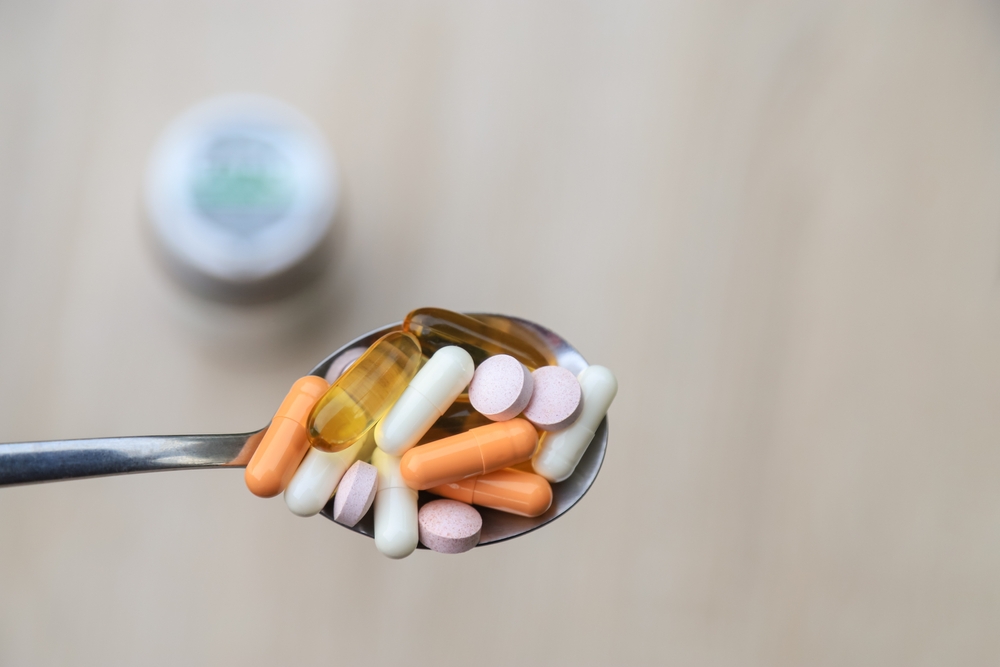
Most multivitamins already contain your daily requirement. Adding extra individual supplements – like vitamin D or C – can unintentionally push you into overdose territory.
Pregnancy and high vitamin A don’t mix

Pregnant women should be extra careful with vitamin A. Too much can harm fetal development and has been associated with birth defects, even from sources like liver or fortified foods.
This article is based on information from Verywell Health
Also read: Nutritionists Reveal How Soup Supports Digestive Health
Also read: How to Choose the Best Option Between Kombucha and Kefir
This article is made and published by Mie Hermansen, who may have used AI in the preparation.