
A new breakthrough in eye research shows that artificial intelligence can predict who is at risk of losing their sight – years before traditional methods would ever detect it. This could prevent unnecessary treatments and protect the vision of patients who truly need early intervention.
AI gives doctors a head start

By analyzing thousands of eye scans, the algorithm can detect early warning signs that human specialists cannot see with the naked eye.
Focus on keratoconus
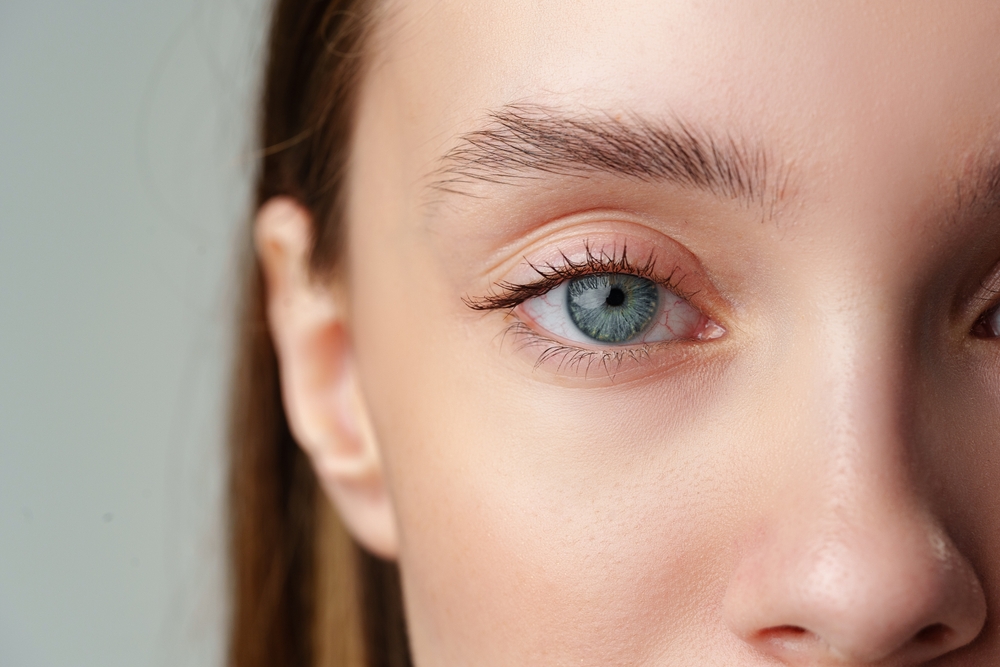
The study centers on keratoconus, a condition where the cornea bulges outward. It often begins in adolescence and can lead to severe vision loss if left untreated.
A complex challenge
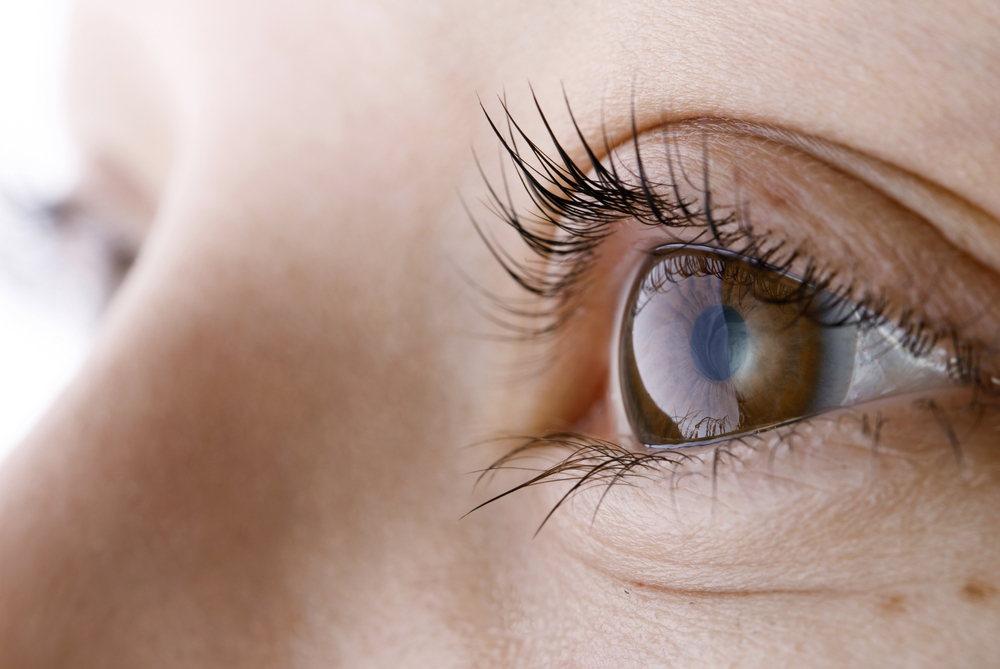
Some patients manage well with contact lenses, while others deteriorate quickly and end up needing invasive procedures or even corneal transplants.
Also read: Feeling Burned Out? These Tips Could Change Your Work Life
One treatment makes the difference
A technique known as “cross-linking” can halt progression, but only if performed before permanent damage occurs. Identifying those patients early is crucial.
The algorithm behind the breakthrough
Researchers in London trained AI with more than 36,000 eye scans from nearly 7,000 patients, combined with health and clinical data.
Predictions from the very first visit
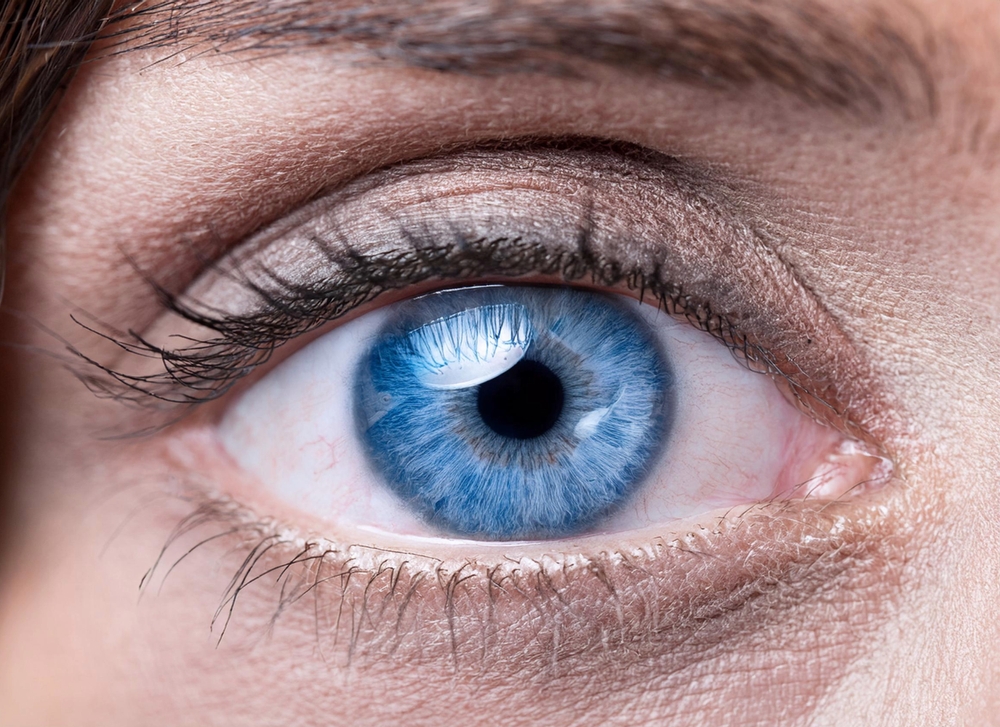
Even after a single scan, AI could accurately forecast whether the disease would worsen or remain stable – a game changer for patient care.
Smarter sorting of patients
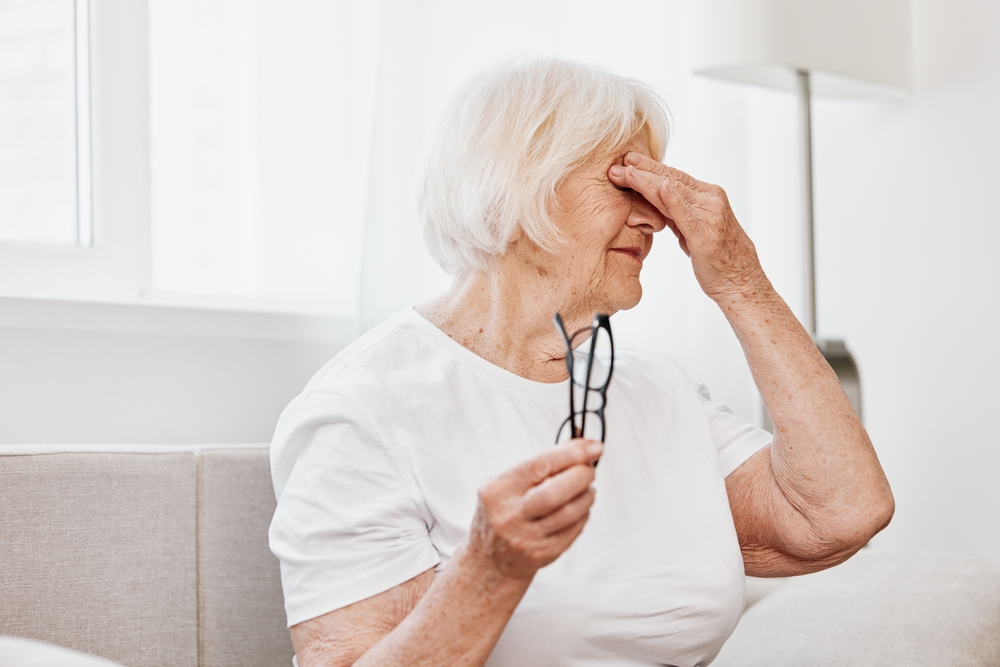
The system divides people into low-risk patients, who can be monitored less frequently, and high-risk patients, who should receive prompt treatment.
Also read: Nutritionists Reveal How Soup Supports Digestive Health
A boost for healthcare systems
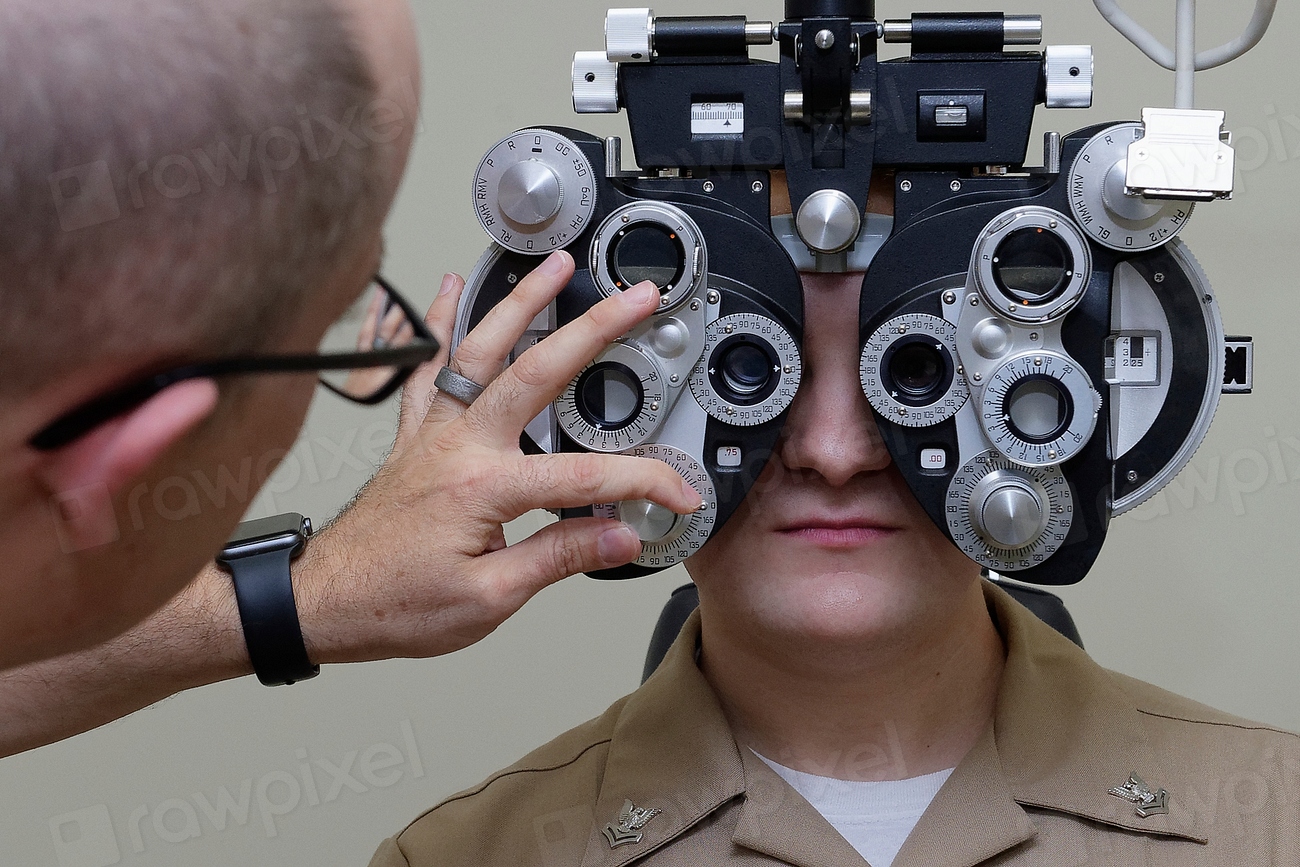
By reducing unnecessary check-ups, doctors can dedicate more time to those in urgent need, while easing pressure on overstretched clinics.
Beyond keratoconus
The same technology may soon be adapted to detect eye infections, inherited conditions, and other sight-threatening diseases.
A step closer to saving vision

Once safety tests are complete, the algorithm could be rolled out in clinics, preventing thousands of people from going blind unnecessarily.
This article is based on information from ScienceDaily
Also read: How to Choose the Best Option Between Kombucha and Kefir
Also read: New effect revealed: Wegovy and Ozempic change how food is experienced
This article is made and published by Mie Hermansen, who may have used AI in the preparation.