
Skin cancer has been on the rise for decades, but new research shows the trend may finally be shifting. While older generations are still seeing high rates of melanoma, younger people appear to be benefitting from better awareness and prevention.
Signs of stabilization

Recent studies suggest that melanoma rates are no longer climbing as fast as before, particularly among younger adults in Western countries.
Younger adults seeing fewer cases
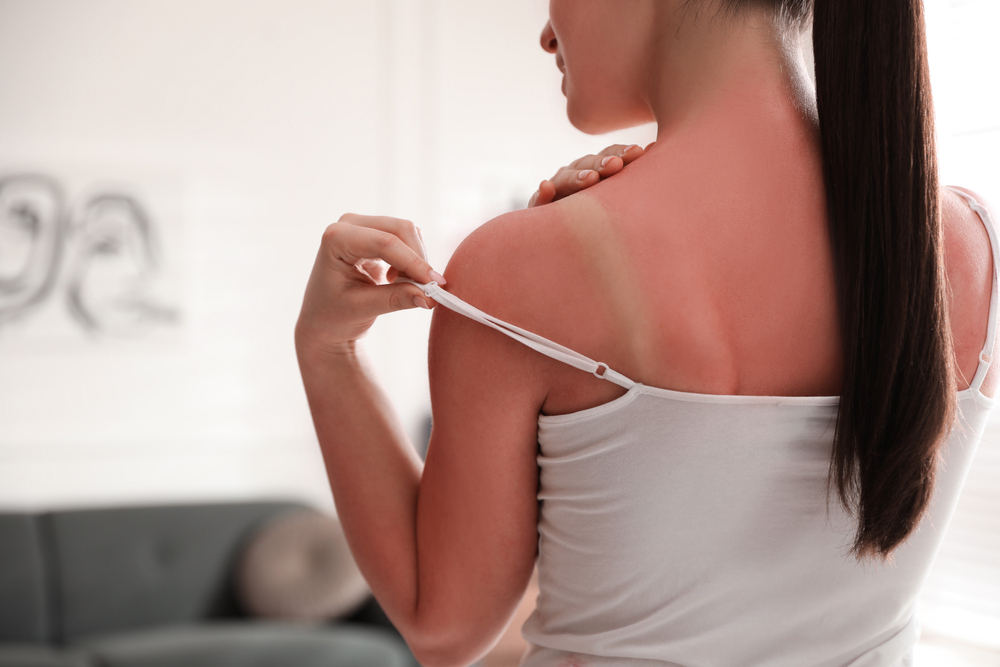
Data indicates that people under 50 in the U.S., Australia, and parts of Europe are experiencing stable or even declining rates of melanoma.
Older adults carry the burden
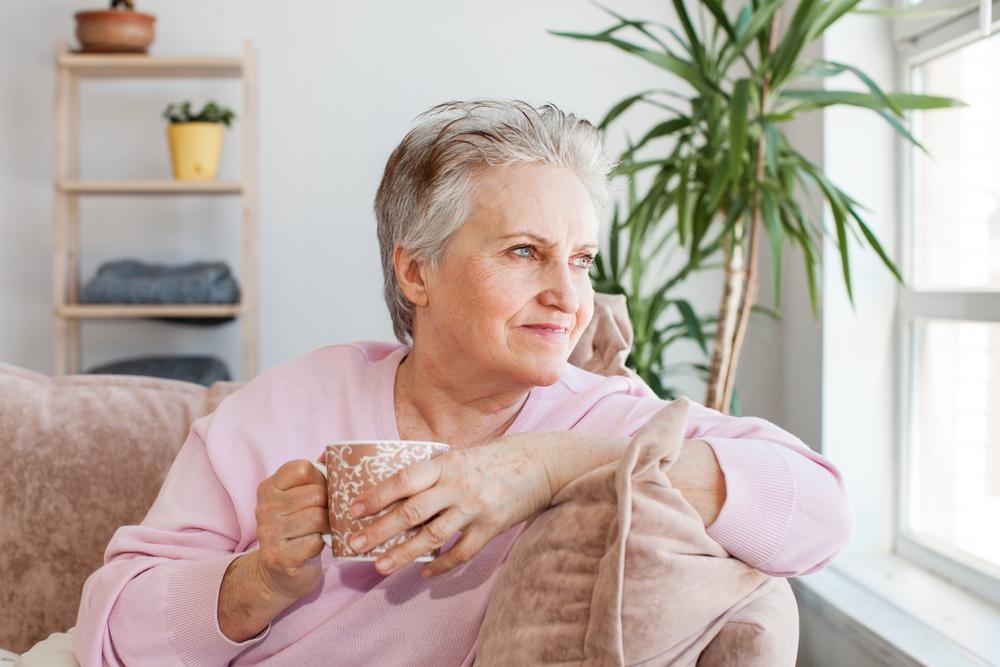
For Americans over 60, the risk remains significantly higher. Cumulative sun exposure over a lifetime continues to drive cancer rates upward in this group.
Also read: Stay fit and energized without ever leaving your home
Legacy of tanning culture
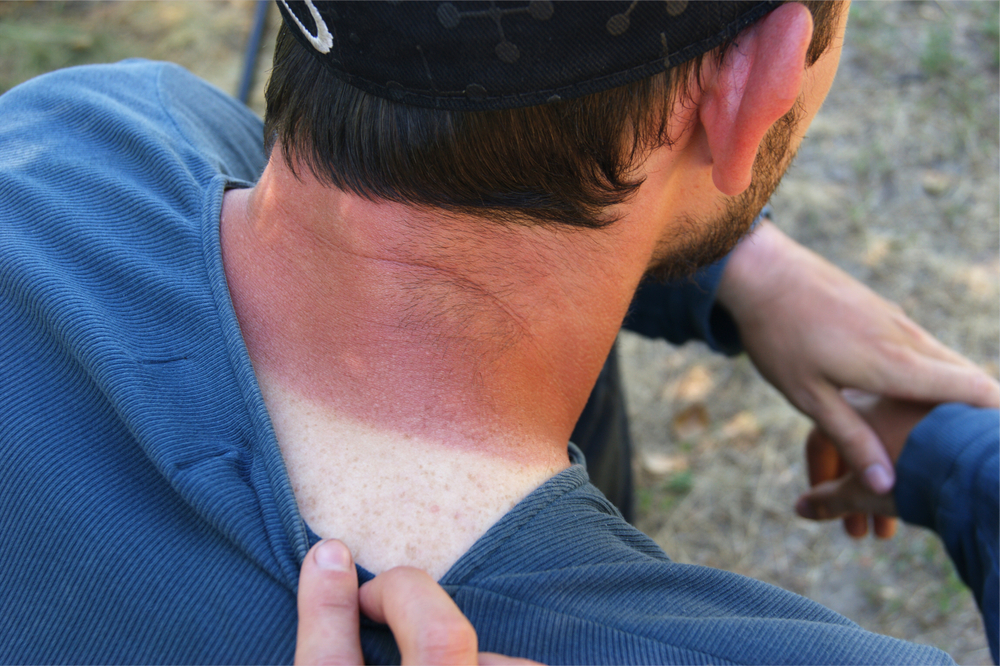
From the 1970s through the early 2000s, tanning beds and sunbathing without protection were widespread. The damage done decades ago is still showing up in today’s diagnoses.
Pandemic delays affected numbers
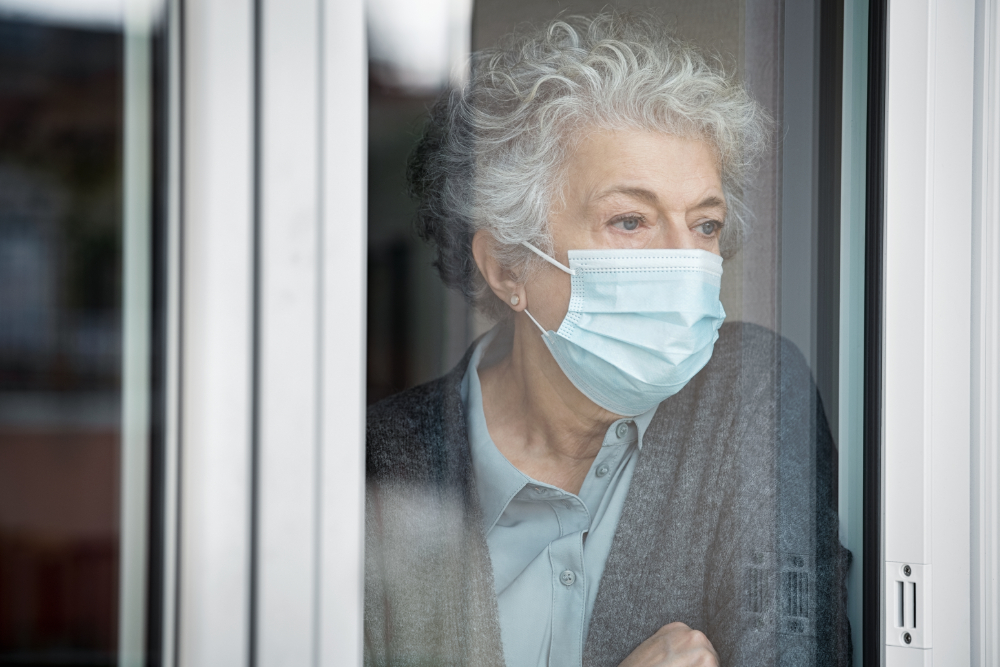
Experts caution that dips in melanoma diagnoses may partly reflect pandemic-related delays, when fewer people went to the dermatologist.
A global pattern

Similar trends have been reported in countries like Sweden, Norway, and Australia, where public health campaigns against tanning have been in place for years.
Tanning beds are back among U.S. teens
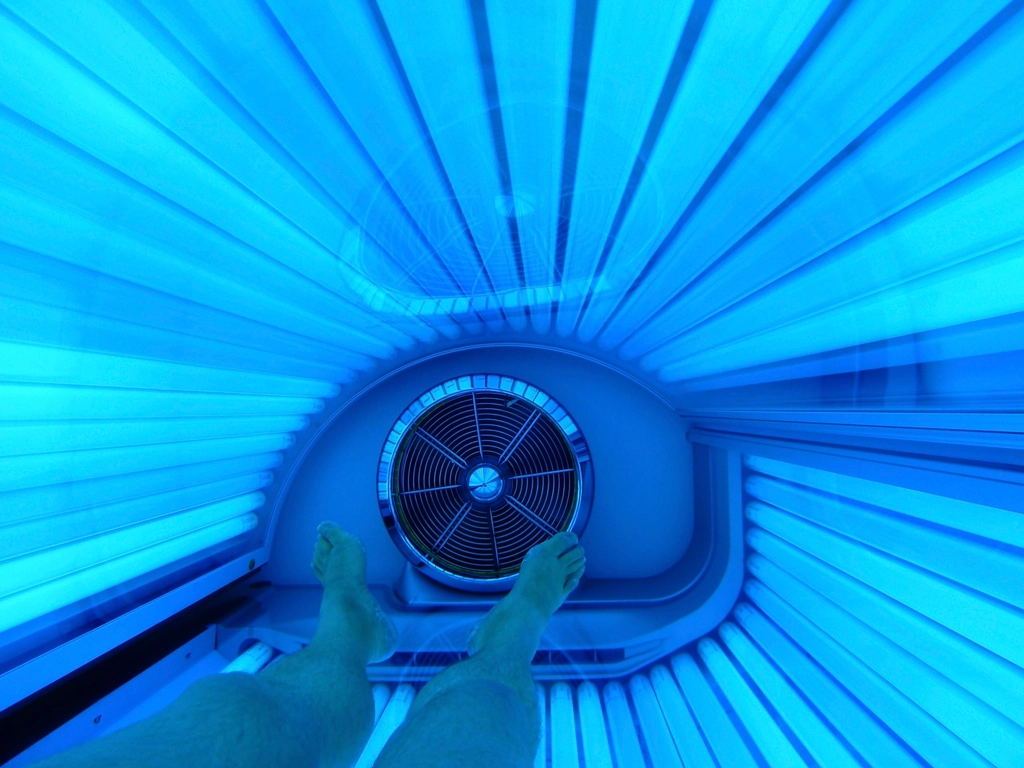
Despite awareness campaigns, indoor tanning has not disappeared. In the U.S., surveys show that tanning bed use is resurging among some high school and college students.
Also read: Avoid eating cheese if you’re taking these medications
Women face higher risk
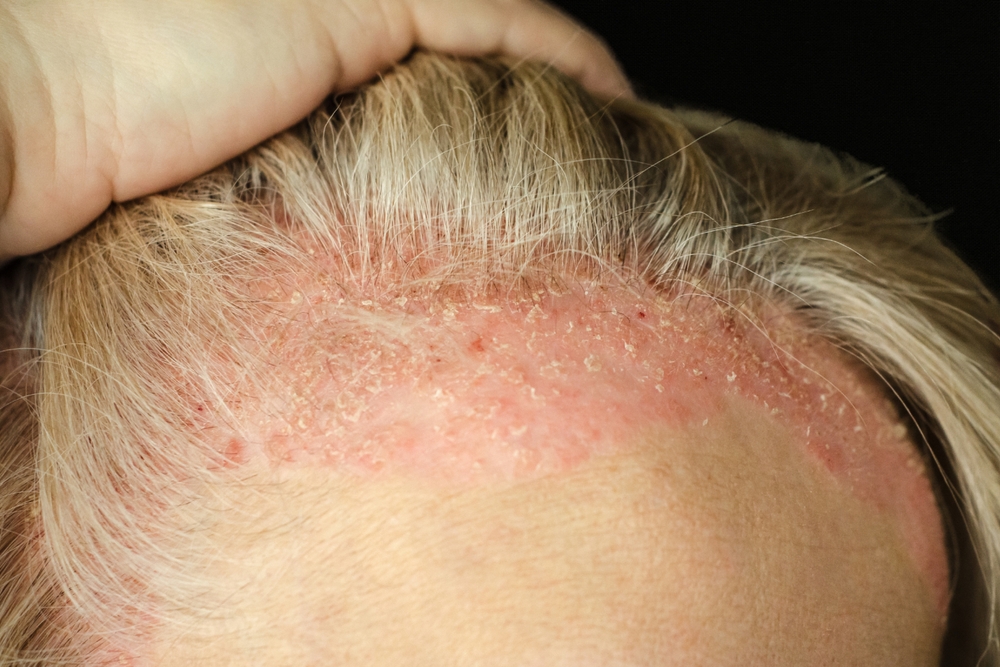
According to the American Cancer Society, women under 30 are more likely than men to be diagnosed with melanoma—a pattern seen in several Western nations.
Prevention is still key
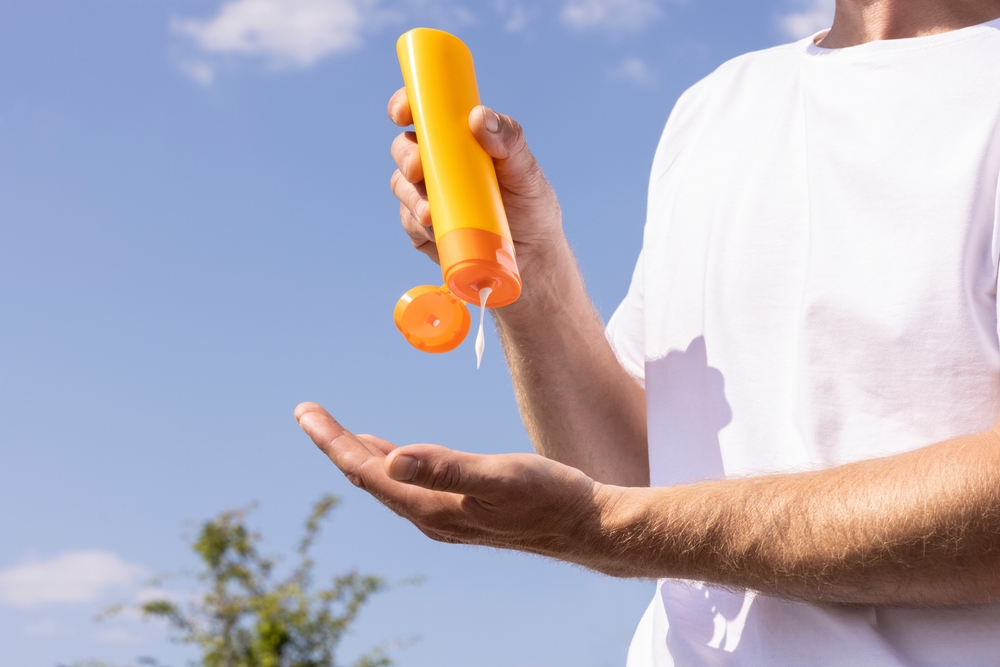
Dermatologists emphasize that sunscreen, protective clothing, and avoiding tanning beds remain the most effective ways to reduce melanoma risk.
Calls for stronger regulation

Health advocates in the U.S. continue to push for stricter age limits on tanning beds, following countries like Australia that have banned them outright.
This article is based on information from Videnskab
Also read: How quality sleep supports healthy weight loss
Also read: Your home’s air could be making you sick - here’s how to fix it
This article is made and published by Mie Hermansen, who may have used AI in the preparation.