
More people are turning to dietary supplements in hopes of easing depression symptoms.
Yet new research shows that only a few of these “natural” remedies have proven benefits.
Most supplements show no real effect
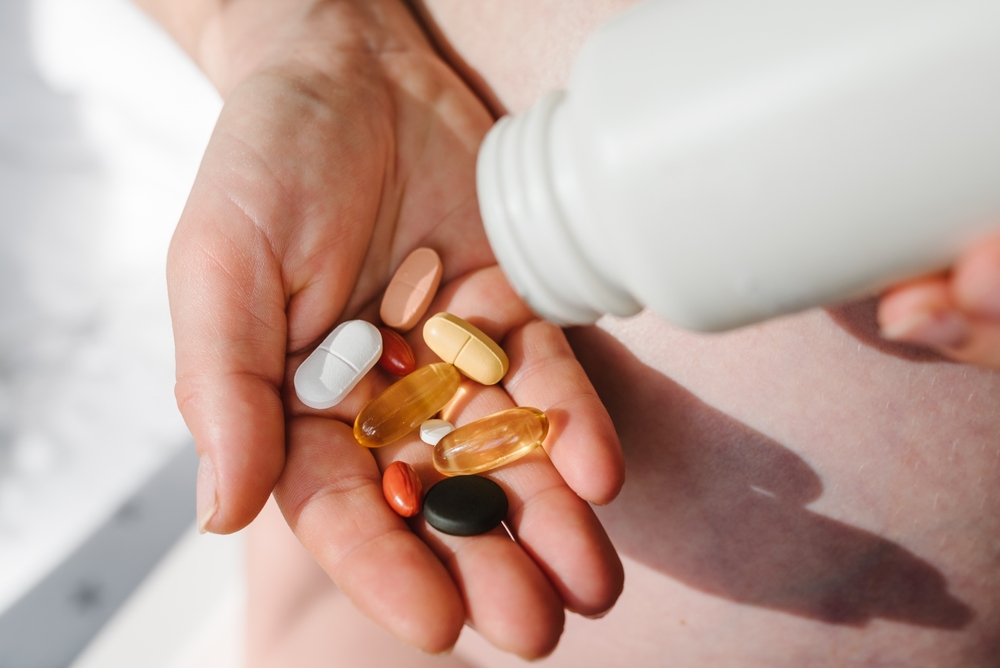
A comprehensive review concludes that the majority of supplements marketed for depression offer little to no measurable improvement.
Multivitamins and B vitamins fall short
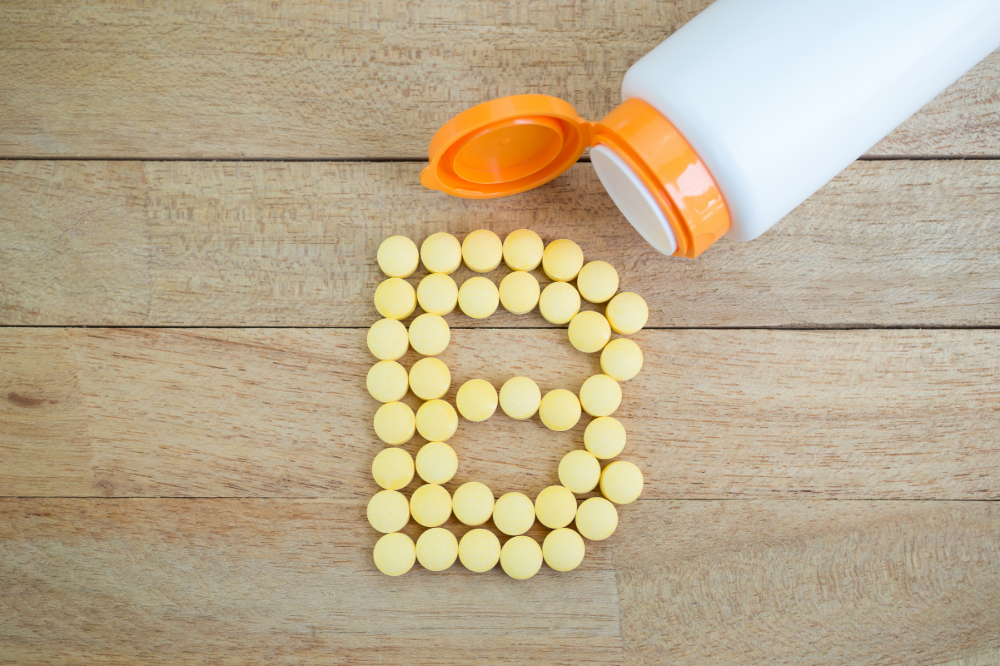
Although widely used, there isn’t enough scientific evidence to support claims that multivitamins or B vitamins help with depressive symptoms.
Also read: Top foods to support healthy blood sugar levels
Herbal blends and melatonin lack strong evidence
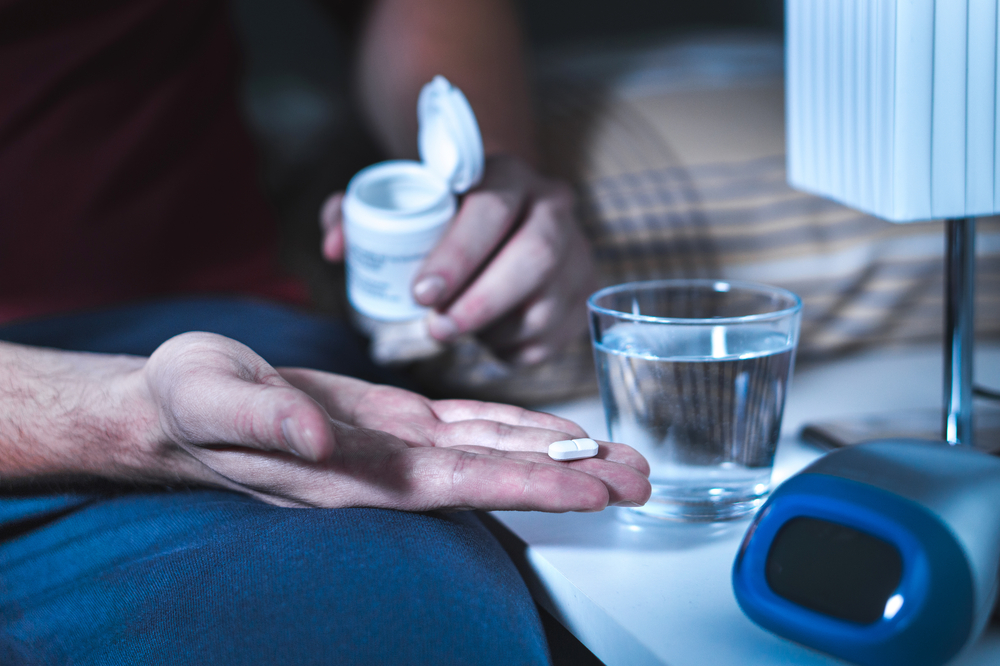
Calming herbal products and melatonin are popular choices, but current research is too limited to confirm their effectiveness.
Omega-3 offers only limited benefits
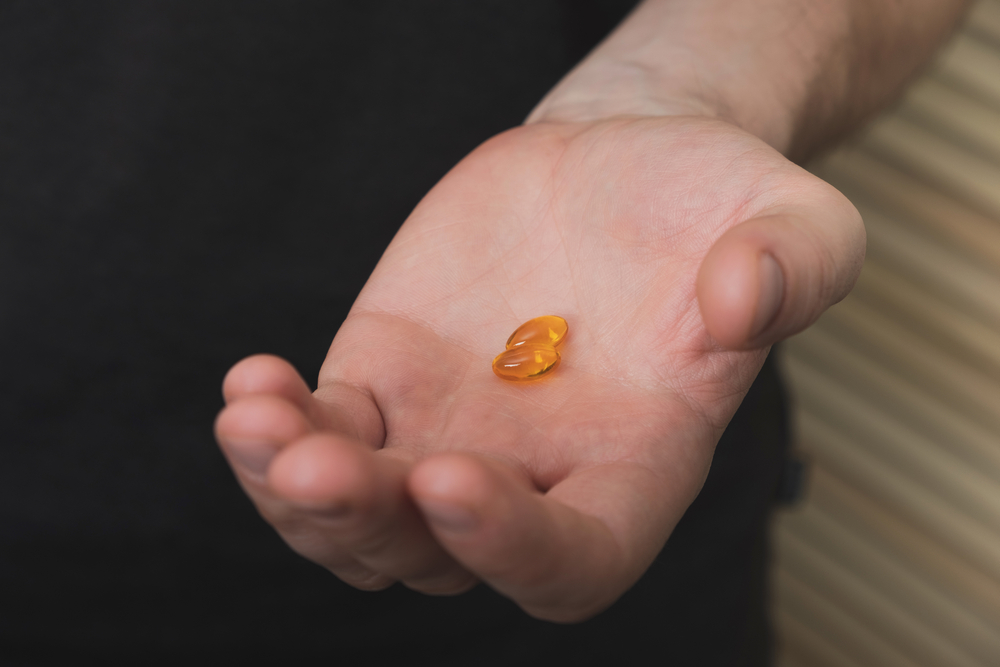
Despite its reputation for boosting mood, most studies find that omega-3 supplements do not produce significant improvements compared to placebos.
Some herbs show early signs of promise

Lavender, rhodiola, and lemon balm have shown encouraging effects in small studies, but the research base remains too small for firm conclusions.
Amino acids and micronutrients still under review
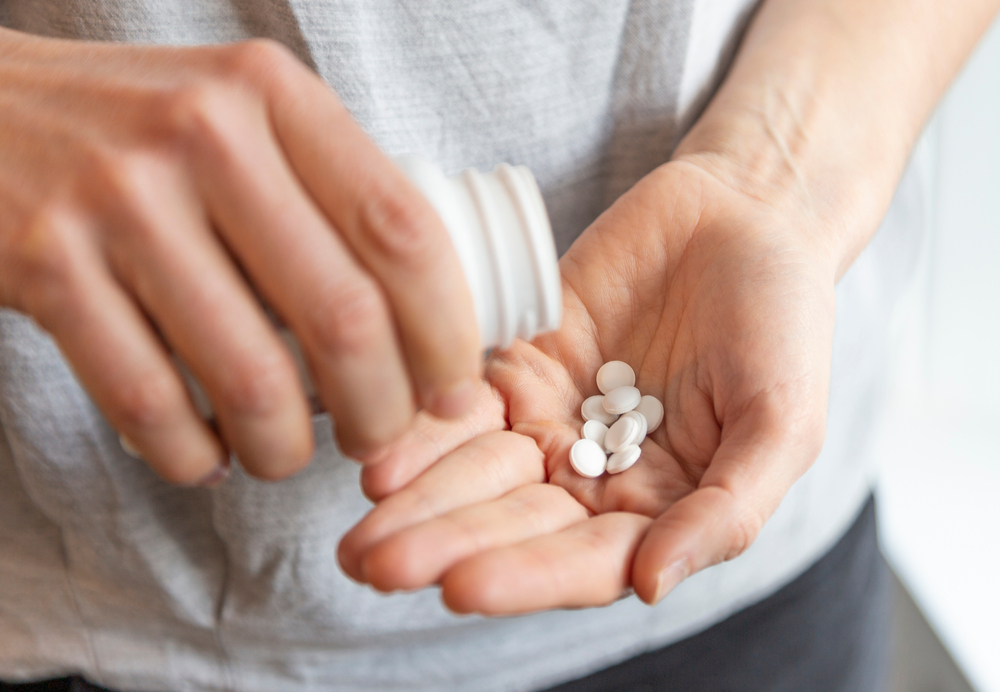
Tryptophan, folic acid, and zinc have shown positive signals in preliminary research, though large-scale trials are needed to verify their impact.
Also read: This is what happens to your body if you eat coriander every day
St. John’s Wort shows the strongest evidence

Among all supplements studied, St. John’s Wort has demonstrated the clearest effect, particularly for mild to moderate depression, though it can interact dangerously with prescription medications.
Probiotics may support mood improvement
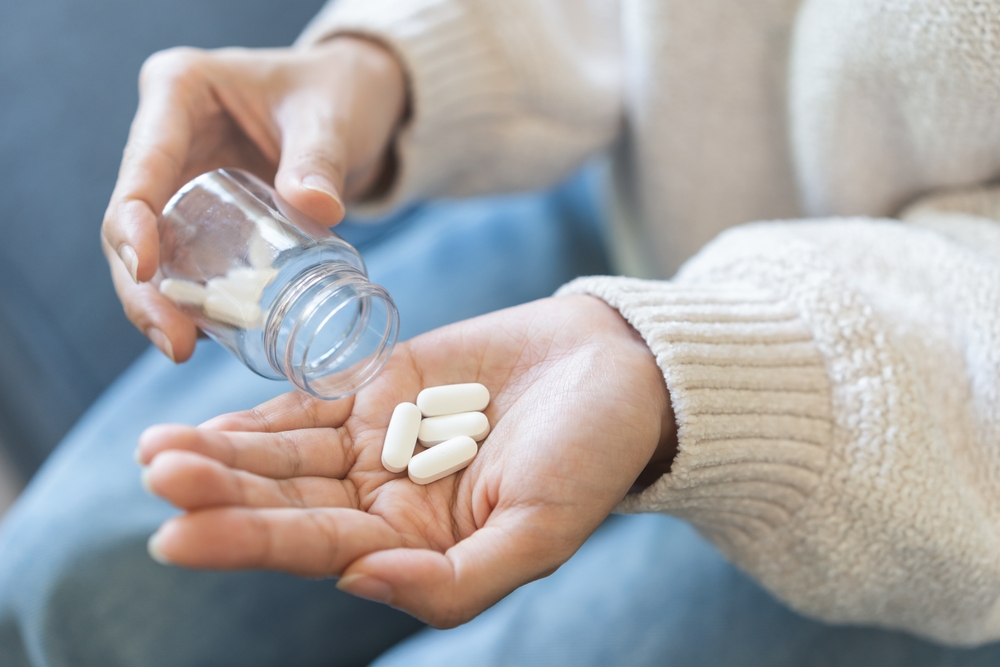
Roughly half of all probiotic studies report reduced depressive symptoms, especially when taken alongside standard treatments.
Vitamin D can make a noticeable difference

Several trials suggest that high-dose vitamin D taken for eight weeks can significantly reduce depression scores in those with mild to moderate symptoms.
Belief plays a role in perceived results
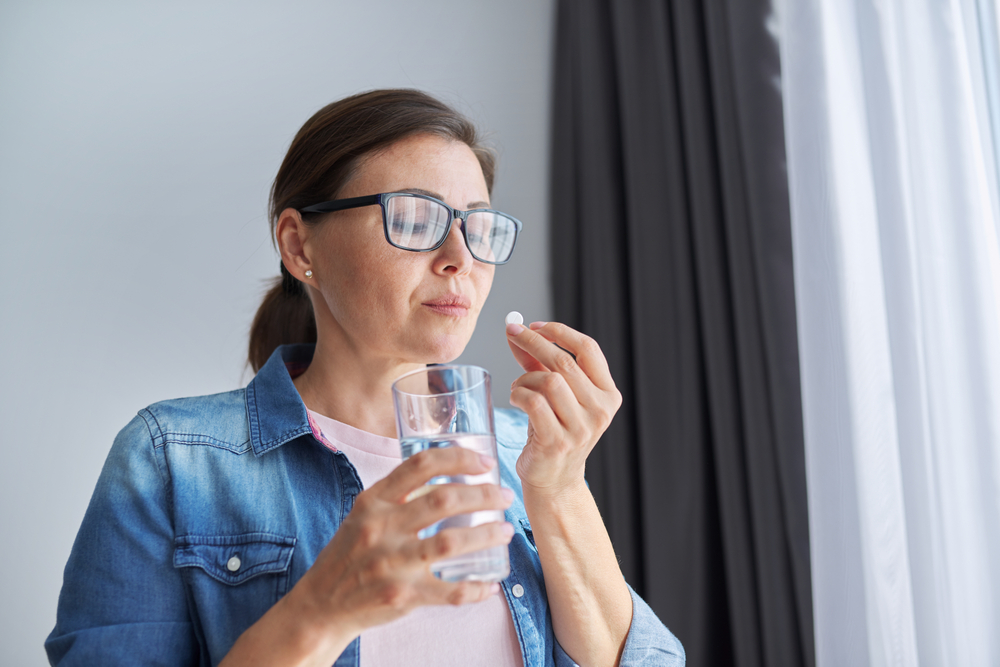
Expectations matter, simply believing that a supplement works can influence outcomes, highlighting the strong role of the placebo effect in mental health.
Also read: How to keep your friendship strong for life with one simple principle
Lack of regulation raises safety concerns
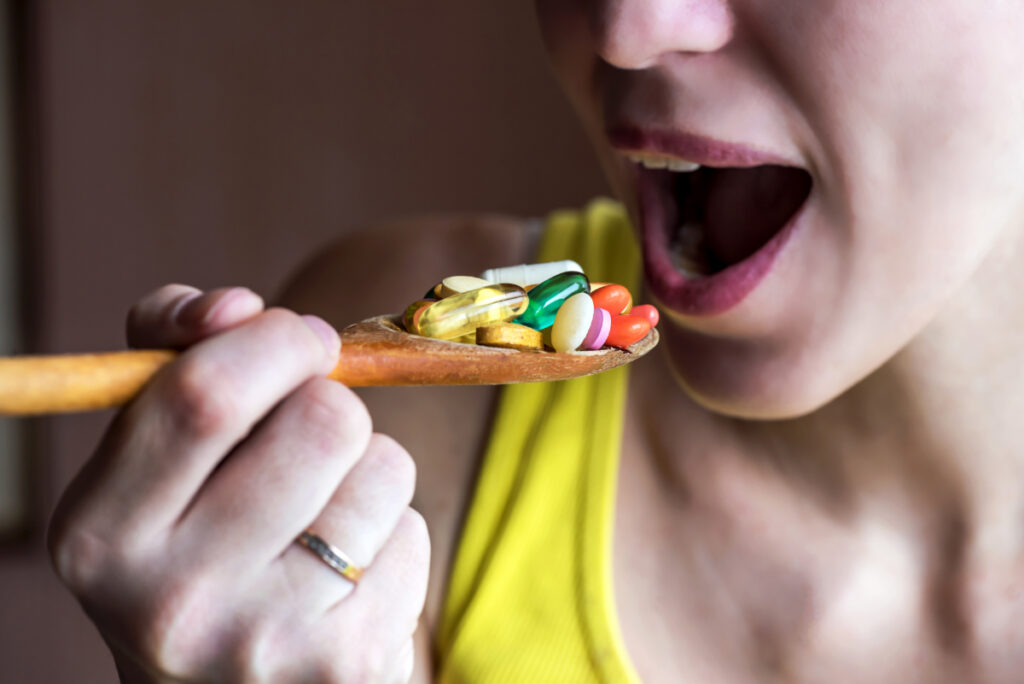
Supplements aren’t regulated like medicines, which can lead to inconsistent quality, incorrect dosages, and undeclared ingredients.
Always consult a doctor before taking supplements

Even natural products can pose risks, particularly when combined with prescription drugs. Professional medical advice is essential before starting any new supplement.
This article is based on information from National Geographic.
Also read: Half a million children die every year – here’s how it can be prevented
Also read: Dentists share the habits that frustrate them most
This article is made and published by Ida-Marie Palm Varbæk, who may have used AI in the preparation.