
Coriander is used around the world both as a spice and as a traditional medicinal herb.
It contains many nutrients and bioactive compounds that may have positive effects on the body, though most research is still in its early stages.
Antioxidant properties
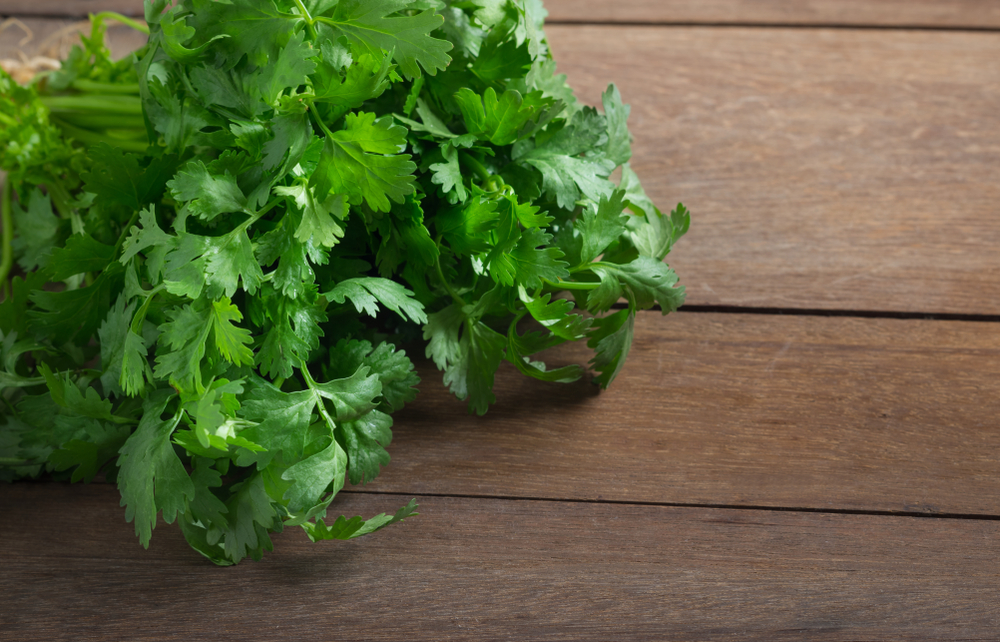
Coriander contains several antioxidants that help fight free radicals and protect the body’s cells.
These antioxidants can support immune function, reduce inflammation, and have neuroprotective effects.
Also read: How to keep your friendship strong for life with one simple principle
However, most existing studies have been conducted on animals or in laboratories.
May support heart health

Coriander leaves contain flavonoids that act as antioxidants and may help relax blood vessels by inhibiting the ACE enzyme.
This can lead to lower blood pressure, but more human studies are needed to confirm this potential benefit.
May reduce anxiety

Coriander has long been used in traditional medicine to help relieve anxiety.
Also read: Half a million children die every year – here’s how it can be prevented
Preliminary research suggests it may have calming effects by influencing areas of the brain involved in negative emotions.
Human studies are still needed before coriander can be recommended for this purpose.
May protect the skin

Laboratory studies show that coriander can increase the production of procollagen type 1, a precursor to collagen in the skin.
It may also strengthen the dermal layer and reduce free radicals that contribute to sun damage.
Also read: Dentists share the habits that frustrate them most
Coriander essential oil has shown potential for reducing photoaging, mainly due to its active compound, linalool.
Distinct flavor and aroma

Coriander has a strong, sweet, and aromatic scent. Its flavor is often described as earthy, citrusy, and slightly sweet, though people may perceive it differently.
How to use coriander in your diet

Both seeds and leaves can be used as seasoning. Ground coriander enhances flavor, while whole seeds add texture.
Fresh leaves can be sprinkled over soups, salads, or smoothies, and coriander may also serve as a natural food preservative.
Also read: Top foods rich in vitamin B12 and how to get enough
How to store coriander

Keep ground coriander and seeds in a cool, dry place away from direct sunlight.
Fresh leaves should be stored in the refrigerator, loosely covered with a plastic bag or placed in an airtight container.
Discard coriander if it loses freshness or has expired.
Allergic reactions

Although rare, coriander allergies can occur. Individuals allergic to plants in the Apiaceae family should avoid using it.
Also read: New test can predict cancer a decade before the diagnosis
Caution with medications

Because coriander may lower blood pressure and blood sugar levels, it should be used carefully by people taking medications for these conditions to avoid excessive lowering effects.
Interaction with sedatives

Some studies indicate that coriander may have a mild sedative effect similar to Valium.
For this reason, combining coriander with sedative medications may increase drowsiness.
More research is needed

While coriander shows promising health benefits, most evidence comes from lab and animal research. More human studies are needed to confirm its potential effects.
This article is based on information from Verywell Health.
This article is made and published by Ida-Marie Palm Varbæk, who may have used AI in the preparation.