
A new ultra-sensitive blood test may identify HPV-related head and neck cancers up to ten years before symptoms appear.
This breakthrough could transform cancer screening and enable earlier, less invasive treatments that save lives.
The hidden risk of HPV

Human papillomavirus (HPV) is responsible for about 70 percent of head and neck cancer cases in the United States, and the number continues to rise each year.
Lack of early detection

Unlike cervical cancer, there is currently no routine screening that can detect HPV-related head and neck cancers before symptoms develop.
Also read: Avoid eating licorice if you’re taking these medications
What is HPV-DeepSeek?
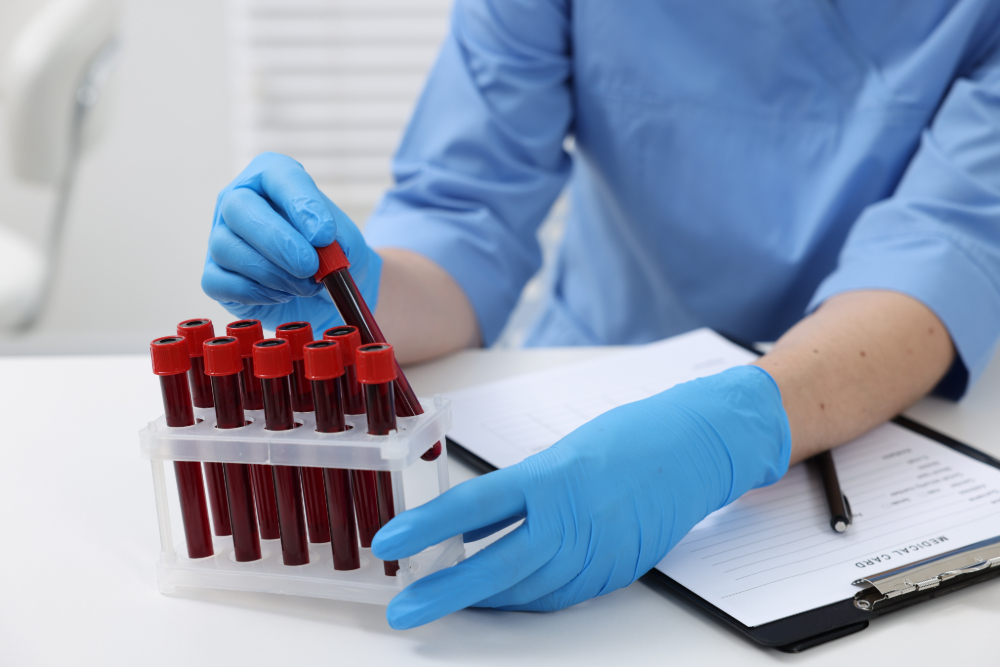
HPV-DeepSeek is a new blood test developed by researchers at Mass General Brigham that can detect HPV-related cancers many years before the disease becomes symptomatic.
Why the test is groundbreaking

The test can identify cancer early enough for treatment to begin before the tumor grows to billions of cells and spreads to nearby lymph nodes.
The test’s accuracy

HPV-DeepSeek uses whole-genome sequencing to identify tiny fragments of HPV DNA circulating in the bloodstream.
The test has demonstrated 99 percent sensitivity and specificity.
Also read: Common household items that harm your air quality
How the researchers tested the method

The team analyzed 56 blood samples, 28 from individuals who later developed HPV-related head and neck cancer and 28 from healthy control participants.
Results of the study

HPV-DeepSeek detected HPV tumor DNA in 22 out of 28 samples from people who later developed cancer, while all 28 control samples tested negative.
The earliest detection

The earliest positive blood sample was collected 7.8 years before diagnosis, proving the test’s ability to detect cancer nearly a decade in advance.
Use of artificial intelligence

Using machine learning, the researchers enhanced the test’s accuracy so it correctly identified 27 out of 28 cancer cases, including samples collected up to 10 years before diagnosis.
Also read: Three cheap foods that can ease your constipation
Statement from the lead author

According to Dr. Daniel L. Faden, the study shows that HPV-related cancers can be detected in asymptomatic individuals many years before diagnosis, potentially improving survival and quality of life.
Next steps in the research

The findings are now being validated in a larger NIH-funded study using hundreds of blood samples from the National Cancer Institute’s Prostate, Lung, Colorectal, and Ovarian Cancer Screening Trial (PLCO).
This article is based on information from Science Daily.
Also read: Doctor’s guide: Simple morning habits to reset your gut
Also read: Why cottage cheese deserves a spot in your diet
This article is made and published by Ida-Marie Palm Varbæk, who may have used AI in the preparation.