
Even if your home smells clean and fresh, the air you breathe may still be filled with hidden pollutants.
Here’s what could be affecting your indoor air quality and your health.
Your walls, floors, and furniture
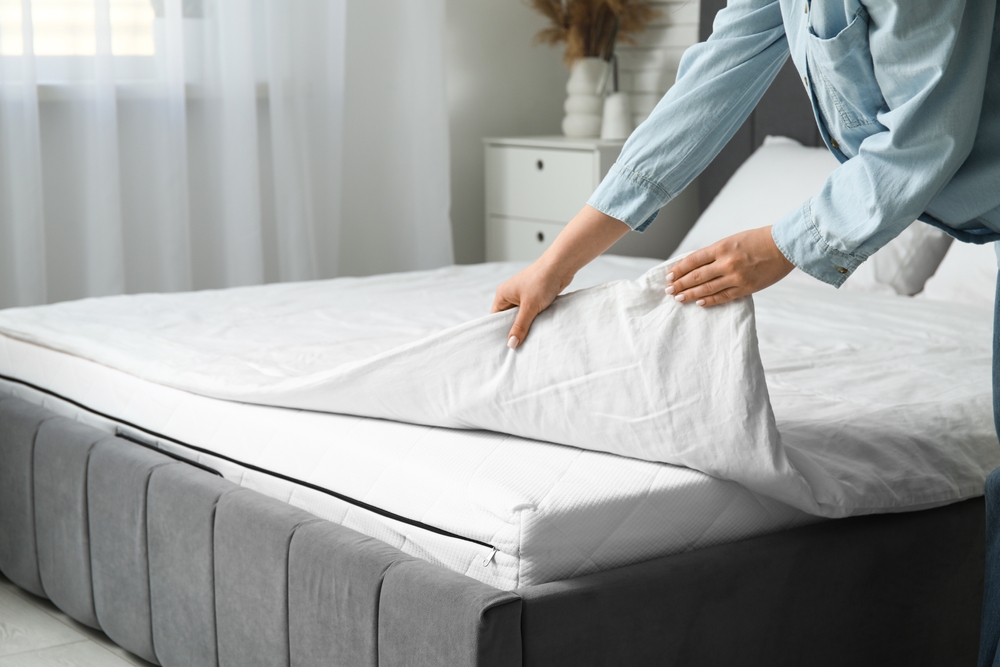
New furniture, paint, and flooring can release volatile and semi-volatile organic compounds that pollute your air.
These chemicals, such as flame retardants in mattresses, can linger for years and settle on surfaces throughout your home.
Also read: Three cheap foods that can ease your constipation
Gas stoves

Gas stoves emit ultrafine particles and nitrogen dioxide, which can travel to the brain and increase the risk of neurological disorders.
They have also been linked to a higher risk of asthma in children.
Candles and other scented products
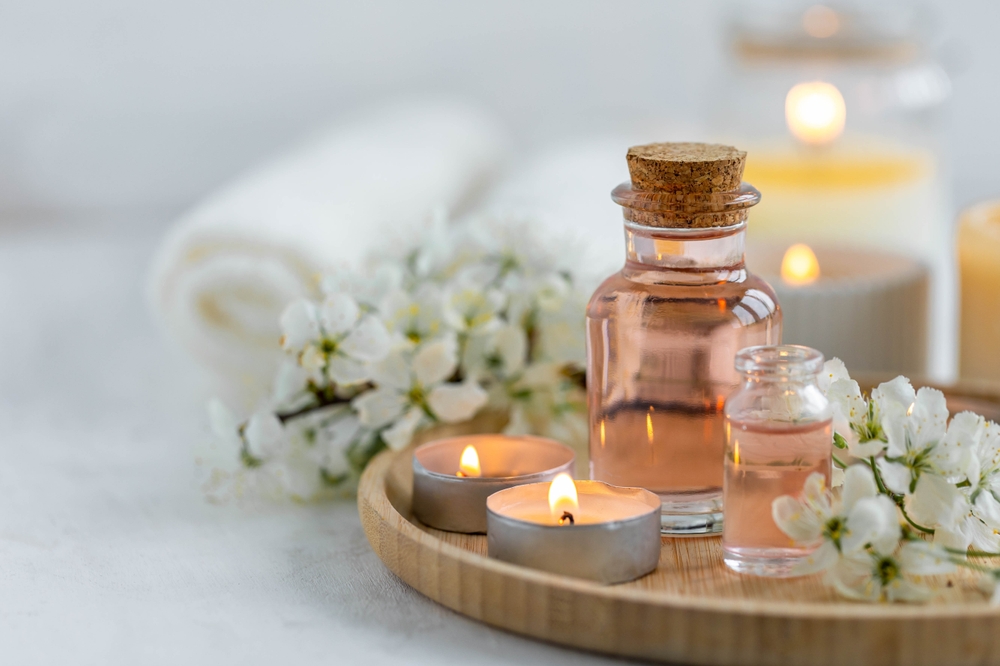
Candles and scented products don’t just spread pleasant smells, they also release volatile compounds and ultrafine particles.
Even a few minutes of burning can raise particle levels in the air and alter the types of bacteria present. Incense is even worse and has been linked to cancer.
Also read: Doctor’s guide: Simple morning habits to reset your gut
Outdoor air pollution
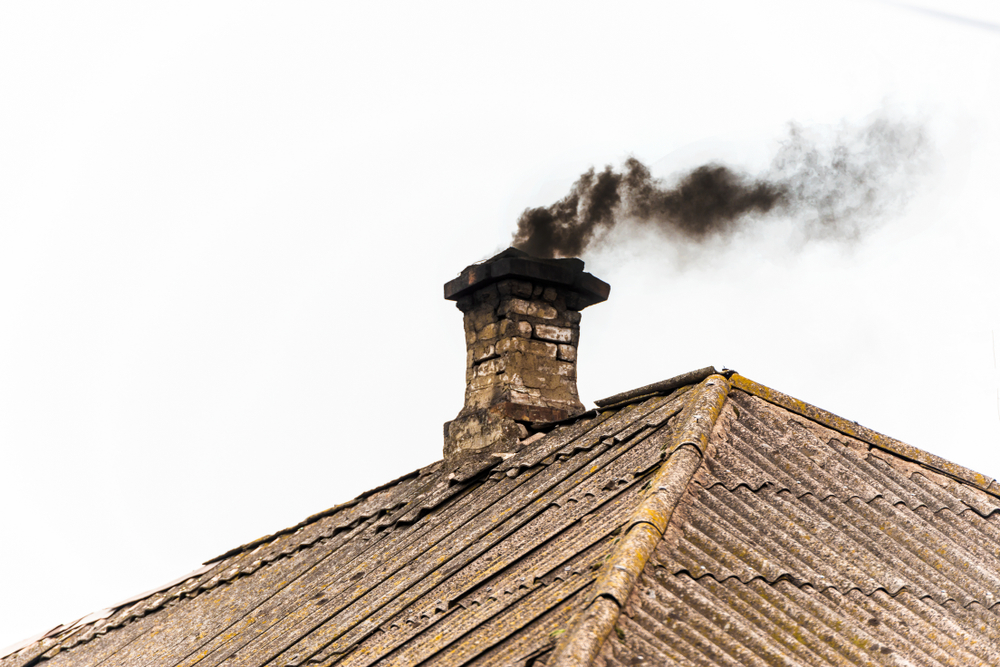
Outdoor pollutants such as smoke, smog, car exhaust, and wildfire particles can enter your home and lower indoor air quality.
What happens outside doesn’t always stay outside.
Cleaning products
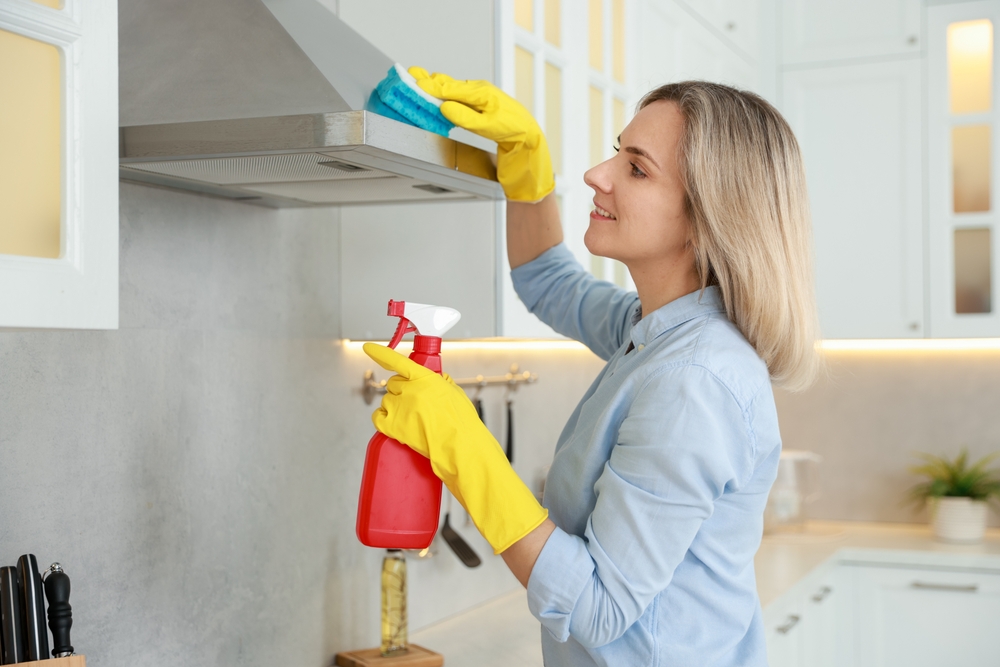
Even cleaning products labeled “natural” can release volatile and semi-volatile compounds.
Harsh chemicals aren’t the only culprits, mild and plant-based products can also contribute to indoor pollution.
Also read: Why cottage cheese deserves a spot in your diet
Chemicals in your garage

If your home has an attached garage, harmful chemicals can seep into your living space.
Gasoline, for instance, releases benzene, a carcinogen linked to leukemia. Experts recommend storing such materials in an outdoor shed instead.
Mold, viruses, and bacteria
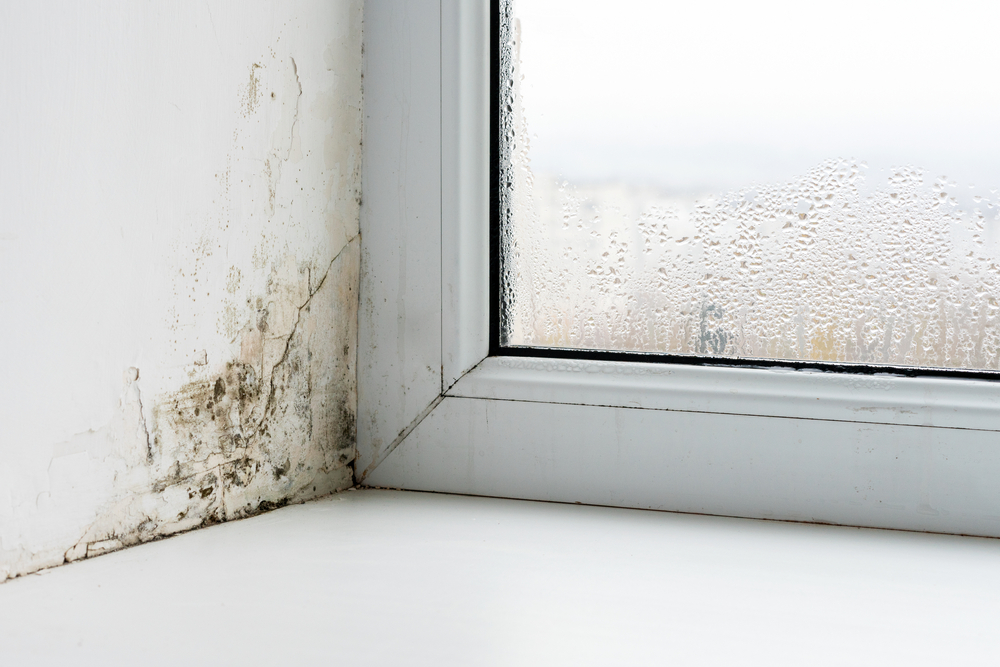
Airborne mold, bacteria, and viruses can easily spread indoors, especially in humid areas or when someone in the household is ill.
It’s not enough to clean surfaces, the air itself can carry these particles.
Also read: These foods can interfere with your medicine
Fireplaces
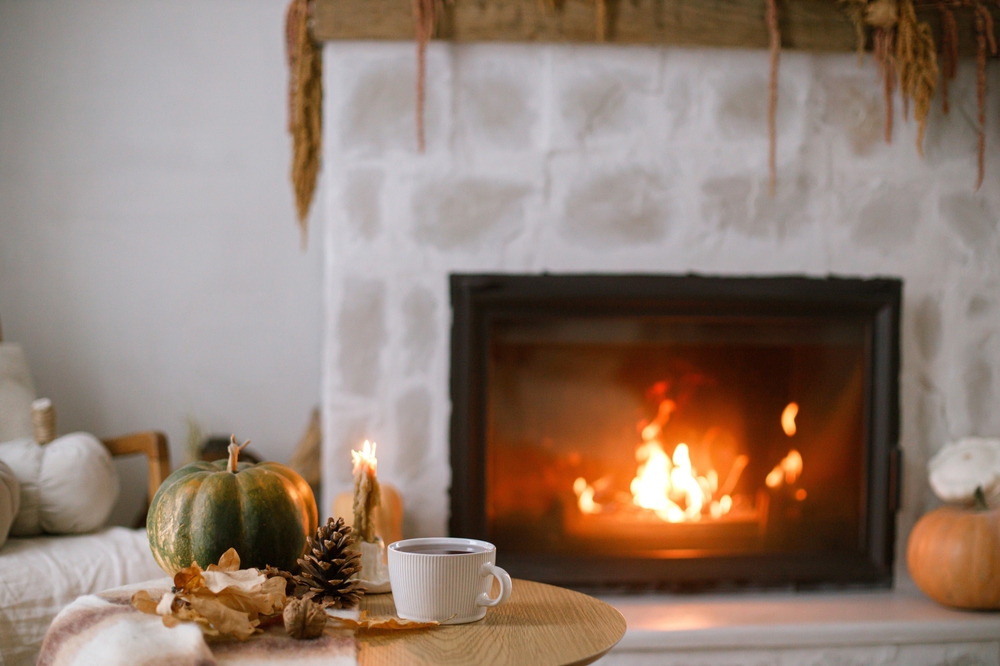
That cozy fireplace may feel comforting, but it also releases particulate matter and carbon monoxide.
Both can lower air quality and pose health risks, especially in enclosed rooms.
Pets and flowers

Natural doesn’t always mean harmless.
Pet dander, human skin flakes, and pollen from flowers like daisies, sunflowers, and asters can all circulate in the air and trigger allergies.
Also read: How to relieve stress in just 10 minutes, according to experts
Ways to improve your indoor air
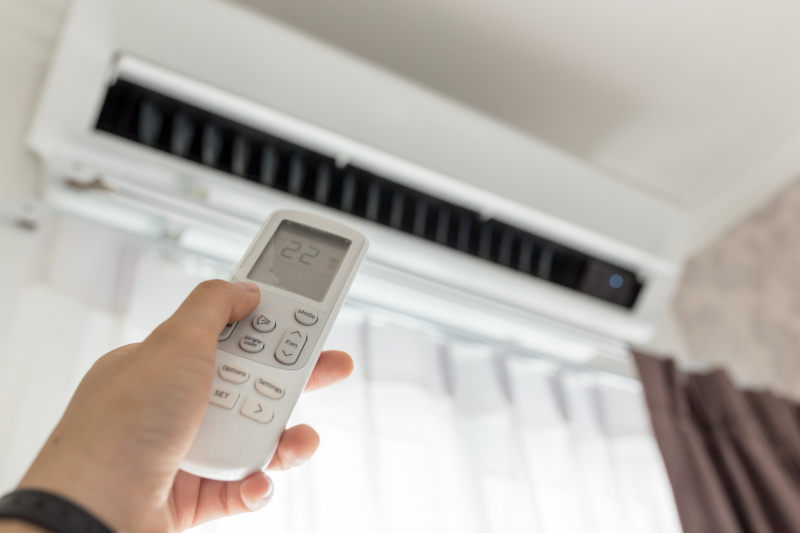
Ventilate your home regularly, use fans and air purifiers, and choose natural, low-emission products whenever possible.
Limit your use of fragrances and clean with a damp cloth to prevent harmful particles from being stirred back into the air.
Use air purifiers

A quality air purifier can remove dust, bacteria, and toxic gases. Avoid models that produce ozone, and choose ones with high clean air delivery rates.
This article is based on information from Real Simple.
This article is made and published by Ida-Marie Palm Varbæk, who may have used AI in the preparation.