
Vitamin C is often linked to fruit, but vegetables play a central role in meeting daily needs. When viewed together, these foods show how routine meals can support immunity, cell protection, and overall nutrition, especially when preparation is considered.
Kale
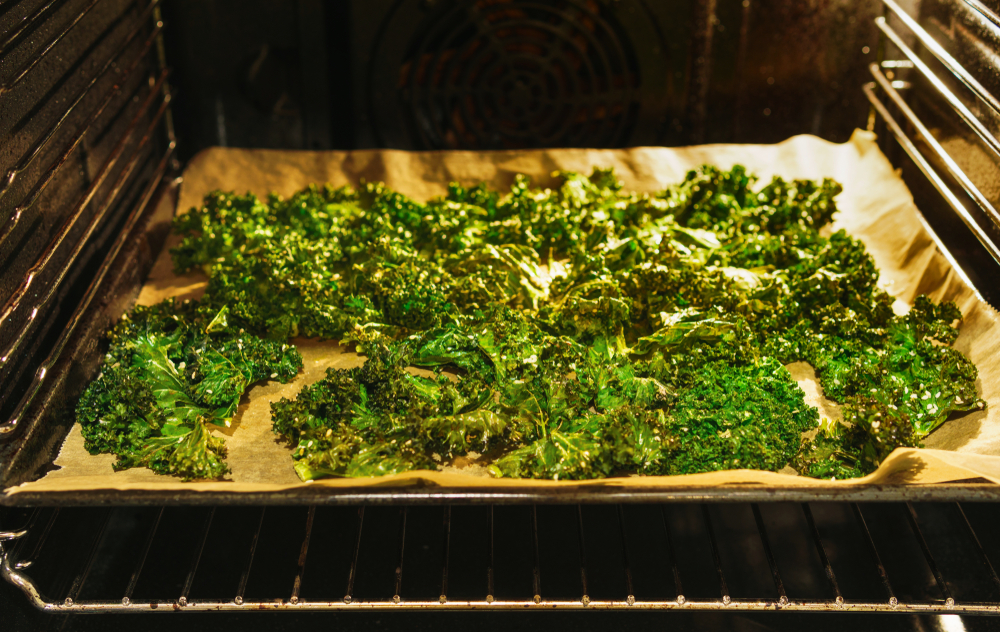
Kale contributes vitamin C alongside vitamins A and K, supporting bone and eye health. Its strength lies in combining several nutrients in one leafy green rather than delivering just a single benefit.
Potatoes
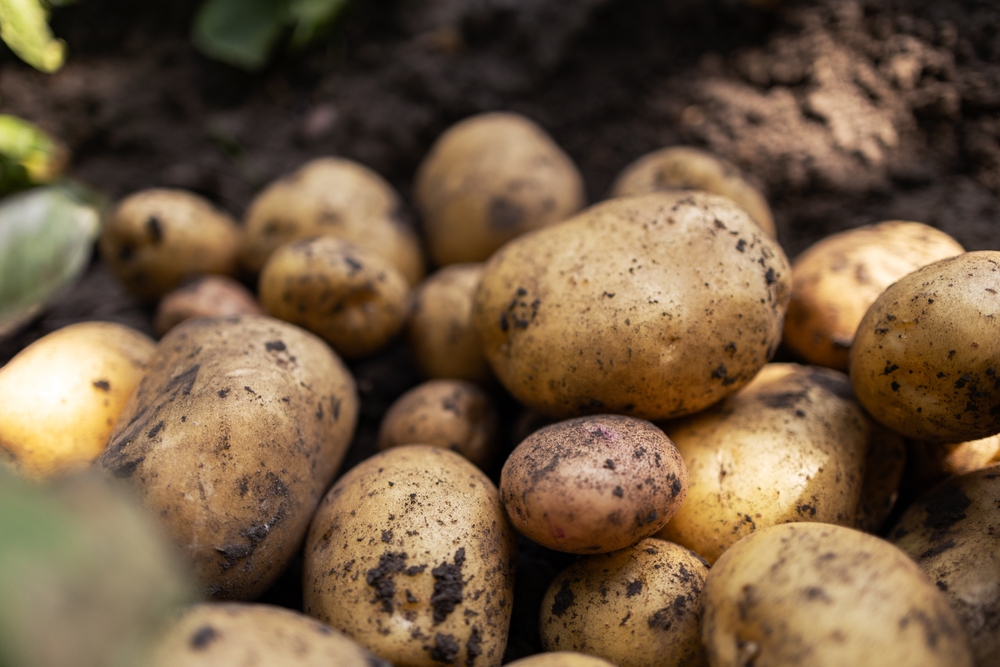
Often overlooked, white potatoes still cover a meaningful portion of daily vitamin C needs. How they are cooked matters, as gentler methods help preserve more of the vitamin.
Red cabbage
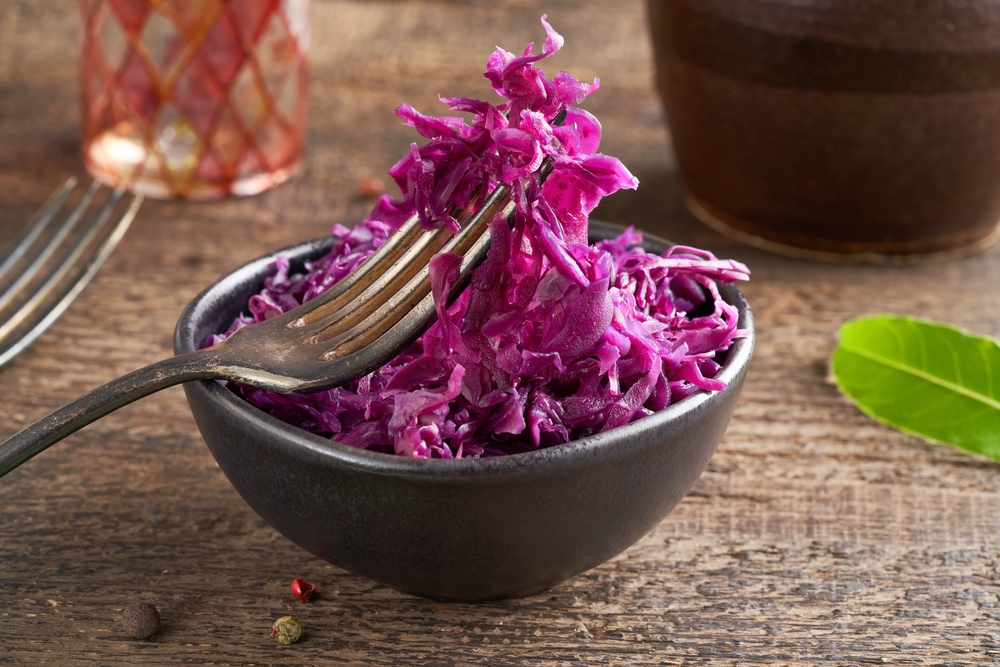
Red cabbage pairs vitamin C with antioxidants that protect cells from damage. Its deep color reflects plant compounds that complement vitamin C’s role in the body.
Also read: Study: Ketogenic diet shows short-term effect in treatment-resistant depression
Spinach
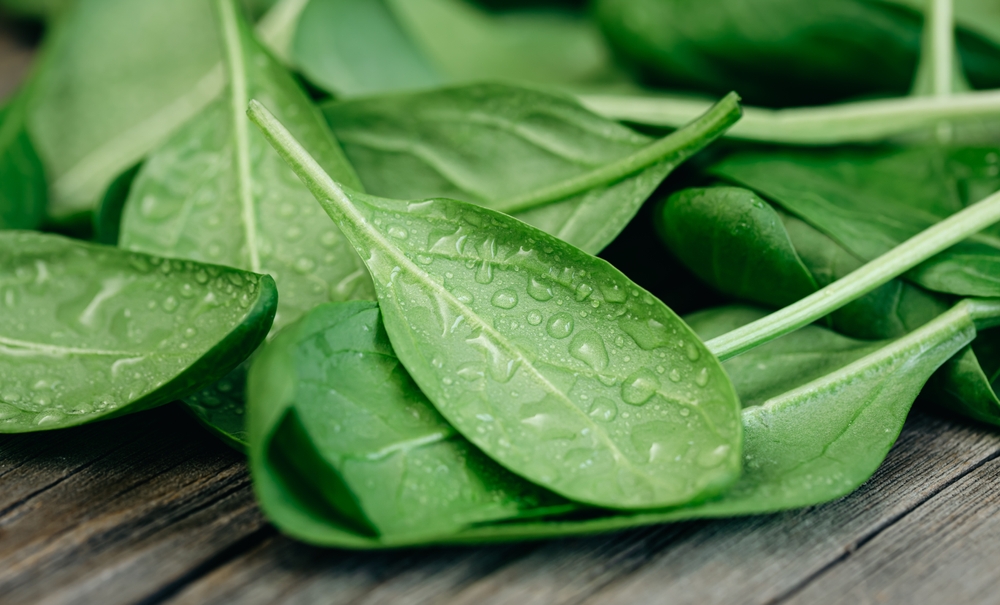
Spinach provides a smaller share of vitamin C but adds a wide mix of other vitamins and minerals. Its value is cumulative, contributing to overall balance across meals.
Red bell peppers

Red bell peppers are one of the most efficient vegetables for reaching daily vitamin C needs quickly. Eating them raw helps maintain their naturally high levels.
Cauliflower
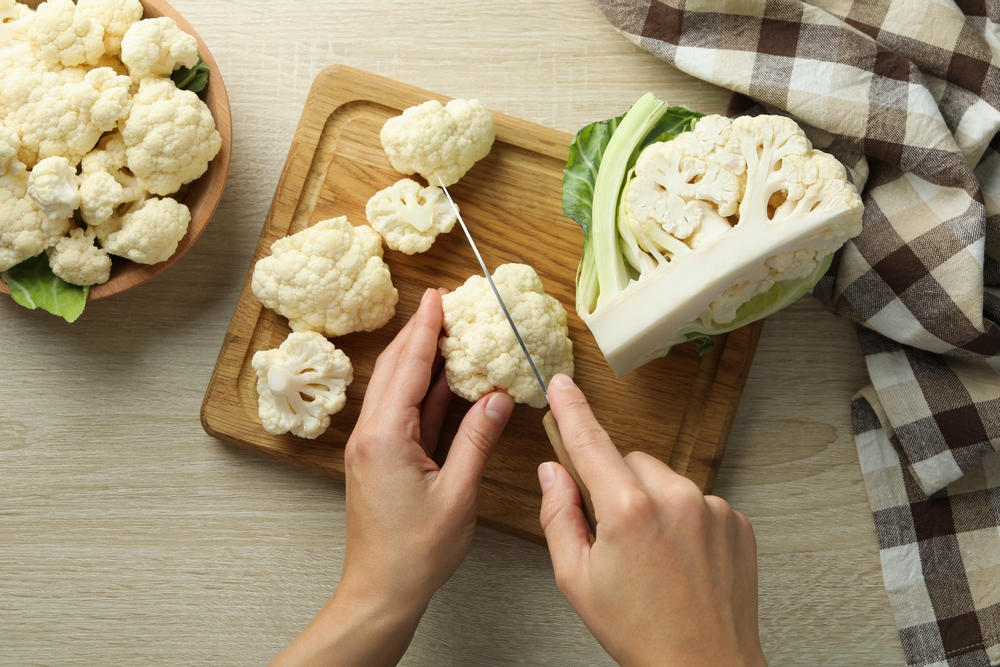
Cauliflower offers vitamin C with very few calories. Its mild taste makes it easy to use in place of heavier ingredients while still adding nutritional value.
Tomatoes
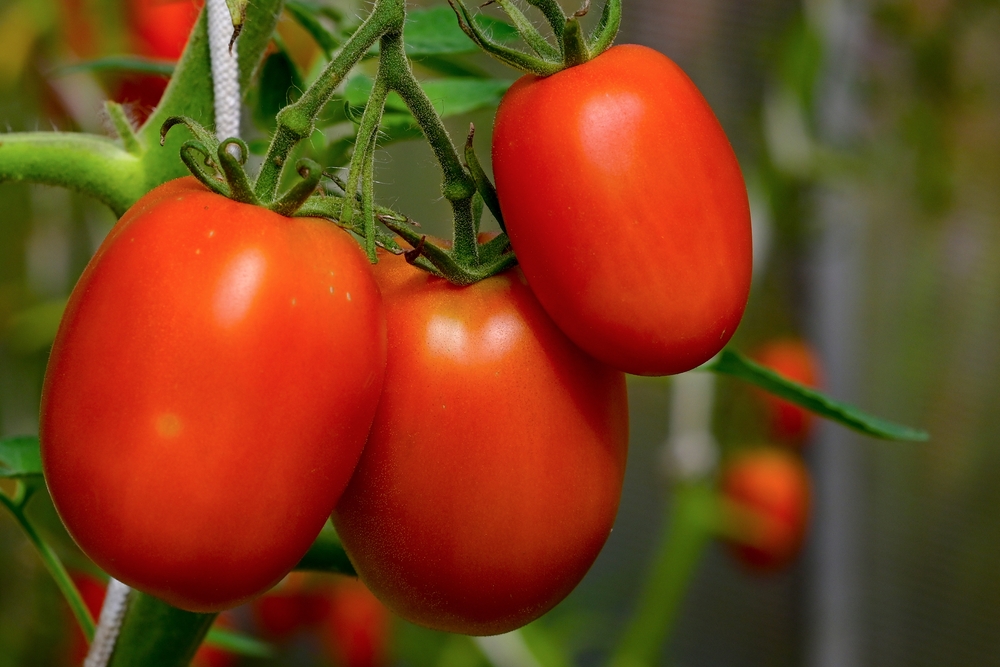
Tomatoes supply a steady contribution of vitamin C and fit easily into many dishes. Their versatility makes them a reliable everyday source rather than an occasional boost.
Also read: Late eating undermines benefits of time-restricted diets, study finds
Brussels sprouts
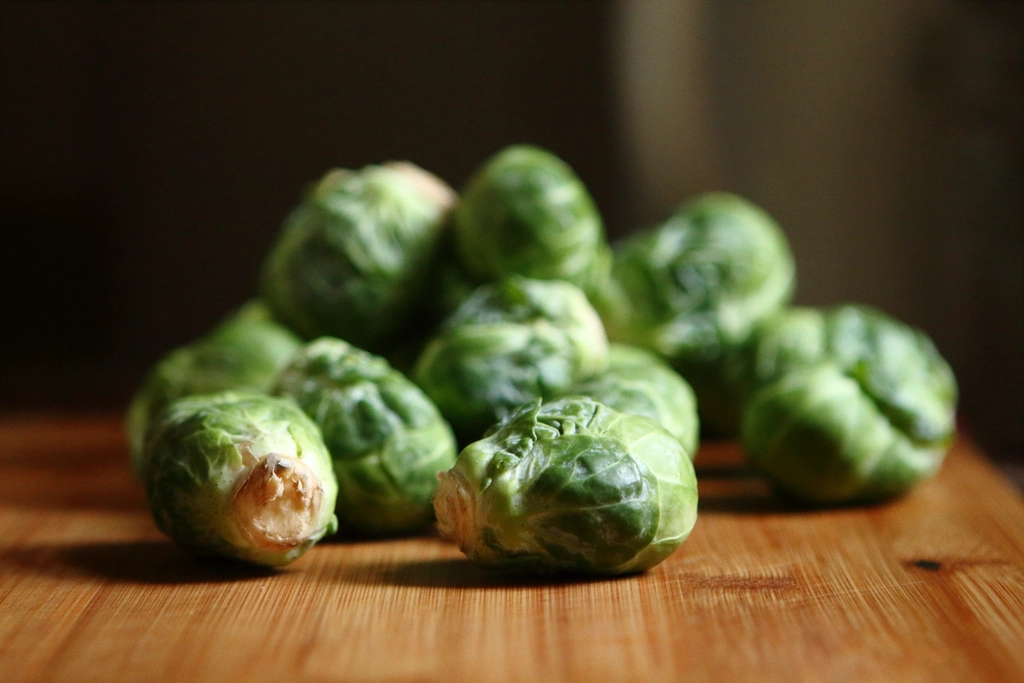
Brussels sprouts are especially rich in vitamin C before cooking. This highlights how preparation choices can significantly affect nutrient intake.
Sweet potatoes
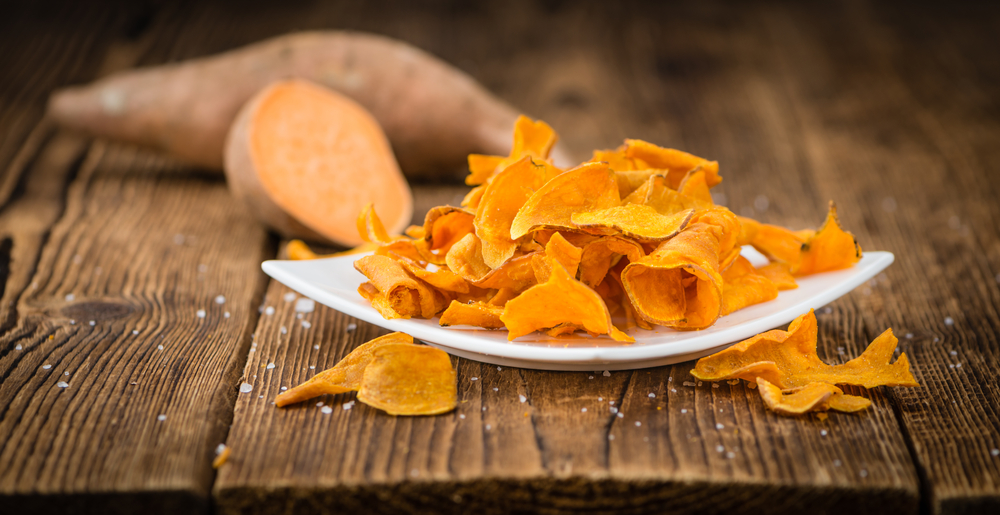
Sweet potatoes provide vitamin C together with vitamin A. This combination supports both immune defenses and eye health, showing how nutrients often work together.
Green bell peppers
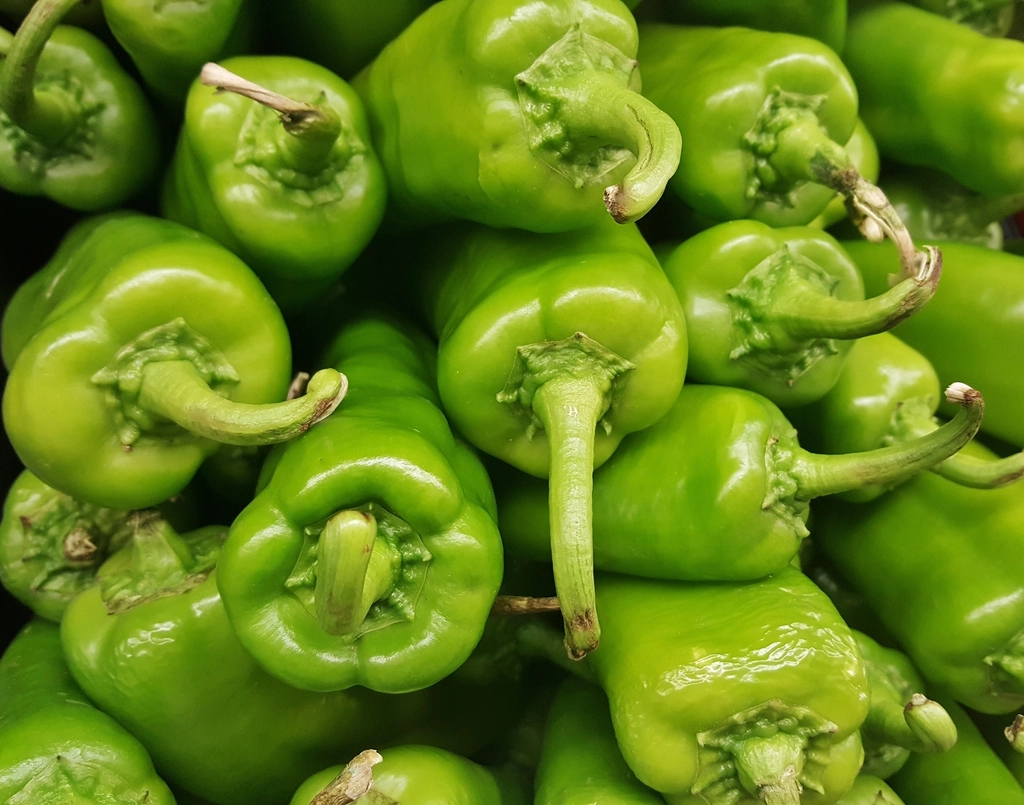
Green bell peppers already provide a substantial share of daily vitamin C. As they ripen and turn red, both flavor and nutrient content increase.
Broccoli
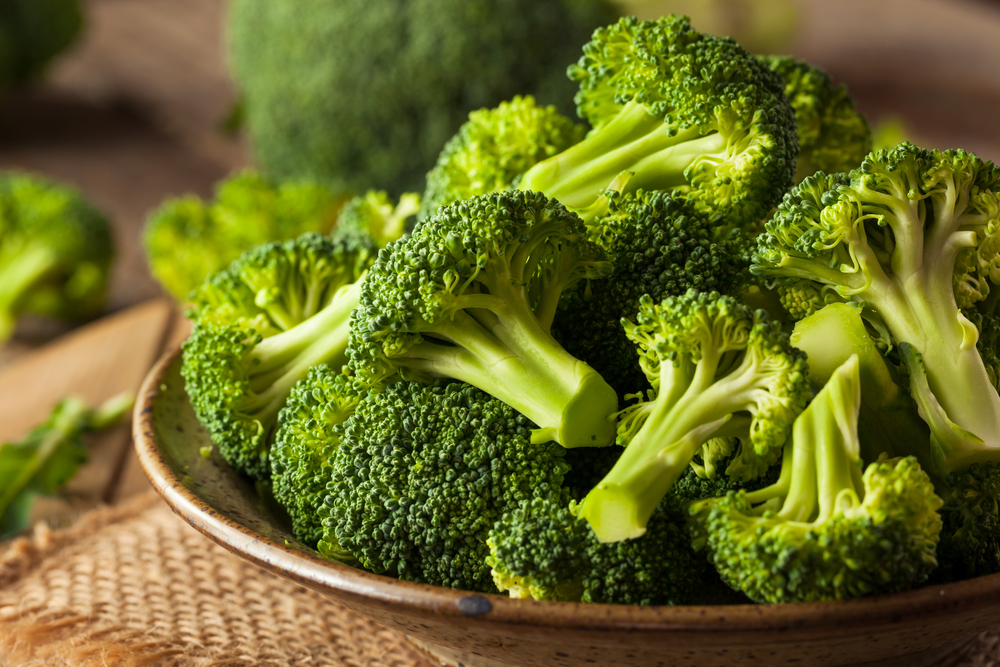
Broccoli combines vitamin C with fiber and minerals that support digestion and heart health. Its broad nutrient profile explains its reputation as a staple vegetable.
Also read: How to manage bloating - and what to avoid
Cooking and vitamin c

Vitamin C is sensitive to heat, so preparation is key. Steaming and microwaving generally preserve more than boiling, frying, or roasting, which can reduce levels significantly.
Sources: Verywell Health and NIH
Also read: Study suggests earlier signs of kidney disease may be overlooked
This article is made and published by Mie Hermansen, who may have used AI in the preparation.