
New international health data highlight clear patterns in where cancer most frequently develops. Certain organs account for a large share of global diagnoses, influenced by age, lifestyle, infections and environmental exposure.
Lung cancer
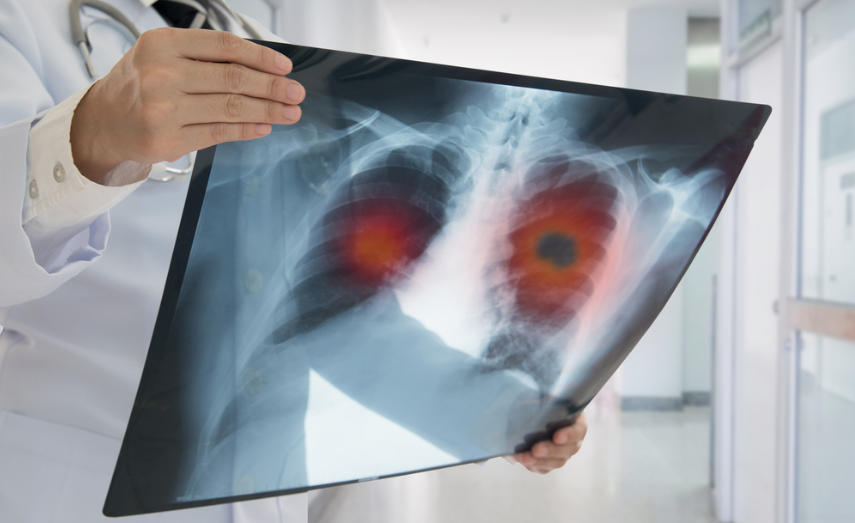
Lung cancer begins in the lining of the bronchi and smaller airways. It is more common among people exposed over time to tobacco smoke or polluted air.
Breast cancer

Breast cancer forms in the ducts and lobules of the breast. Hormonal activity in this tissue plays a role in how the disease develops.
Colorectal cancer

Colorectal cancer arises in the epithelial lining of the colon and rectum. These tissues undergo constant cell renewal, which contributes to the risk of abnormal growth.
Also read: Brain scans reveal how yawning affects the brain
Prostate cancer

Prostate cancer develops in the glandular tissue of the prostate. It is most frequently diagnosed in older men.
Liver cancer
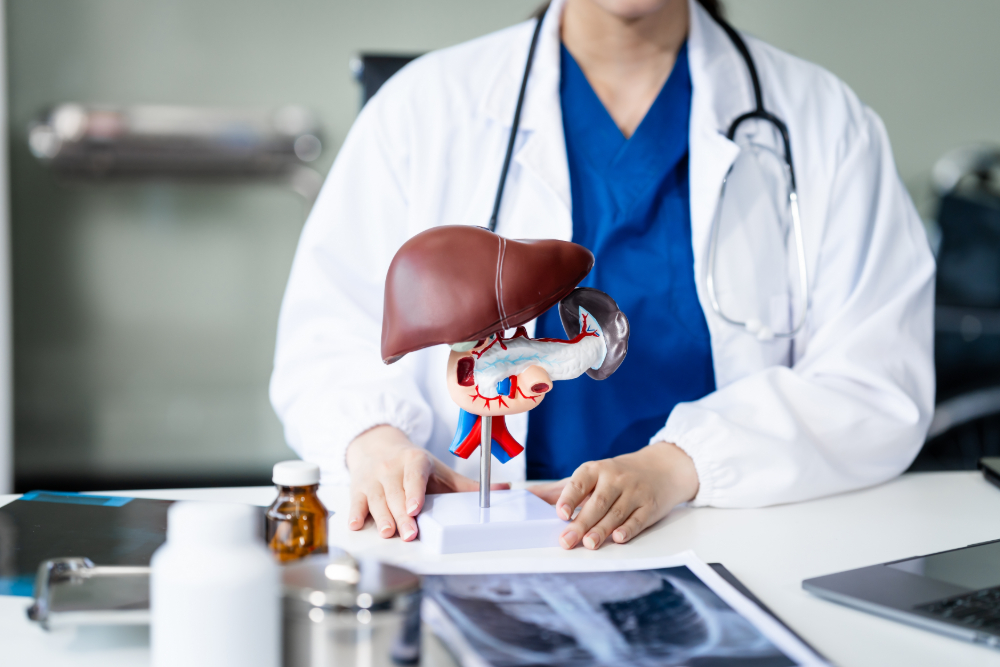
Liver cancer starts in liver cells and is often linked to chronic liver disease, viral infections or prolonged exposure to harmful chemicals.
Stomach cancer

Stomach cancer originates in the stomach’s mucosal lining. Dietary factors and persistent infection with Helicobacter pylori are associated with increased risk.
Genetic mutations

Cancer develops when damage occurs in the genetic material that controls cell division. These mutations may be inherited or acquired over time.
Also read: Study examines the link between coffee and dementia
Chronic infections

Infections such as hepatitis B and C, human papillomavirus and Helicobacter pylori can raise the likelihood of certain cancers.
Harmful exposures

Long term contact with carcinogens in tobacco smoke, industrial chemicals or contaminated food contributes to cancer development. Ionising radiation from medical, environmental or workplace sources can also increase risk.
Age and lifestyle

The likelihood of cancer rises after the age of 50 as cellular damage accumulates and repair processes slow down. Smoking, heavy alcohol use, obesity, low physical activity and diets high in processed or red meat further elevate risk.
Prevention
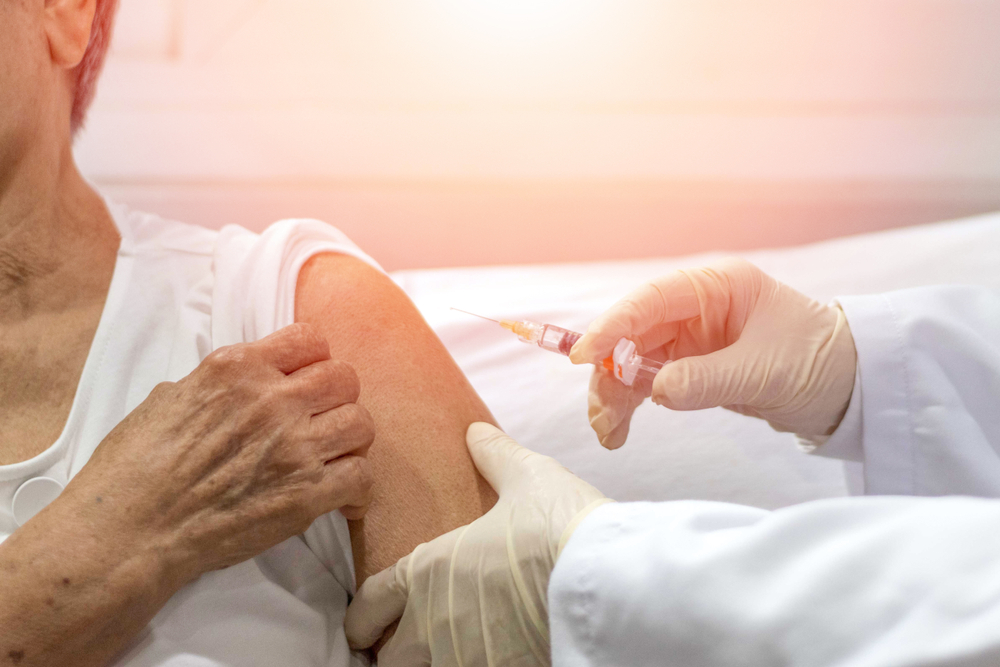
Preventive steps include quitting smoking, avoiding secondhand smoke and receiving vaccines against hepatitis B and HPV. A diet rich in vegetables, fruits and whole grains, maintaining a healthy weight and limiting alcohol are also important measures.
Also read: Study finds elevated metal levels in specific foods
Early detection
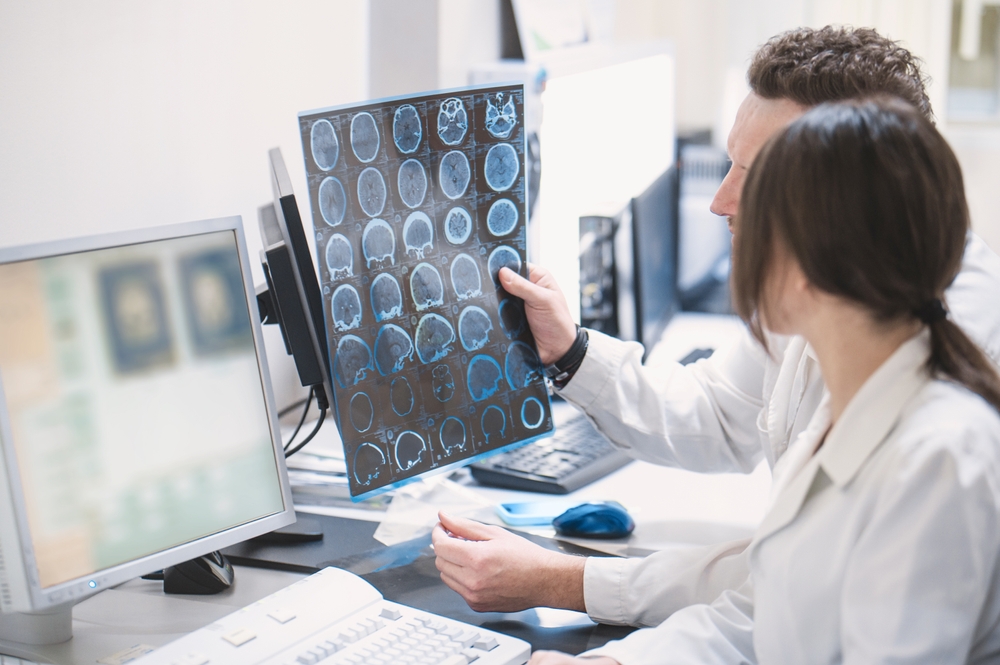
Imaging tests such as X ray, CT, MRI and ultrasound can help identify cancer at earlier stages. Endoscopy, biopsies, blood tests for tumour markers and population screening programmes including mammography, colonoscopy and PSA testing improve early diagnosis.
Treatment

Treatment depends on the organ involved, the stage of the tumour and the patient’s overall health. Options include surgery, radiotherapy, chemotherapy, targeted therapy, immunotherapy, hormonal therapy and palliative care focused on symptom relief and quality of life.
Sources: Times of India
Also read: Cardiac surgeon shares her daily diet for a healthier heart
Also read: Large study finds most statin side effects are not linked to the drugs
This article is made and published by Mie Hermansen, who may have used AI in the preparation.