
Body fat percentage and BMI are often used as indicators of what is considered a healthy body weight. However, the numbers do not tell the whole story.
Here is an overview of what a healthy body fat percentage is, how it is calculated, and which factors play a role when assessing your body composition.
How to calculate body fat percentage
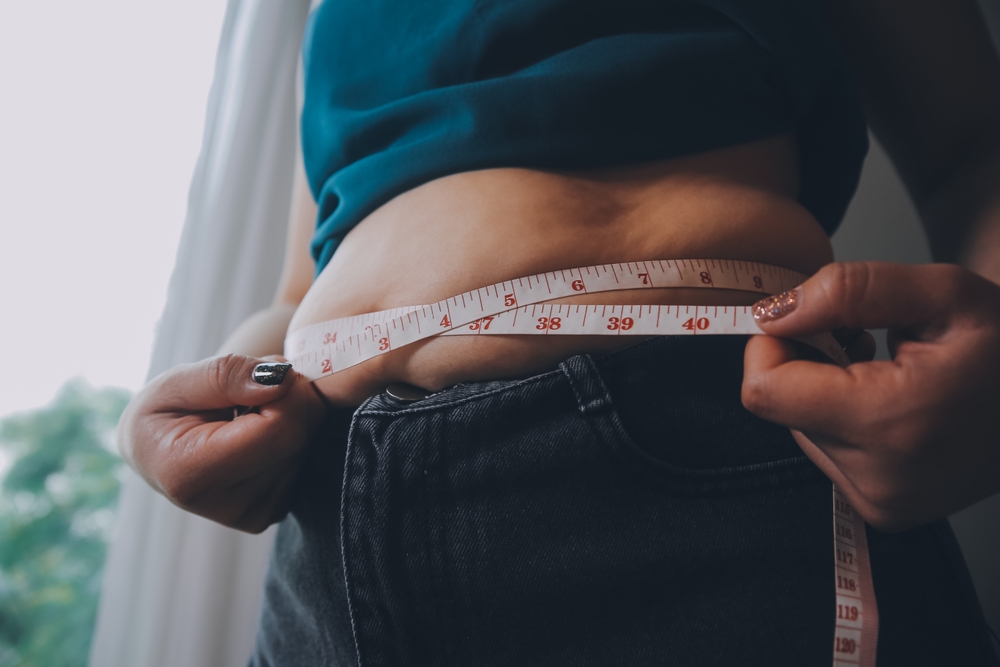
Body fat percentage can be measured using skinfold calipers, which assess the thickness of the skin at several points on the body.
The result is often more accurate when the measurement is performed by a trained professional. It is beneficial to use the same person and the same equipment each time.
Also read: Growing concerns over AI’s role in online medical advice
Other measurement methods
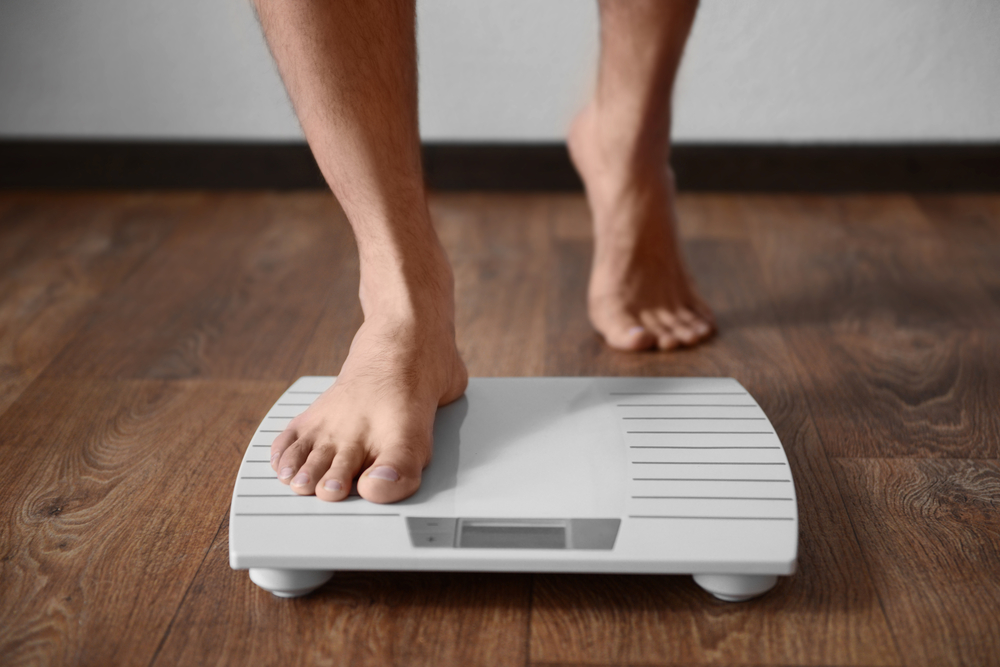
Body measurements and bathroom scales with bioelectrical impedance can be used at home. They are less precise but can show changes over time.
DEXA scans and hydrostatic weighing are very accurate, but more expensive and less accessible.
Body fat percentage for women
According to the American Council on Exercise, the lowest body fat percentage for women ranges between 10 and 13 percent.
However, the most common level typically falls within the 25 to 31 percent range.
Also read: You don’t need the gym to stay healthy, experts say
Women who are athletes are usually between 14 and 20 percent, while a fitness level often ranges from 21 to 24 percent. A body fat percentage of 32 percent or higher is classified as overweight.
Body fat percentage for men
For men, the lowest body fat percentage ranges between 2 and 5 percent.
Athletes typically fall between 6 and 13 percent, fitness level ranges from 14 to 17 percent, an acceptable level is 18 to 24 percent, and obesity is defined as 25 percent or more.
What is BMI?
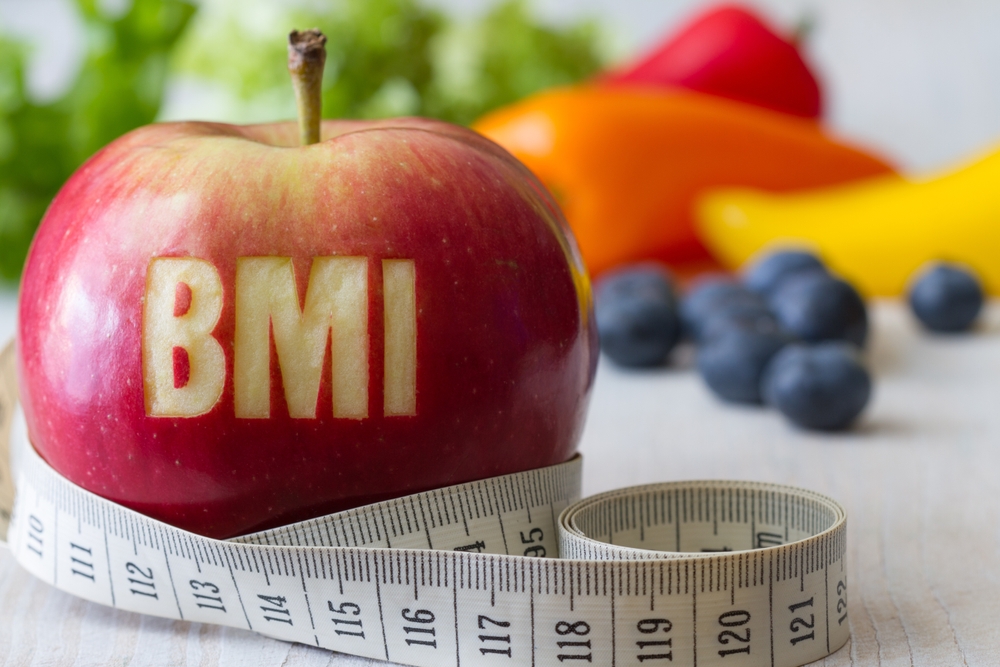
BMI is calculated based on weight and height. The number is found by dividing weight in kilograms by height in meters squared. It is used to assess weight category.
Also read: Oral hygiene may be linked to a lower risk of more than 50 diseases
BMI categories
Underweight is below 18.5. Normal weight ranges from 18.5 to 24.9. Overweight is between 25 and 29.9, and obesity is 30 or higher.
Gender and differences

BMI does not take gender into account. Body fat percentage, on the other hand, varies between men and women, partly due to the body’s role in reproduction.
Limitations of BMI

BMI does not distinguish between fat and muscle. A muscular person may therefore appear overweight. It also does not take age or ethnicity into account.
Limitations of body fat percentage
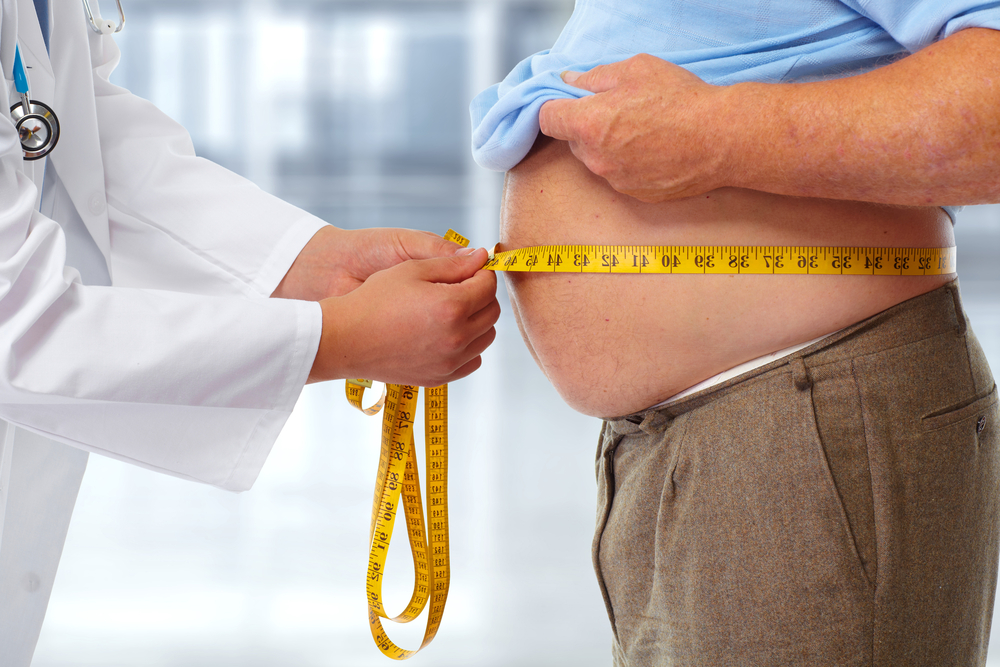
Results may vary depending on the method and how the measurement is performed. Small differences in measurement points can affect the outcome.
Also read: What happens to your body if you eat too much beetroot?
When should you seek advice?

If you are unsure about your numbers, a doctor, personal trainer, or registered dietitian can help assess them.
Body fat percentage is influenced by several factors

Your body fat percentage depends, among other things, on age, gender, and activity level. This means that a healthy level can vary from person to person.
Health is more than numbers

BMI and body fat percentage are only tools. Diet, physical activity, hydration, and mental well-being are also important factors for your health.
Sources: Healthline, and American Council on Exercise.
Also read: Spain introduces new treatment for genetic ALS
This article is made and published by Ida-Marie Palm Varbæk, who may have used AI in the preparation.