
Vaping laws differ significantly around the world. In several popular travel destinations, bringing, using or selling e cigarettes can result in heavy fines and in some cases prison sentences. Here is an overview of how regulations apply in a number of countries.
Countries with a total ban
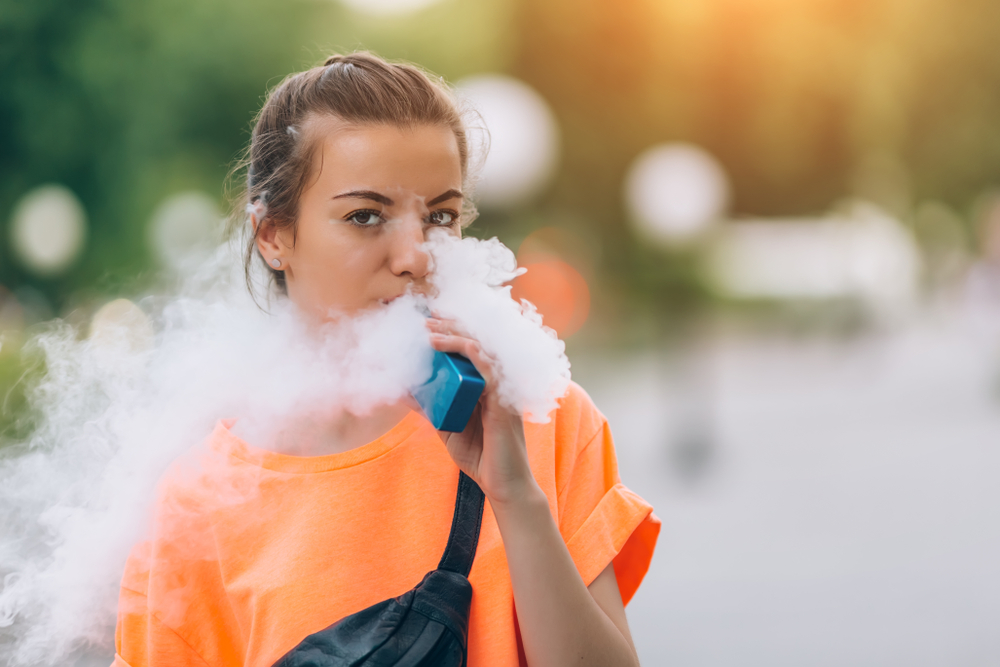
Thailand and Singapore have implemented outright bans on vaping. In Thailand, both possession and import are illegal and violations can carry severe penalties, including prison sentences of up to 10 years. In Singapore, it is illegal to own or use a vape, and devices can be confiscated at the airport. Repeat offences may lead to jail time and deportation.
Strict penalties for import and sale

Hong Kong and Mexico have introduced comprehensive restrictions on the import and sale of vaping products. In Hong Kong, importing or selling vapes can result in prison sentences. In Mexico, new legislation that took effect in January 2026 bans the import and sale of vapes nationwide, and customs officials may inspect luggage for multiple devices.
Risk of fines and imprisonment
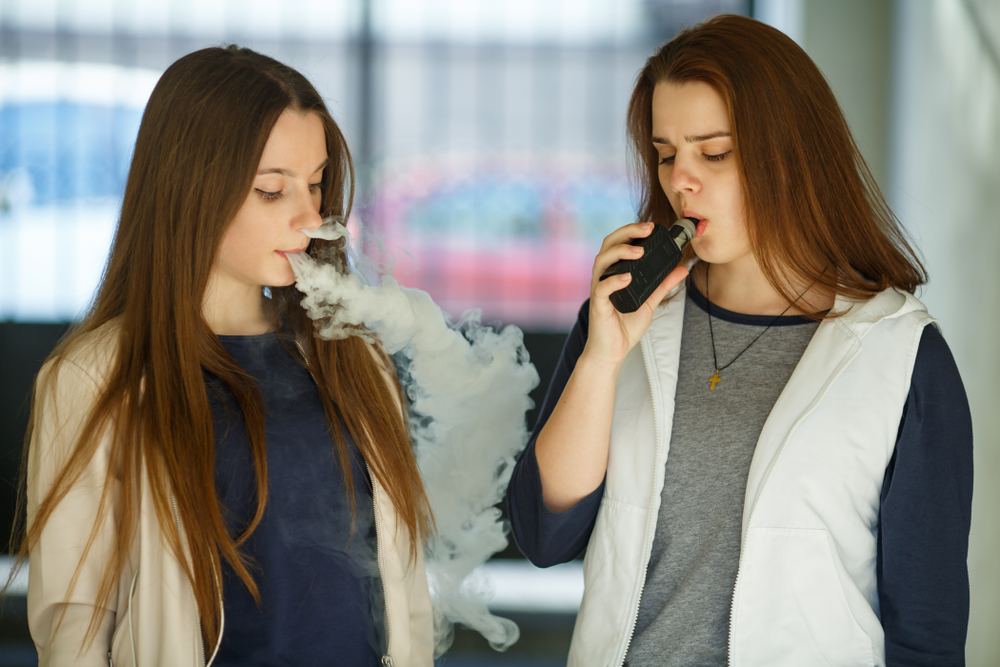
India enforces some of the toughest rules. Importing or using e cigarettes can lead to substantial fines and up to one year in prison, regardless of whether the product contains nicotine. The ban also covers heated tobacco products.
Also read: Your daily diet may increase the risk of heart attack by 47 percent
Therapeutic classification and pharmacy access
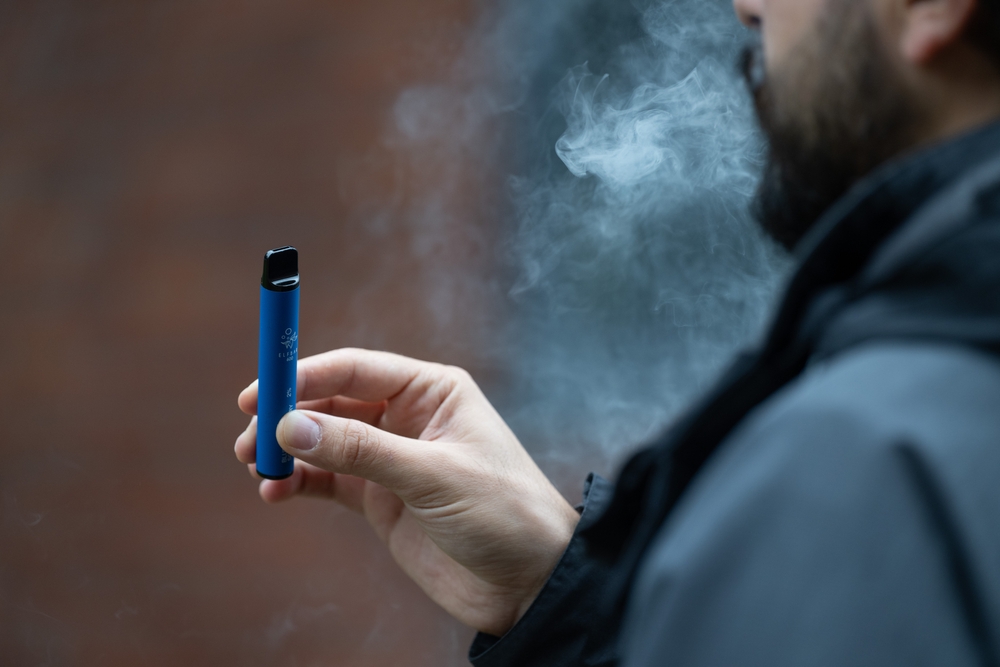
Since 2024, Australia has classified all vapes as therapeutic products. Recreational use is banned, and purchases must be made through pharmacies under the country’s regulations. Visitors are not permitted to bring vapes into the country unless they meet the legal requirements.
Ban on nicotine products
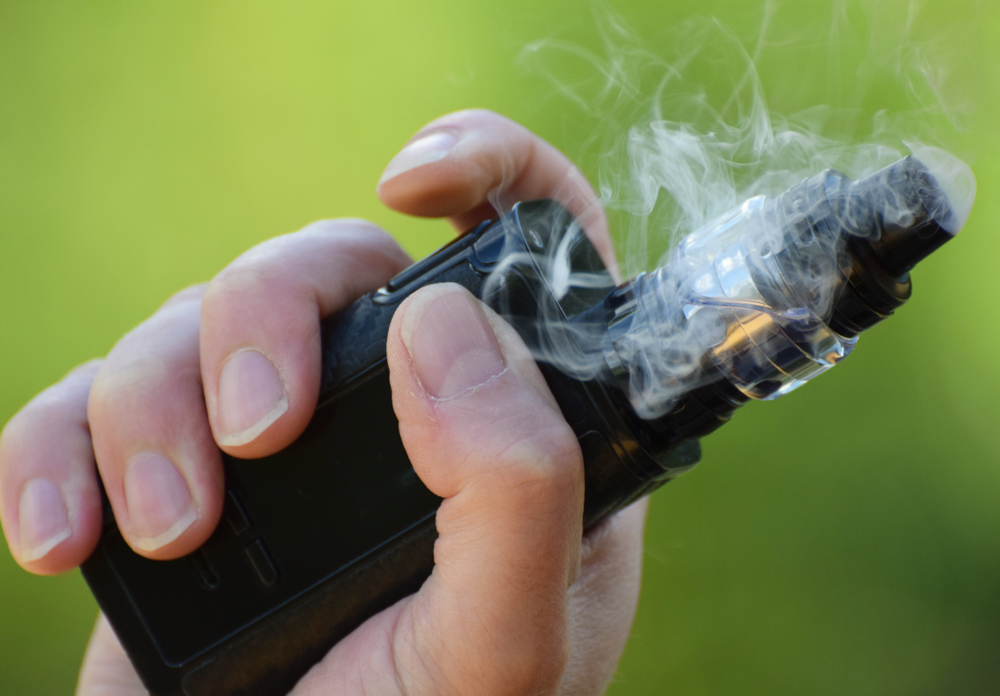
In Turkey, the sale and import of nicotine containing e cigarettes and e liquids are prohibited. Vaping is treated in the same way as smoking and is not allowed in public spaces or on public transport, except in designated areas. Limited quantities may be brought in for personal use.
Restrictions on nicotine liquids
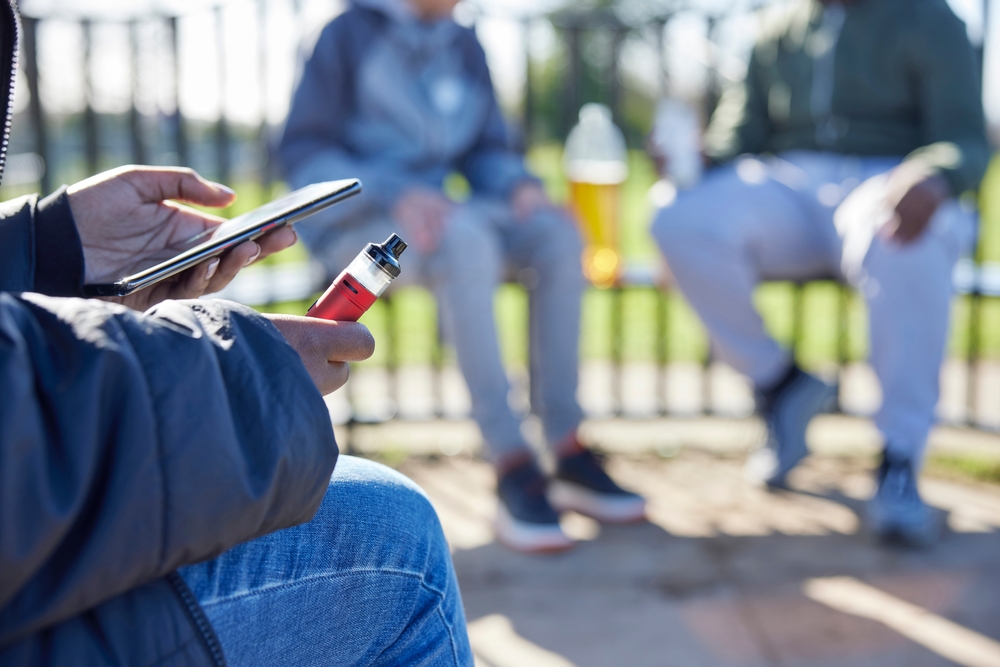
Japan prohibits the sale of nicotine containing e liquids. Travellers may bring a limited amount for personal use, but vaping is only permitted in designated smoking areas. Violations can result in fines.
Flavor limitations
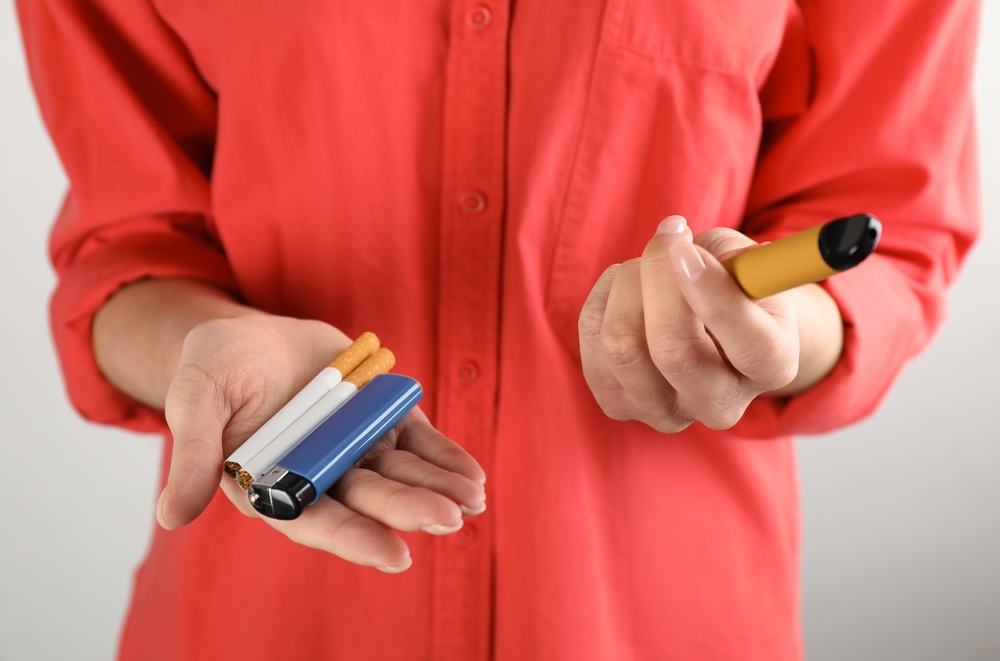
Denmark does not ban vaping altogether, but the range of available flavors is restricted. Only menthol and tobacco flavors are permitted for sale as part of efforts to reduce the appeal of sweet flavored products.
Also read: Robert F. Kennedy Jr. says keto can cure schizophrenia - psychiatrist rejects the claim
Public use restrictions

In the United Arab Emirates, visitors are allowed to bring vapes, but their use is restricted in locations such as shopping malls and on public transport. E liquids are limited to a maximum nicotine strength of 20 mg.
Increased border checks
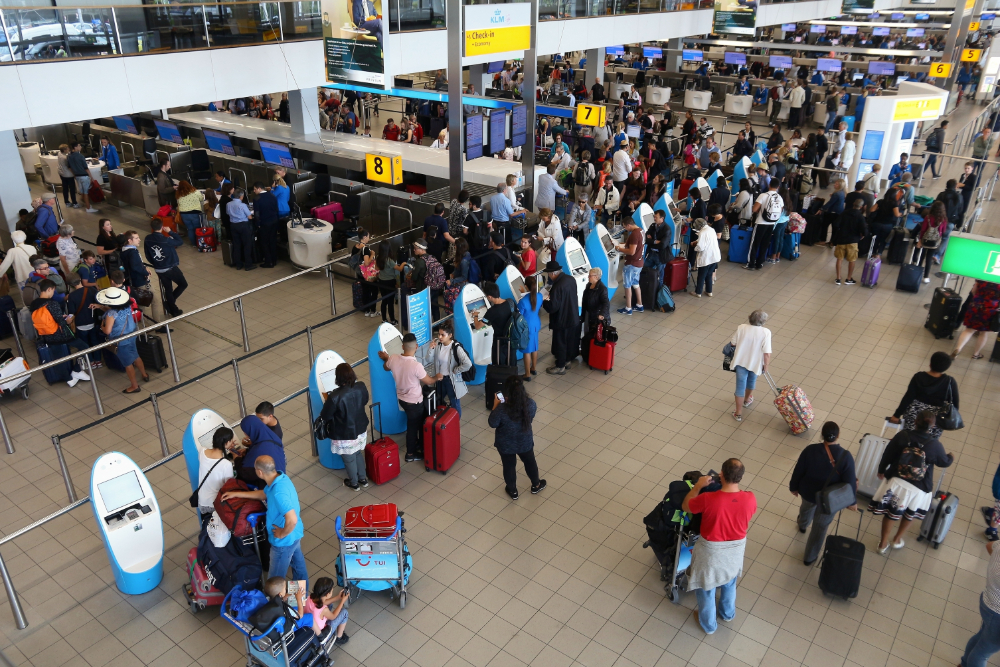
Following Mexico’s updated legislation, customs authorities have been instructed to check travellers’ luggage for multiple devices, which may be treated as intent to distribute.
Enforcement applies to tourists

In many of these countries, the rules are enforced equally for visitors and residents. Even possession alone can be enough to trigger fines, confiscation or imprisonment.
Wide differences between countries

While some nations allow regulated access, others impose total bans. For travellers, understanding the specific laws of their destination is essential to avoid serious legal consequences.
Also read: This happens in your body when you often eat avocado toast
Also read: Your fluid balance affects how you handle stress
This article is made and published by Mie Hermansen, who may have used AI in the preparation.