
Several supplements are marketed as a way to boost metabolism.
However, research is limited, and supplements cannot replace a healthy diet and an active lifestyle.
Here are some selected supplements and considerations you should be aware of.
What is metabolism?

Metabolism is the process by which the body converts food into energy. Cells use this energy to perform essential functions that keep the body healthy and functioning properly.
Also read: Psychologist identifies three harmful phrases in relationships
Lack of regulation
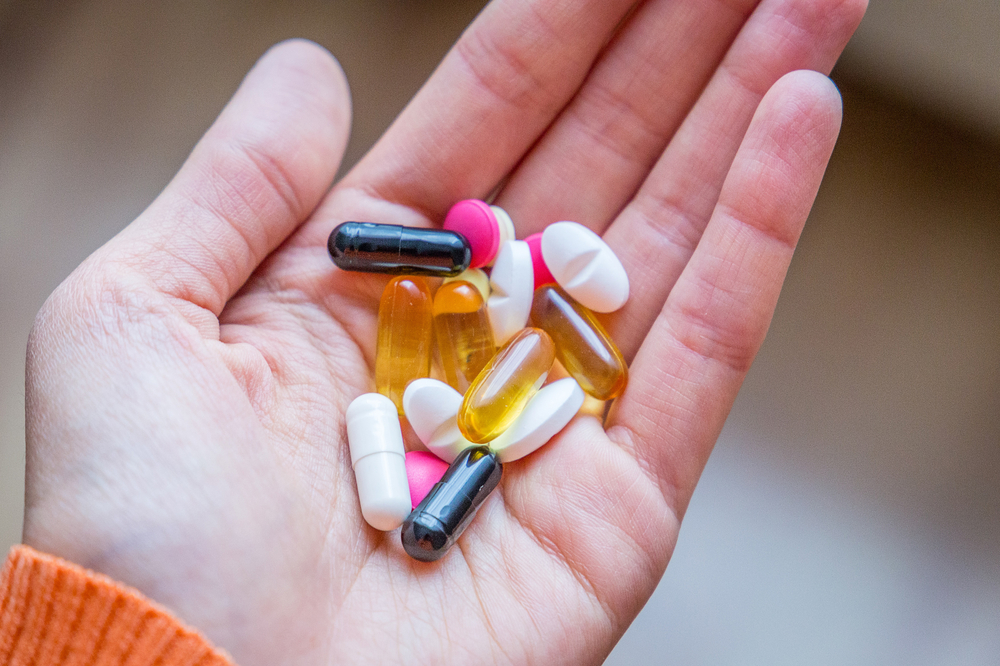
Dietary supplements are not approved in the same way as prescription medications.
If an authority determines that a product is unsafe, it can be removed from the market, but there is no equivalent pre-market control as there is for pharmaceuticals.
Side effects

Although many supplements are considered generally safe, they can cause side effects.
Reported effects include stomach discomfort, nausea, diarrhea, constipation, muscle cramps, muscle weakness, and insomnia, especially at high doses or when multiple supplements are used simultaneously.
Also read: Are artificial sweeteners harmful? Eight-year study shows effect on the brain
Interactions with medication

Dietary supplements can affect the effectiveness of medications, other supplements, or certain foods.
Nearly half of all supplement users take medications that carry a potential risk of interactions, which may result in the medication not working properly.
Green tea extract

Green tea from the plant Camellia sinensis is available both as a beverage and as a dietary supplement and is associated with supporting fat burning.
Antioxidants such as epigallocatechin gallate (EGCG) may help increase metabolism and contribute to weight loss, according to a study published in BMC Complementary and Alternative Medicine.
Also read: Scientists challenge claim of “spoonful” of plastic in the human brain
B vitamins
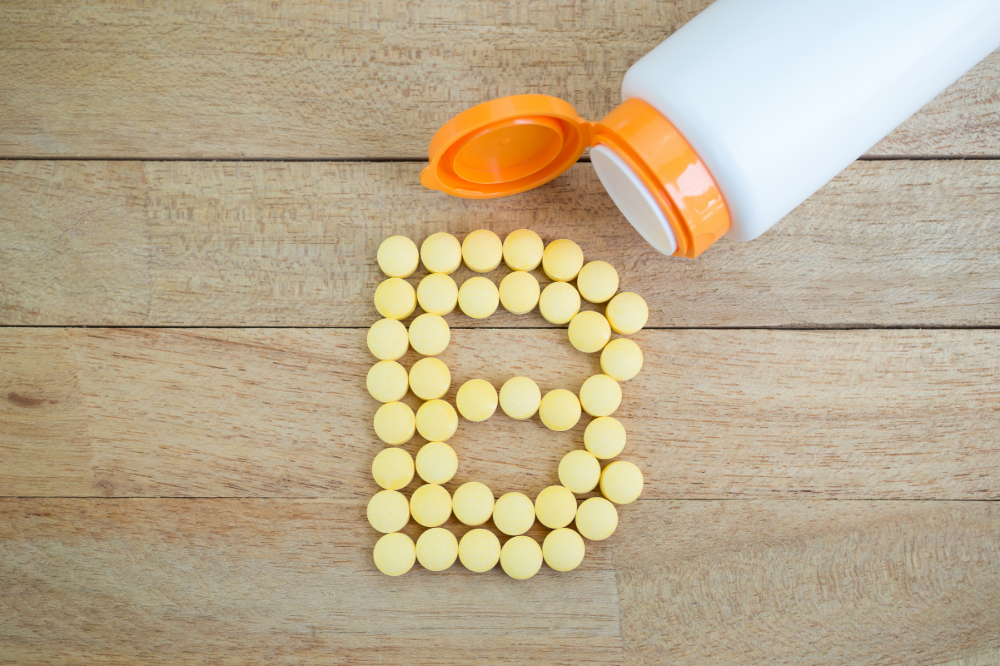
B vitamins play a central role in the chemical processes that drive the body’s normal metabolism.
Adequate levels of folate, vitamin B6, and vitamin B12 have been linked, in a study published in JAMA Network Open, to a lower risk of metabolic syndrome among young adults.
Iron
Iron is necessary for energy production and a range of vital functions in the body.
Iron deficiency can lead to low energy, particularly during physical activity, and is believed to potentially lower the metabolic rate.
Also read: Traveling with a vape? Here it could lead to prison
A review in the International Journal of Obesity indicates that iron supplementation may increase metabolism, especially in cases of deficiency. However, more research is needed.
5-hydroxytryptophan

5-hydroxytryptophan is naturally formed in the body from the amino acid tryptophan and is a precursor to serotonin.
The supplement is used, among other things, for anxiety and depression, and research published in the International Journal of Molecular Sciences and Frontiers in Physiology suggests that it may reduce appetite and influence fat accumulation.
However, further research is required.
Also read: Your daily diet may increase the risk of heart attack by 47 percent
Caffeine

Caffeine occurs naturally in coffee and tea and is a widely used central nervous system stimulant.
It has been associated with a lower risk of type 2 diabetes and heart disease and is often used to increase energy and performance.
Research published in Nutrition Research suggests that caffeine may support the burning of fat and carbohydrates and potentially increase resting metabolic rate.
These supplements should be avoided

There is limited or no evidence that certain supplements have a noticeable effect on weight or metabolism.
These include beta-glucans, Coleus forskohlii, fucoxanthin, hydroxycitric acid, glucomannan, guar gum, hoodia, raspberry ketones, and yohimbe.
Exaggerated promises about fat burning

If a product promises weight loss simply by taking a supplement, it is likely too good to be true.
No supplement works on its own, but some may potentially support metabolism and weight loss when combined with a balanced diet and physical activity.
Special precautions

Pregnant or breastfeeding individuals, those planning surgery, people with chronic illnesses, or those considering giving supplements to children should consult a healthcare professional first.
It is generally recommended to discuss the use of dietary supplements with a doctor, dietitian, or pharmacist.
Choosing quality-tested products

Because dietary supplements are often not regulated in the same way as medications, the contents may differ from what is stated on the label.
It is recommended to choose products that have been tested or certified by independent organizations.
Sources: Verywell Health, BMC Complementary and Alternative Medicine, JAMA Network Open, International Journal of Obesity, International Journal of Molecular Sciences, Frontiers in Physiology og Nutrition Research.
This article is made and published by Ida-Marie Palm Varbæk, who may have used AI in the preparation.