
New research suggests that death may not occur in a single moment. According to one researcher, consciousness could persist for hours after the heart has stopped and the brain has fallen silent.
New research challenges the understanding of death

A recent study proposes that death should be viewed as a process rather than an instant and final boundary. The findings indicate that the body’s shutdown may not happen all at once.
Analysis of more than 20 studies

Researcher Anna Fowler from Arizona State University reviewed more than 20 studies on near death experiences, along with animal research, to examine what occurs in the brain after death.
Consciousness may last longer than assumed

According to the analysis, some individuals may remain conscious for hours after both heart and brain have ceased their normal functions.
Also read: How daily olive oil intake affects the body
Experiences during cardiac arrest

The study highlights cases in which patients who experienced complete circulatory standstill were later able to recount events that took place around them.
Death described as a shifting process

Fowler characterizes death as a changing landscape rather than a clearly defined line between life and its end.
Cells do not necessarily die immediately

The researcher suggests that consciousness may not disappear at the exact moment the brain becomes inactive, and that cells may not die at the precise instant the heart stops beating.
Potential implications for organ donation

The findings could influence ethical discussions surrounding organ donation, as donations often occur shortly after a person has been declared dead.
Also read: High red meat intake associated with 49 percent increase in diabetes risk
Two pathways for organ donation
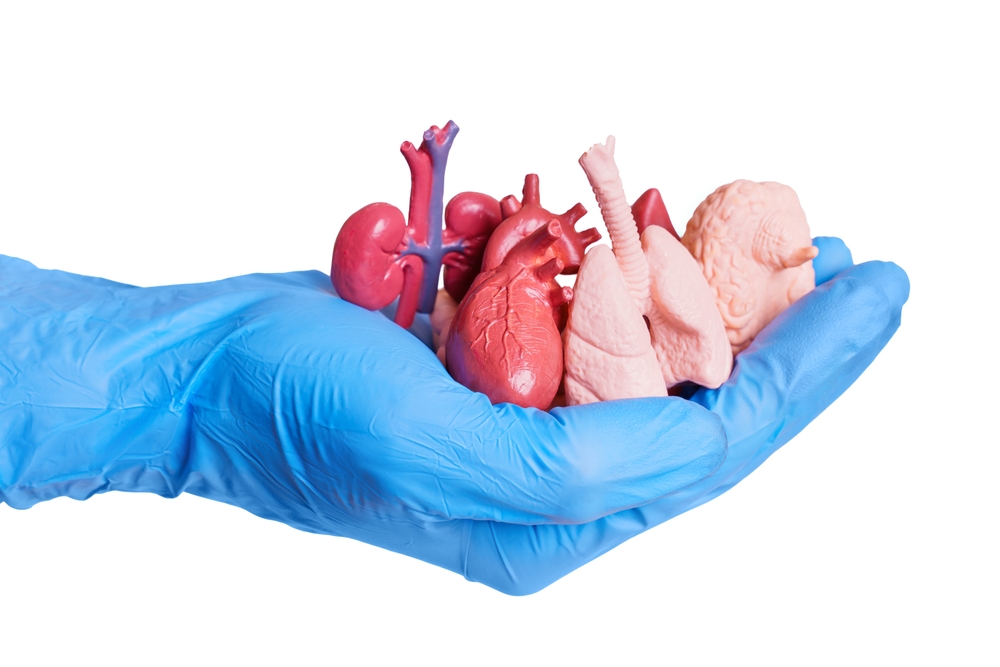
According to the American Society of Transplantation, organ donation can take place after confirmed brain death, following multiple tests, or after circulatory death when life support is withdrawn.
Call for an updated definition
Fowler argues that the American definition of death, established in the 1980s, should be reconsidered to reflect the possibility that death unfolds in stages.
Death as transformation

The research proposes viewing death not as the sudden extinguishing of life, but as the beginning of a transformation.
Medicine and ethics in dialogu
Fowler hopes that medicine, philosophy, and ethics can work more closely together to develop a more nuanced understanding of death.
Also read: New weight-loss pill surpasses Novo in effectiveness, but more patients discontinue treatment
No definitive answers
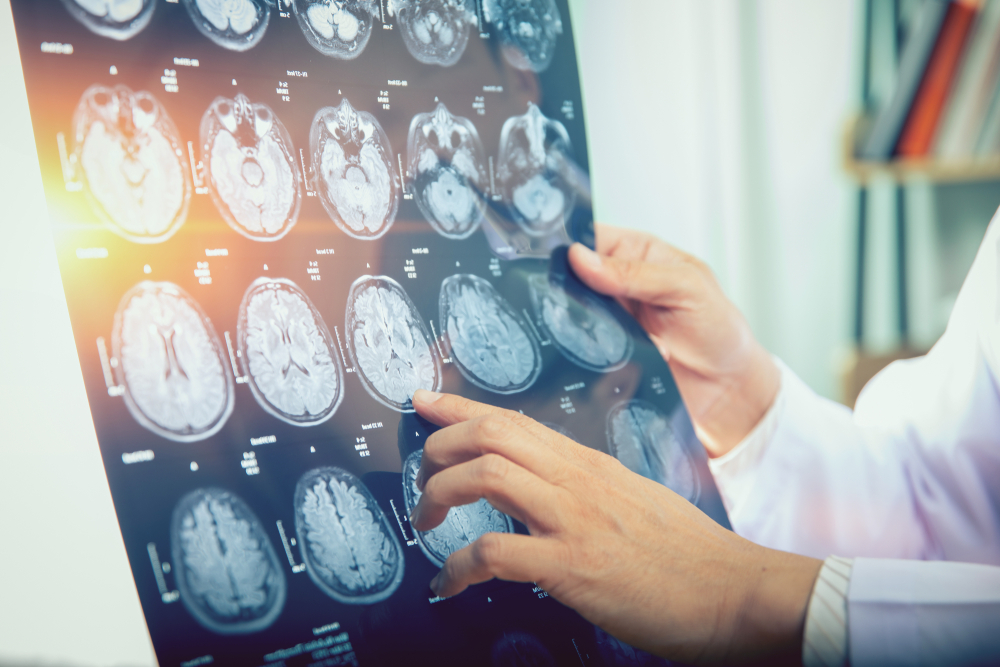
According to the researcher, no one truly knows exactly what happens when we die, and she encourages reflection on what it really means to die.
Death may have stages

Fowler compares death to the staging of diseases, suggesting that it should be understood in phases rather than as a single event.
Also read: No need to lace up for a run - these alternatives are just as effective
Also read: Study of 1.2 million children finds vegan infants grow at normal rates
This article is made and published by Mie Hermansen, who may have used AI in the preparation.