
High cholesterol is often described as a silent condition because it usually develops without clear warning signs. However, certain symptoms linked to circulation and heart health may appear once it begins affecting the body.
High cholesterol often goes unnoticed

High cholesterol itself typically does not cause direct symptoms. Many people only discover the condition during routine blood tests. Symptoms usually appear later when cholesterol contributes to atherosclerosis, a narrowing of the arteries.
Pressure in the chest

A pressing or tight feeling behind the breastbone can signal that the heart is not receiving enough oxygen. The discomfort may spread toward the arms or up into the neck.
Pain during physical activity
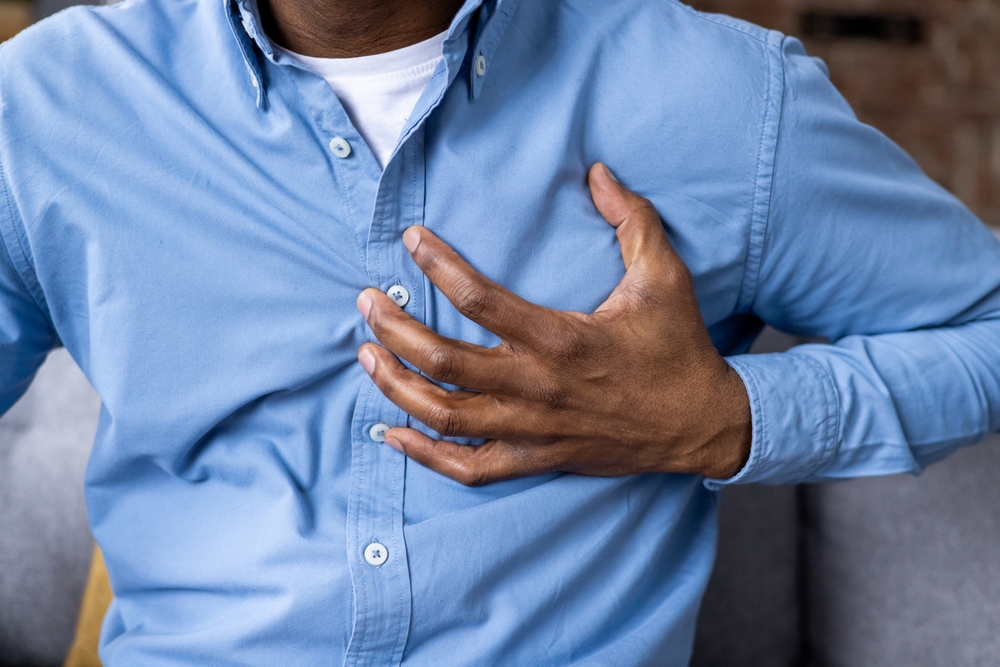
Chest pain that appears during exercise or physical exertion may indicate reduced blood flow to the heart. This condition is commonly known as angina.
Also read: Scientists study nasal spray that could target multiple airborne illnesses
Pain that continues at rest

If chest pain becomes stronger even when resting, it may indicate a more serious problem. In some cases it can be linked to a blood clot in the coronary arteries.
Pain in the calves while walking

Pain or cramping in the calf muscles during walking may occur when circulation to the legs is reduced. This can happen when arteries become narrowed due to plaque buildup.
Episodes of dizziness

Reduced blood circulation in the body can sometimes cause dizziness.
This may happen when certain areas receive less oxygen-rich blood.
Changes in vision

Vision problems may also appear in some cases. Poor circulation can affect blood supply to areas involved in vision.
Also read: Creatine may affect more than muscles, research suggests
A process that develops slowly
The buildup of fatty deposits in arteries can begin early in life and develop gradually over time. As the arteries narrow, blood flow becomes increasingly restricted.
The role of LDL cholesterol
Cholesterol is a fatty substance used by the body to build cells and produce hormones. High levels of LDL cholesterol can contribute to the buildup of plaque inside blood vessels.
Increased risk of blood clots

When arteries narrow and become irregular inside, blood may not flow smoothly.
This increases the risk that a blood clot can form and block circulation.
Genetics can play a part
Both lifestyle and inherited factors can influence cholesterol levels. Some people have genetic conditions that cause very high LDL cholesterol.
Also read: How covid-19 develops day by day throughout the course of the illness
Blood tests reveal cholesterol levels
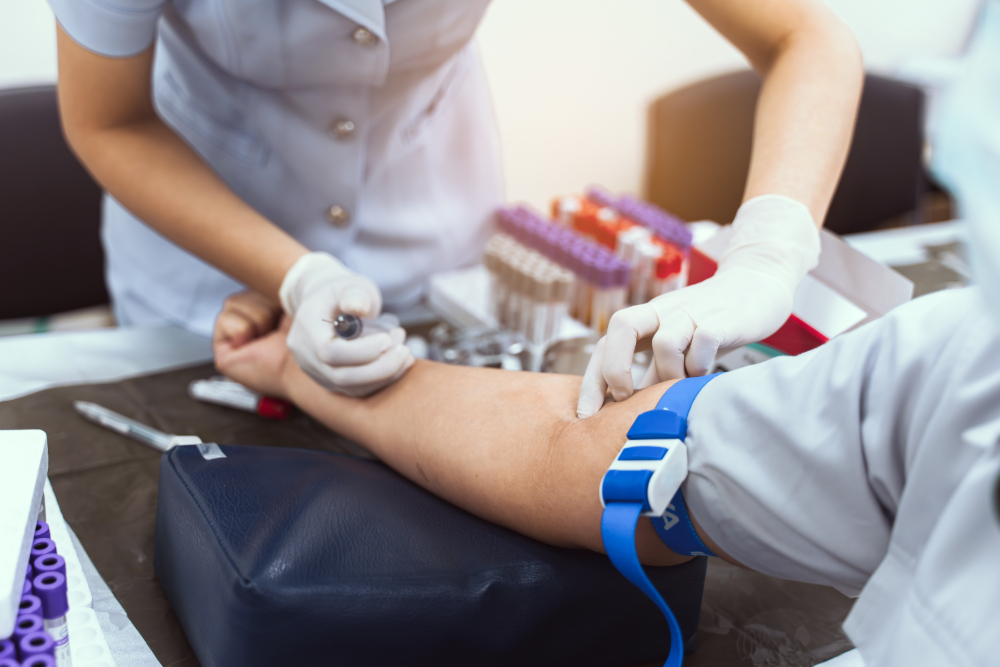
Doctors measure cholesterol through a blood test that looks at total cholesterol, LDL, HDL and triglycerides. These results help determine whether cholesterol levels are within a healthy range.
Lifestyle changes can reduce risk

Healthy habits can help lower cholesterol and reduce the risk of cardiovascular disease. Regular exercise, avoiding smoking, maintaining a healthy weight and eating a heart healthy diet are commonly recommended.
Sources: Netdoktor
Also read: Spain introduces new drug for rare genetic form of ALS
Also read: Scientists report breakthrough approach in preclinical Alzheimer’s study
This article is made and published by Mie Hermansen, who may have used AI in the preparation.