
Bottled water has become a normal part of everyday life for many people. At the same time, concerns about plastic and health have grown. Researchers are therefore examining what may happen in the body when water is consumed from plastic bottles.
Plastic bottles are made from PET

Single use plastic bottles are typically made from polyethylene terephthalate, known as PET, which is considered safe for food contact.
Heat can break down the plastic
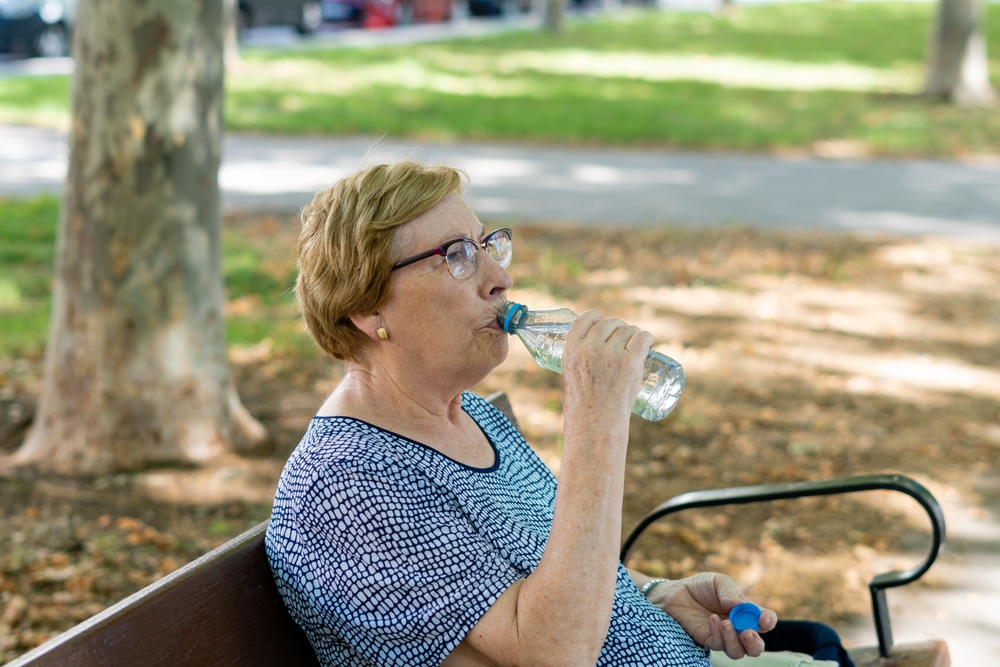
When plastic bottles are exposed to heat, the material can start to degrade faster, which may increase the chance that plastic particles are released into the water.
Sunlight can weaken the bottle
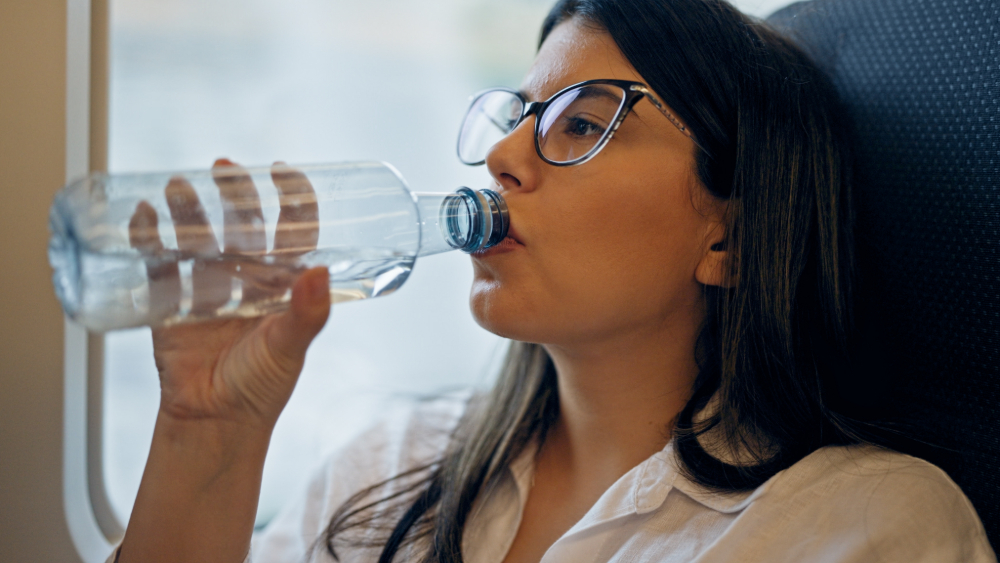
Direct sunlight can make the plastic more brittle. This can lead to cracks and a weaker bottle structure.
Also read: Two dead and several seriously ill after meningitis outbreak
The bottle cap can release plastic fragments
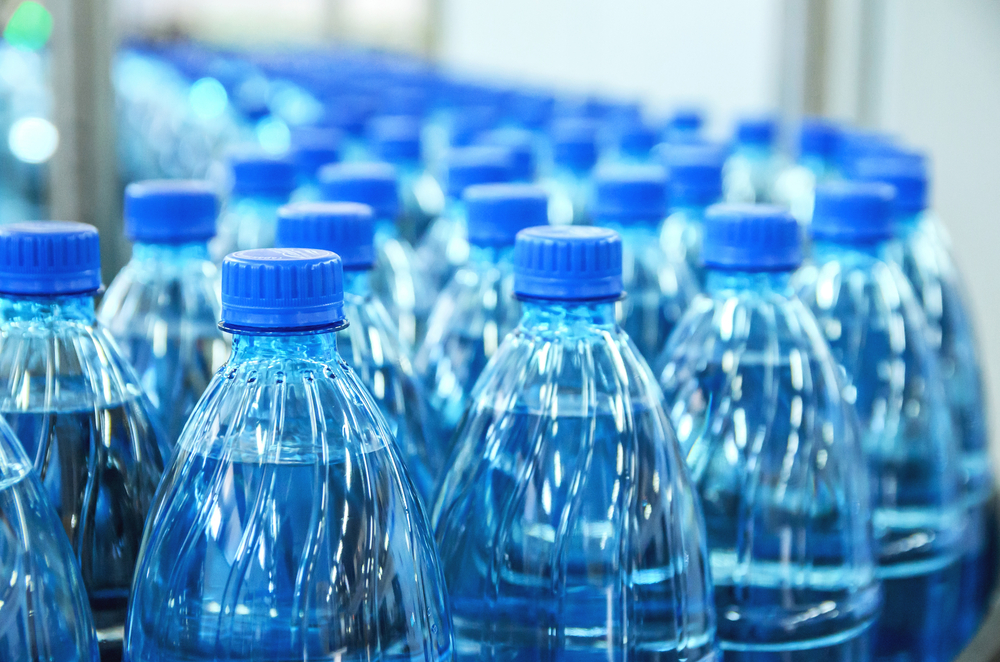
Small plastic fragments may form when the bottle cap is screwed on and off repeatedly.
Reusing single use bottles may increase release

Actions such as squeezing the bottle, washing it, scrubbing it, or repeatedly twisting the cap can increase the release of microplastics.
Microplastics can end up in the body

Researchers have detected both microplastics and nanoplastics in the human body. These particles can originate from plastic products such as bottles.
What microplastics are
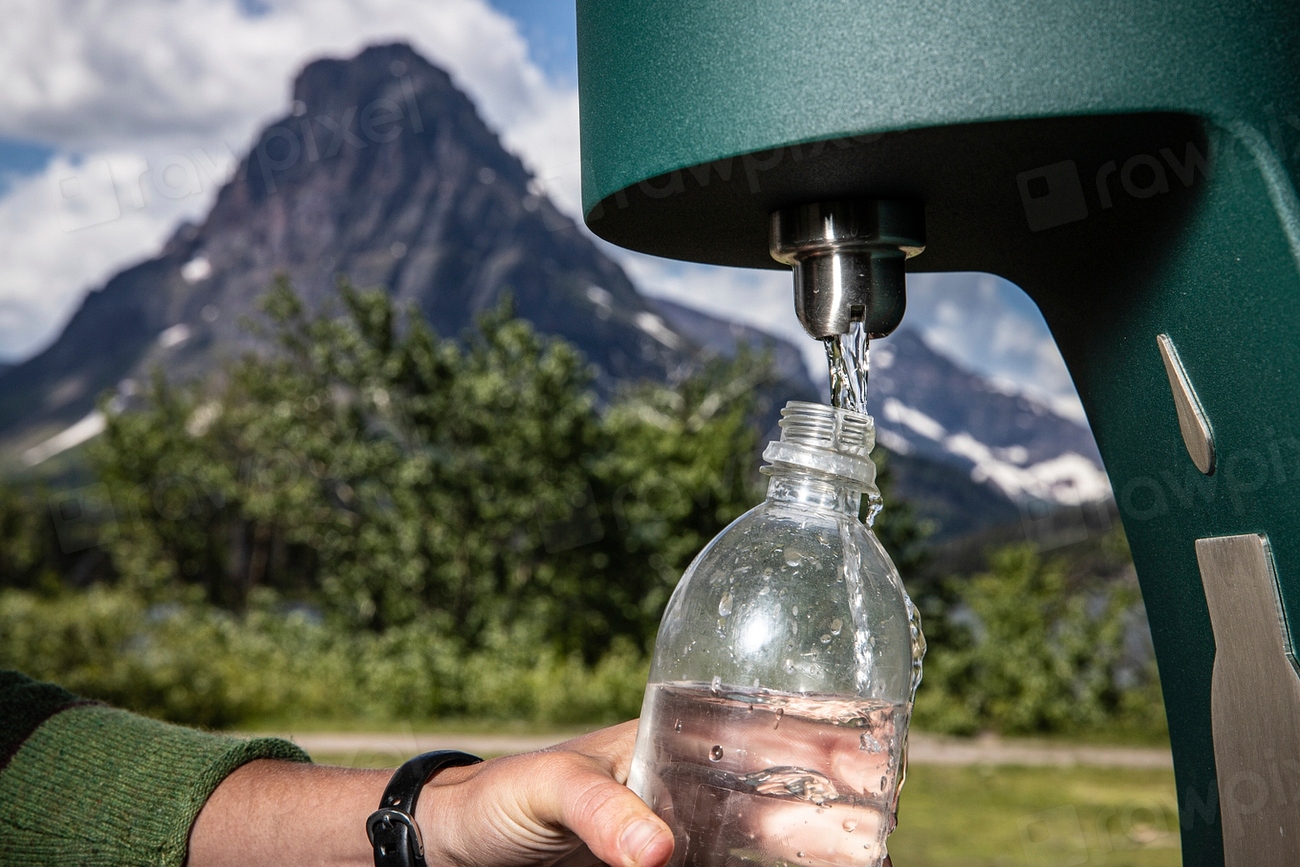
Microplastics are plastic particles measuring 5 millimeters or less in diameter, while nanoplastics are even smaller and measure under 1 micrometer.
Also read: New study: Severe respiratory infections may increase risk of lung cancer
Smaller particles may interact with body tissues
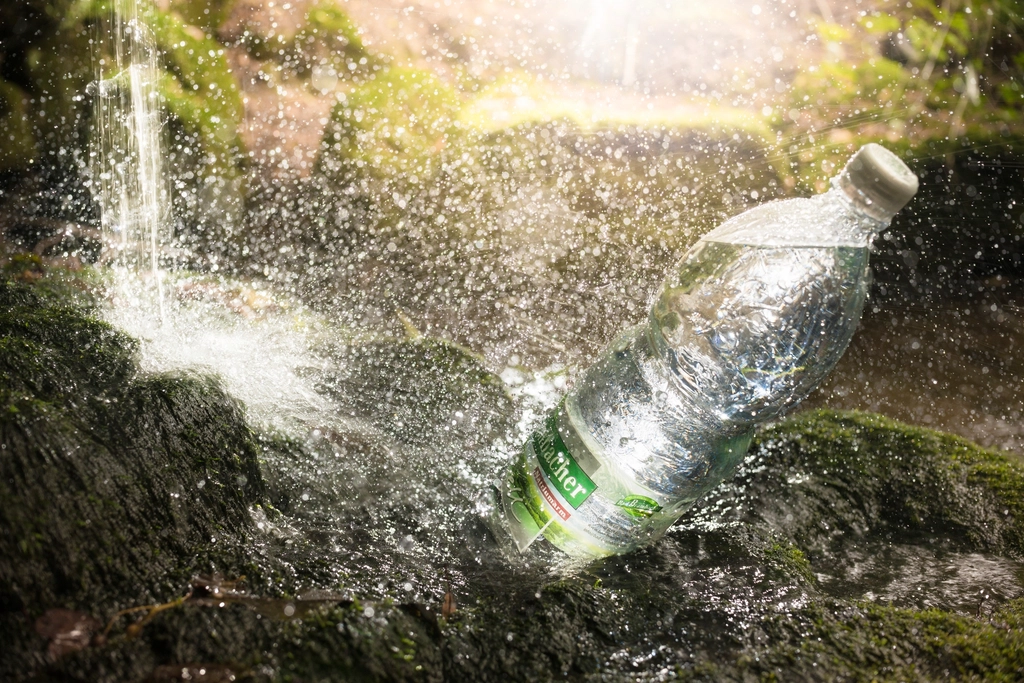
Larger plastic particles may pass through the digestive system, while smaller particles can interact more directly with body tissues.
Plastic particles can cross bodily barriers
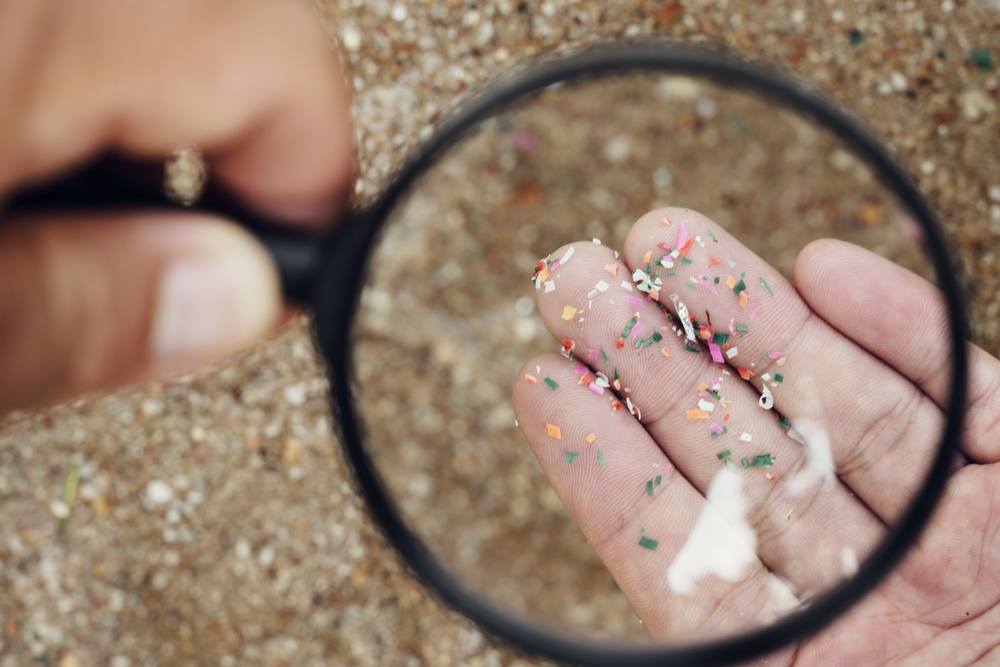
Research shows that micro and nanoplastics may pass through intestinal barriers and enter the bloodstream.
Possible toxic reactions in the body
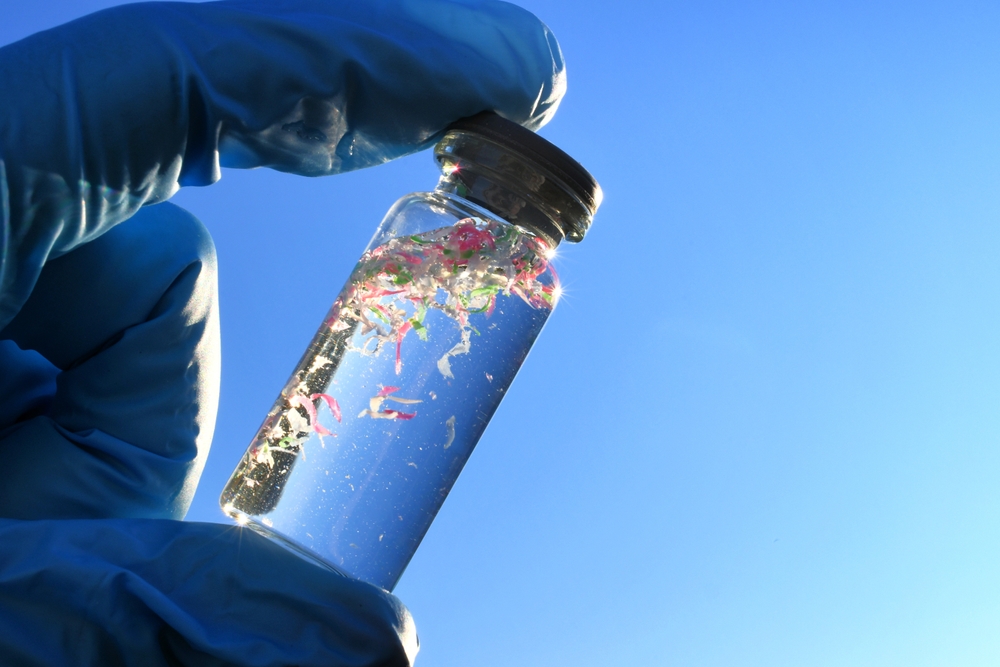
When plastic particles enter the body, they may trigger reactions such as inflammation and oxidative stress, which can lead to tissue damage.
No clear link to disease yet
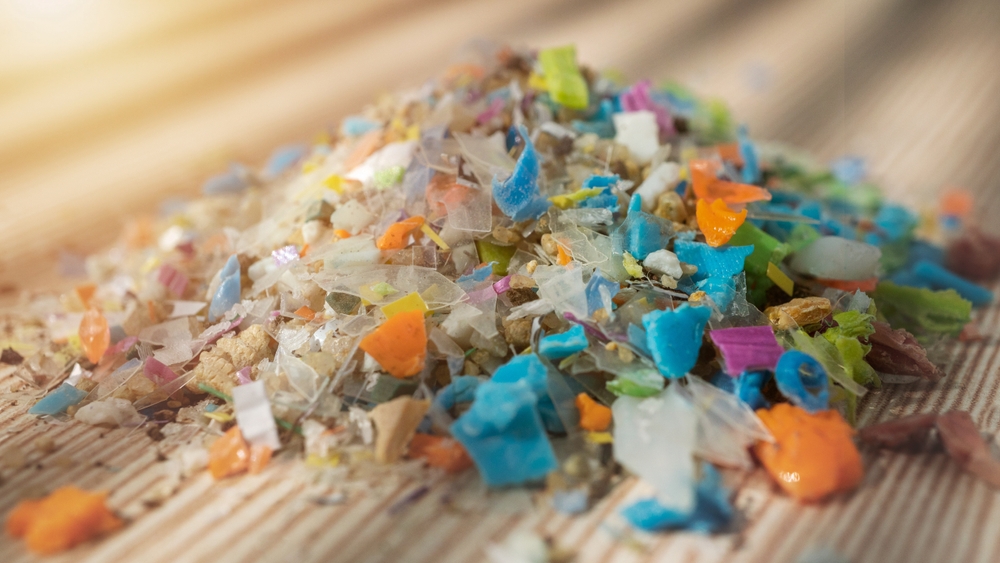
Current research has not established a direct connection between drinking bottled water and specific diseases in humans.
Also read: A few minutes a day can help strengthen your balance
Important data is still missing
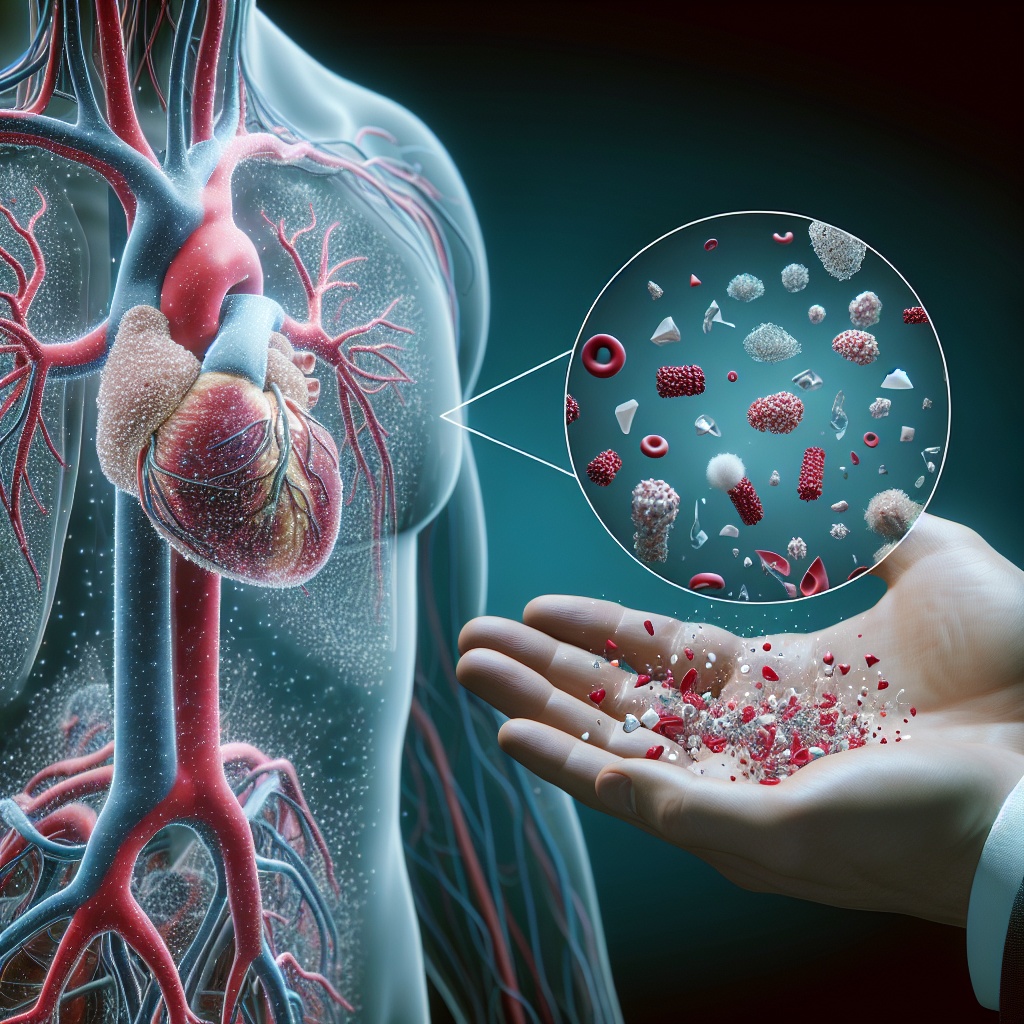
A 2019 report from the World Health Organization notes that key data about microplastics in drinking water is still lacking.
Glass and metal may reduce exposure
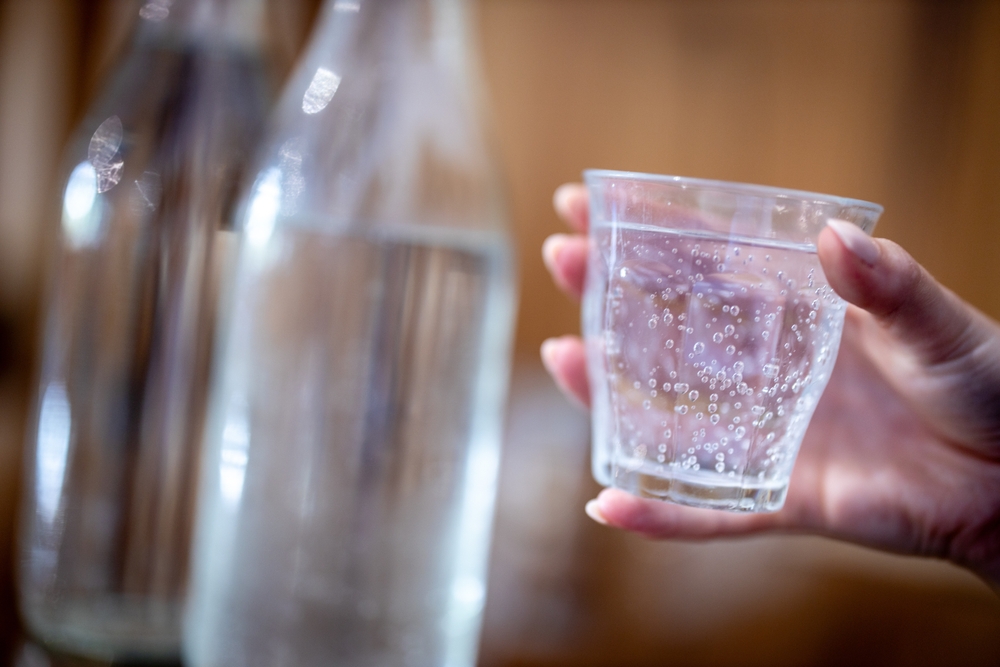
To reduce exposure to microplastics, experts recommend avoiding reuse of single use plastic bottles and choosing reusable containers made of glass or metal.
Sources: Chowhound
Also read: How honey can affect your body if you eat it every day
Also read: Ricky Gervais’ partner Jane Fallon shares cancer diagnosis on Instagram
This article is made and published by Mie Hermansen, who may have used AI in the preparation.