
Food traditions vary widely across the globe, and so do the rules about what people are allowed to eat. Some foods are considered delicacies in one country but are banned or heavily regulated elsewhere due to health concerns, animal welfare, or environmental protection.
Fugu
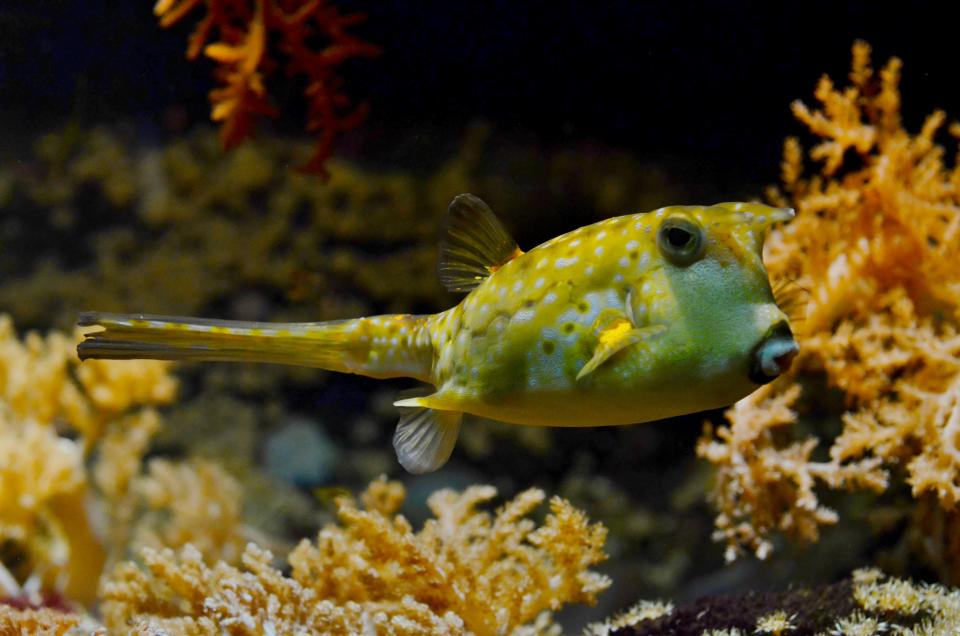
Fugu is a Japanese dish made from pufferfish, a species that naturally contains extremely dangerous toxins. If the fish is not cleaned properly, even a small amount can be fatal. Because of this risk, only specially trained chefs with a license are allowed to prepare it.
Casu marzu
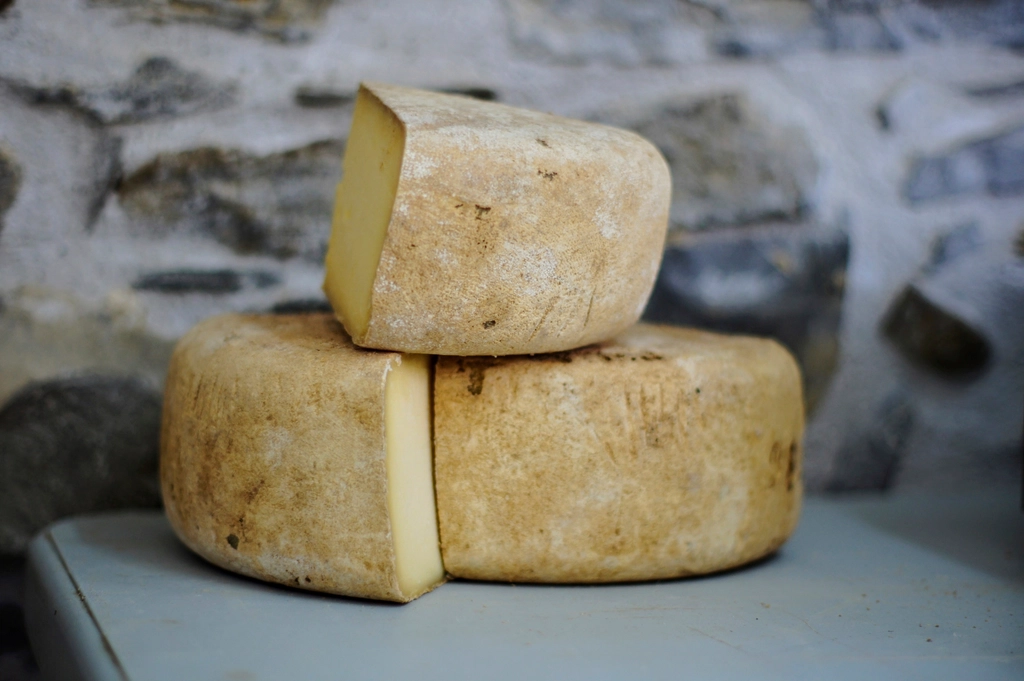
Casu marzu is a traditional cheese from the Italian island of Sardinia. It begins as pecorino cheese but is intentionally exposed to flies that lay eggs inside it. The larvae break down the cheese, making it softer and creamier. Due to possible health risks, the cheese is banned from commercial sale.
Akee

Akee is the national fruit of Jamaica and an important ingredient in local cuisine. However, the fruit can be poisonous if eaten before it is fully ripe. It contains a toxin that can cause serious illness, which is why fresh akee is banned in the United States.
Also read: Millions of kids take melatonin — now doctors are raising concerns
Foie gras
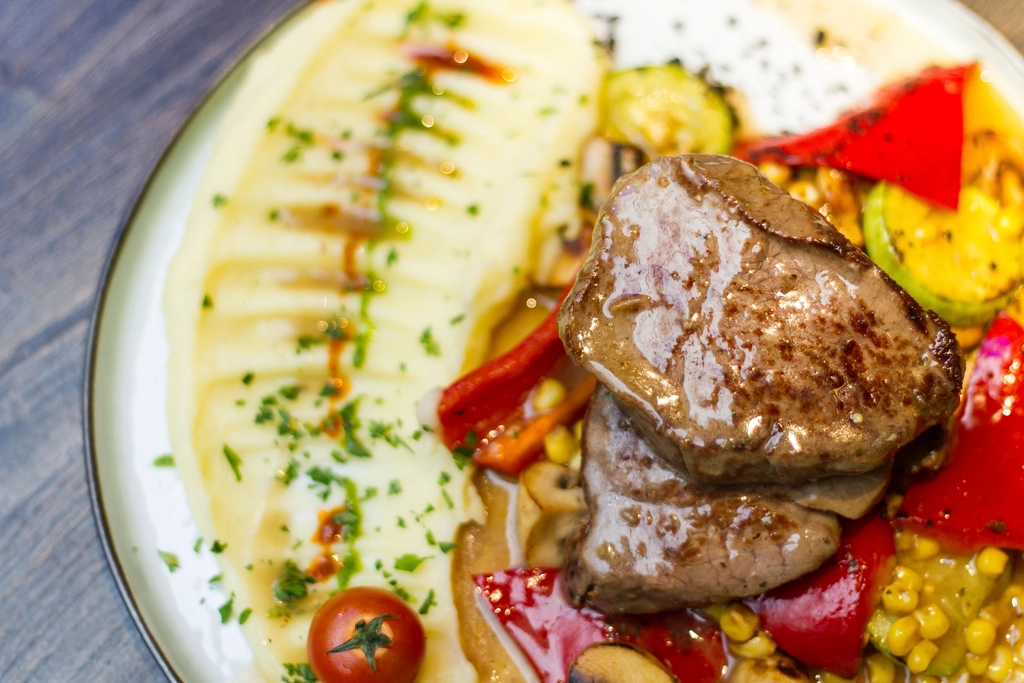
Foie gras is a fatty liver product made from ducks or geese. The animals are force-fed to enlarge their livers, creating the rich texture the dish is known for. The production method has led to widespread criticism over animal welfare, and it has been banned in several places.
Bushmeat

Bushmeat refers to meat from wild animals such as bats, monkeys, and other wildlife. The trade is controversial because it threatens biodiversity and may spread diseases from animals to humans. For these reasons, importing bushmeat into the United States is illegal.
Raw milk
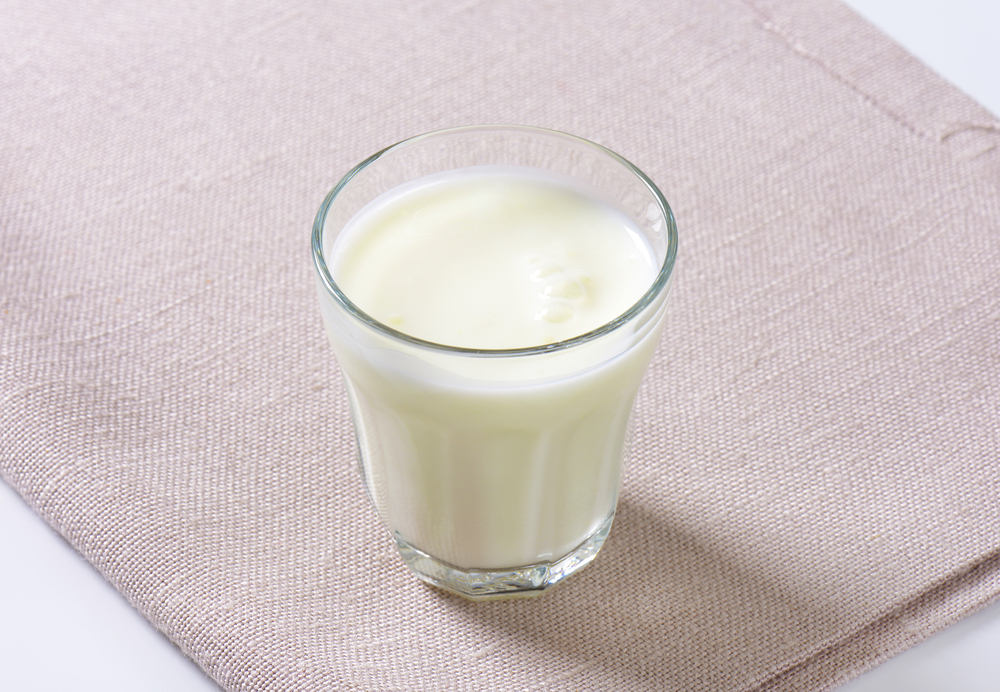
Raw milk is milk that has not been pasteurized. Without this treatment, harmful bacteria such as salmonella or E. coli may remain in the product. Because of the potential health risks, the sale of raw milk is banned or restricted in several countries.
Shark fins
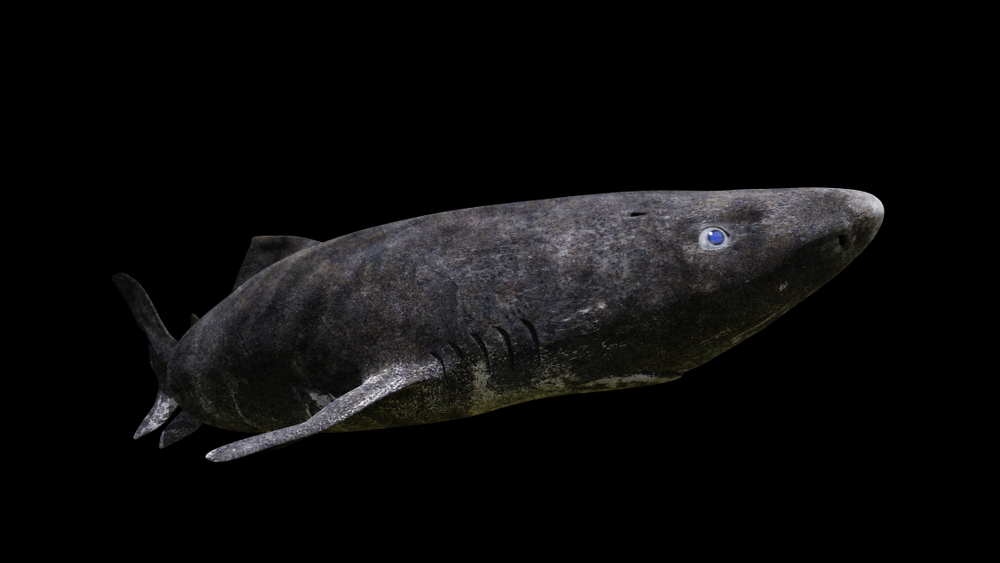
Shark fins are used in certain dishes, but the way they are often obtained has been heavily criticized. In many cases, the fins are cut off and the rest of the shark is thrown back into the ocean. Due to animal welfare and conservation concerns, the trade in shark fins has been banned in several countries.
Also read: Psychologist reveals a simple way to spot a lie in seconds
Sea turtles

Sea turtles are now protected as an endangered species in many parts of the world. In the past, their meat was used in dishes such as turtle soup. Overconsumption contributed to the decline of the species, and eating sea turtles is now illegal in the United States.
Haggis

Haggis is a traditional Scottish dish made from sheep organs mixed with oatmeal, fat, and spices. The mixture is cooked inside a sheep’s stomach. Because the recipe includes sheep lungs, which cannot be sold as food in the United States, importing haggis is banned there.
Kinder Surprise
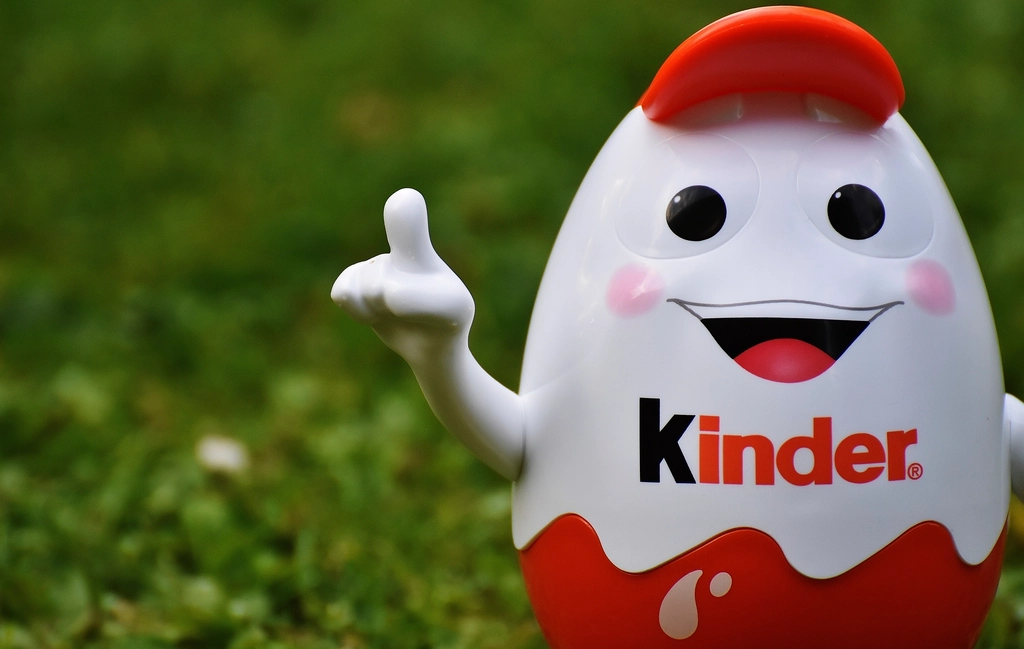
Kinder Surprise is a chocolate egg that contains a small toy inside. In the United States, food products are not allowed to contain non-edible items because they can pose a choking hazard. As a result, the product is banned there.
Why Food Bans Differ Around the World

The rules surrounding food often depend on local laws, cultural values, and health regulations. What one country considers normal cuisine may be viewed as dangerous, unethical, or unsustainable elsewhere. These differences highlight how food traditions and regulations can vary widely across the world.
Sources: Chowhound
Also read: New study examines how frequently people fart during the day
This article is made and published by Mie Hermansen, who may have used AI in the preparation.