
Have you been told that your cholesterol is a bit too high? You do not need to completely overhaul your diet.
Small changes in your food choices and habits can make a significant difference to your heart and blood vessels.
Why high cholesterol is a problem
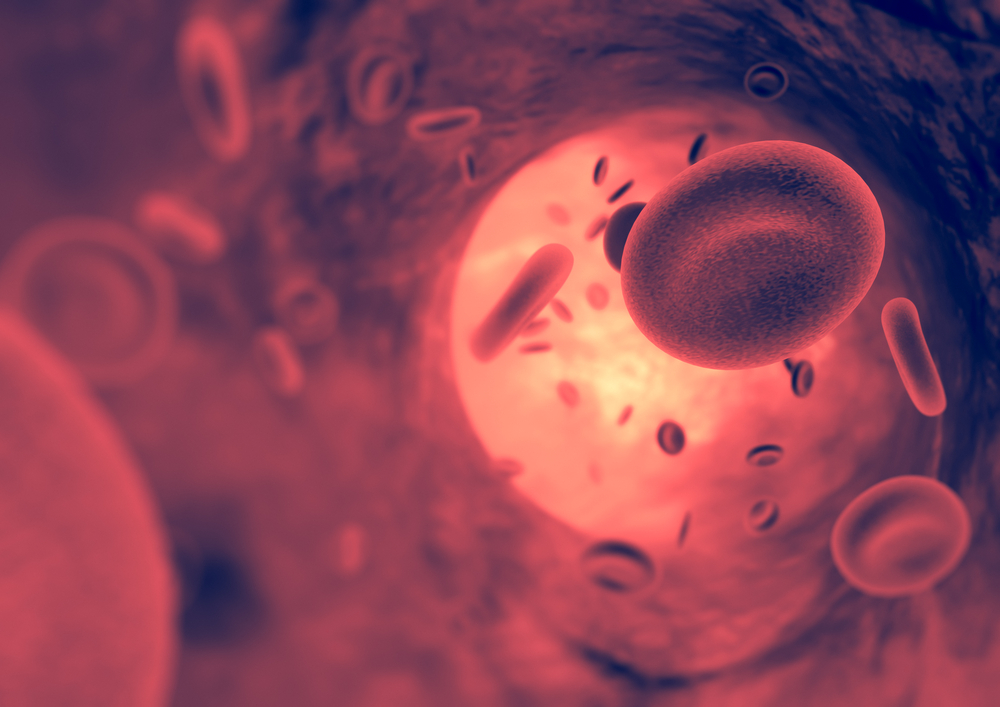
When there is too much LDL cholesterol in the blood, it can accumulate on the inside of the blood vessels.
This causes them to narrow, increasing the strain on the heart and potentially leading to serious conditions such as blood clots or stroke.
Also read: Research: Baby teeth can reveal stress during pregnancy
High cholesterol is rarely noticeable
Most people experience no clear symptoms, even though deposits may already be forming in the blood vessels.
You can therefore feel healthy without realizing that your cholesterol level is elevated.
Signs to be aware of

Yellowish fat deposits around the eyes, pain in the legs when walking, shortness of breath, and a grey ring around the cornea may be signs that something is not as it should be.
A blood test is essential
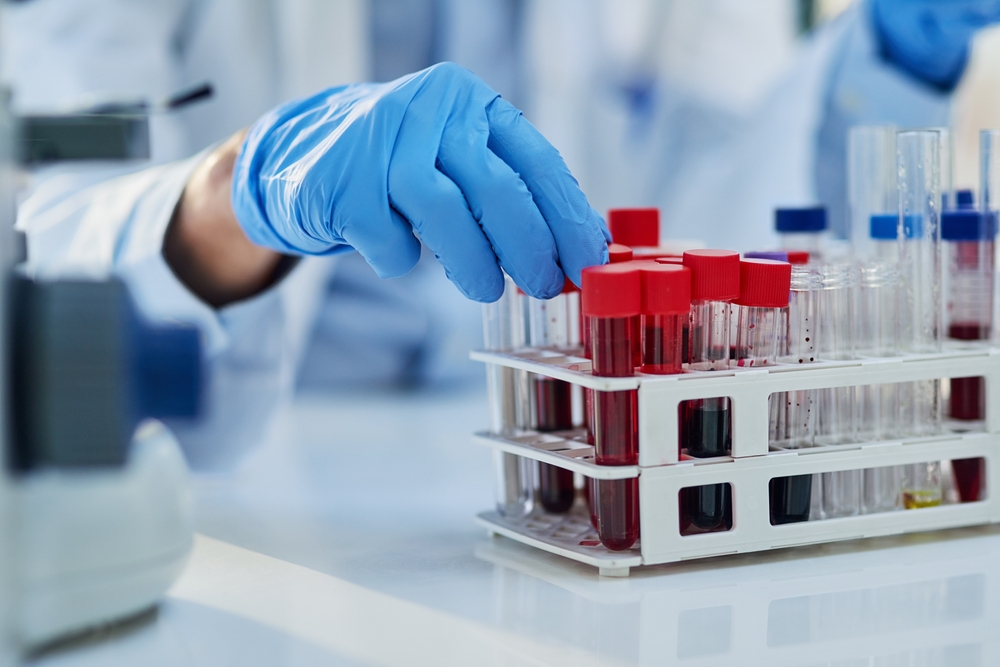
The only reliable way to know your cholesterol level is through a blood test at your doctor. A simple check can provide important insight into your health.
Also read: How a diet without fruits and vegetables affects the body
Choose the right fats
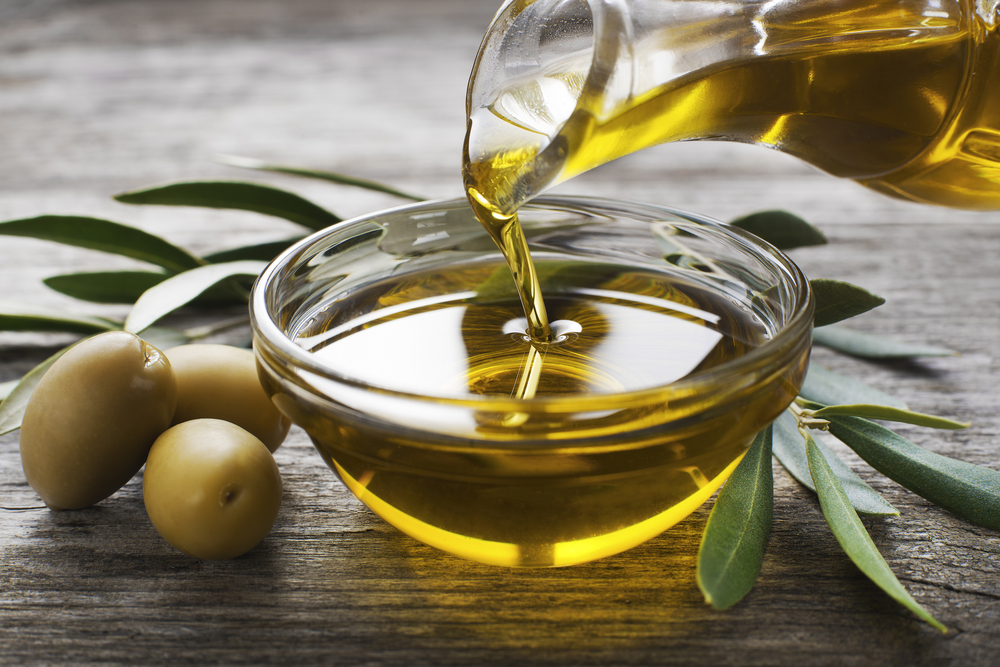
Replace saturated fats with unsaturated fats from sources such as olive oil, avocado, and nuts. This helps improve cholesterol balance in the body.
Eat more fibre
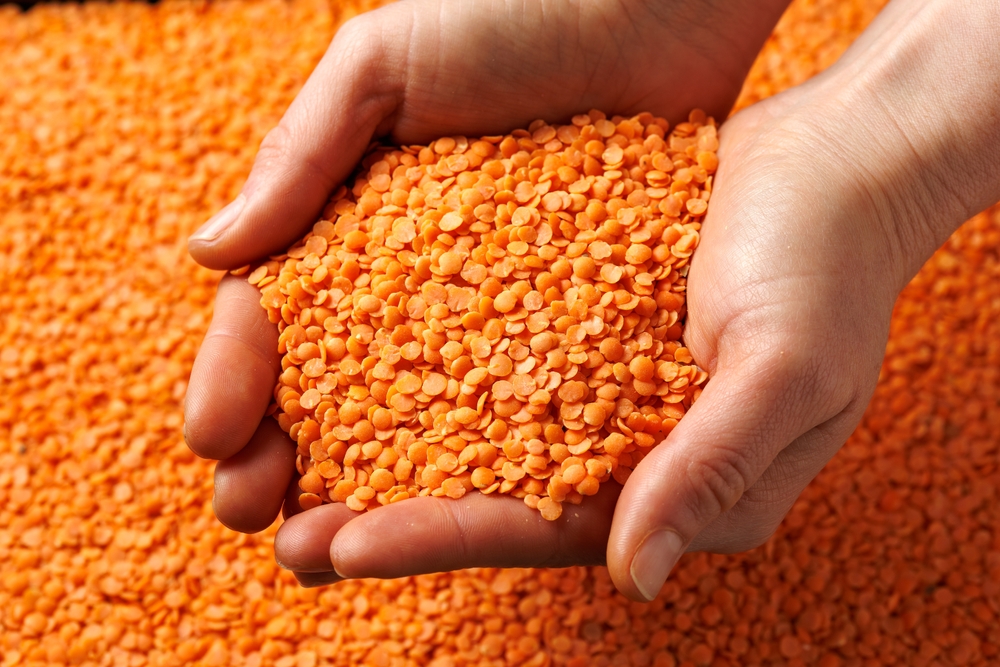
Soluble fibre from foods such as oats, legumes, and fruit can bind cholesterol and help the body eliminate it.
Get more omega-3 fatty acids
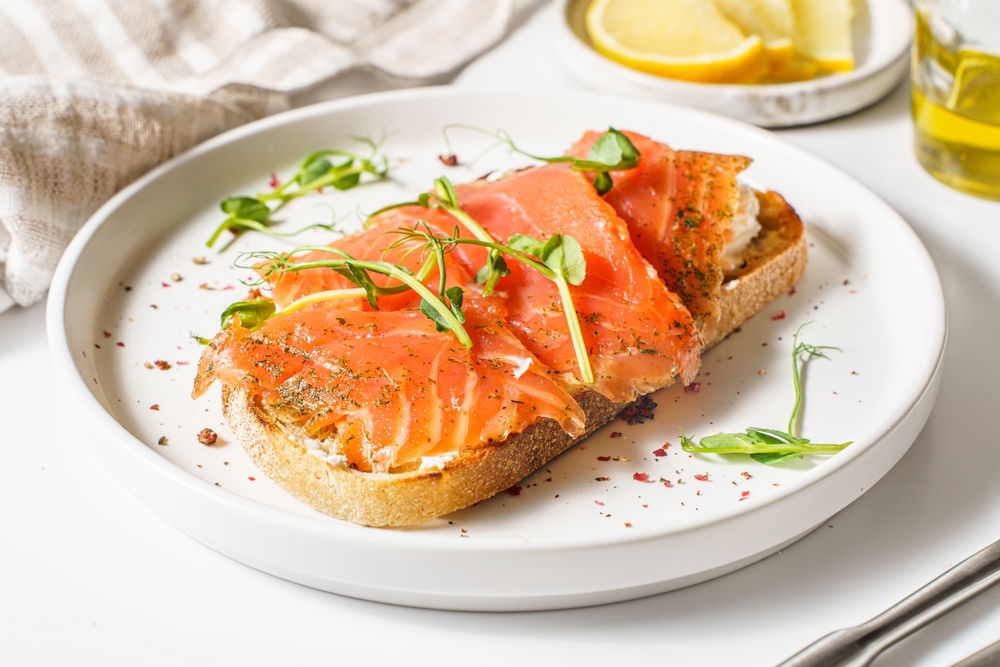
Fatty fish such as salmon, mackerel, and sardines contribute to a healthier heart and can positively affect cholesterol levels.
Avoid trans fats
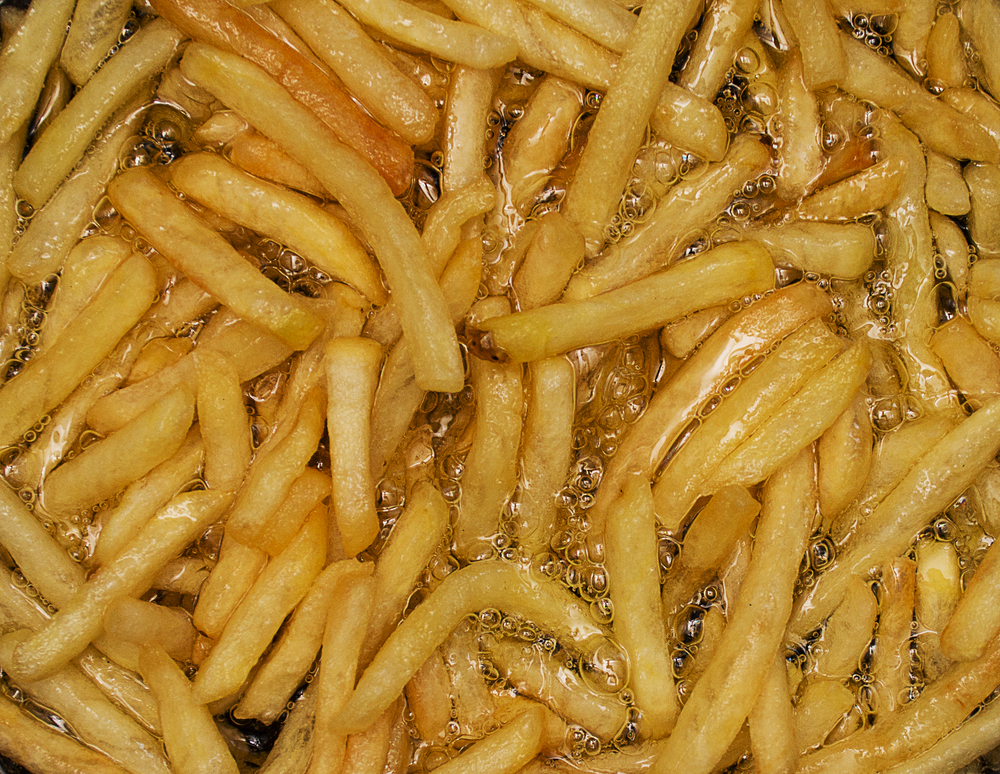
Processed foods, baked goods, and fried foods may contain trans fats, which increase bad cholesterol and lower good cholesterol.
Also read: Simple exercise routine linked to improved brain function
Stay physically active

Physical activity, especially cardio exercise, can increase good HDL cholesterol and strengthen the blood vessels. Around 150 minutes of exercise per week is sufficient.
Reduce stress and maintain a healthy weight
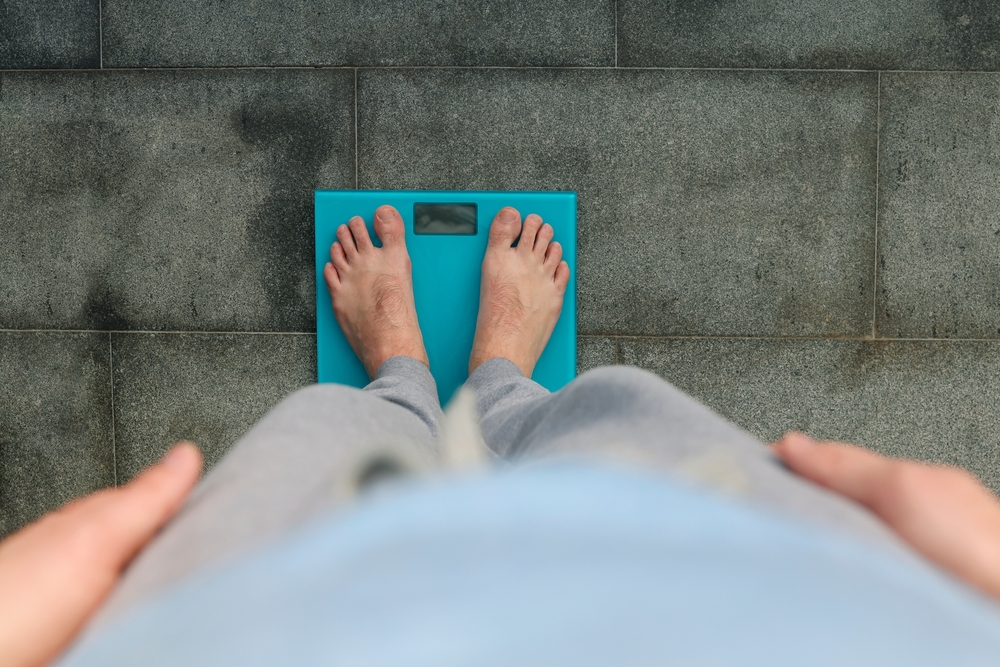
Stress and excess weight can negatively affect cholesterol levels. Relaxation and maintaining a healthy body weight are therefore important factors.
Oats
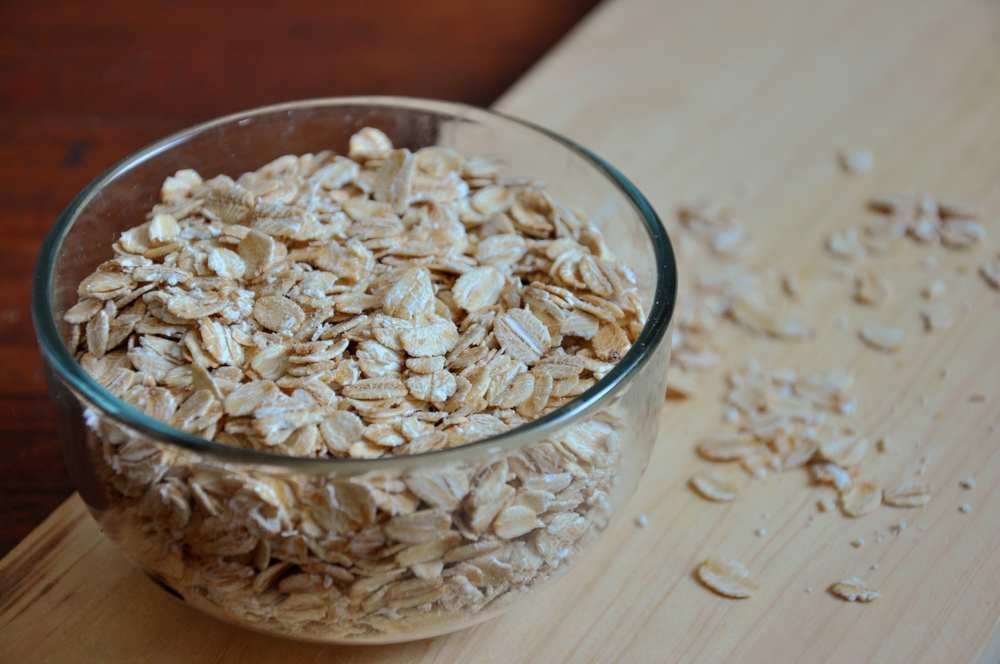
Oats contain beta-glucan, which forms a gel during digestion and helps remove cholesterol from the body before it is absorbed into the bloodstream.
Nuts in moderation
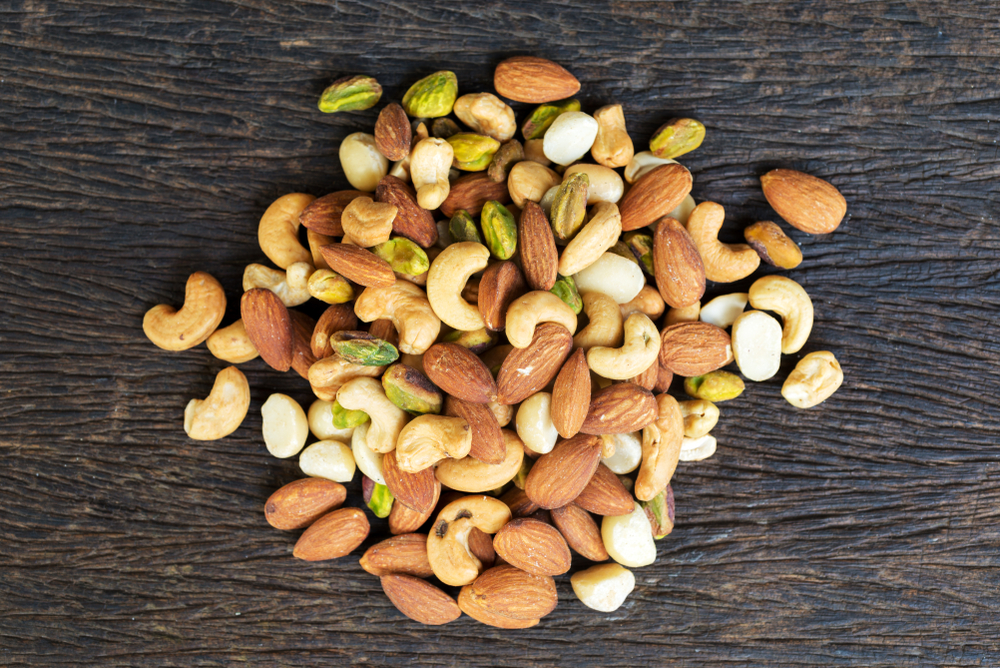
A small handful of nuts daily provides healthy fats that help protect the blood vessels.
Also read: How aluminum foil can help detect moisture in walls
Legumes provide satiety
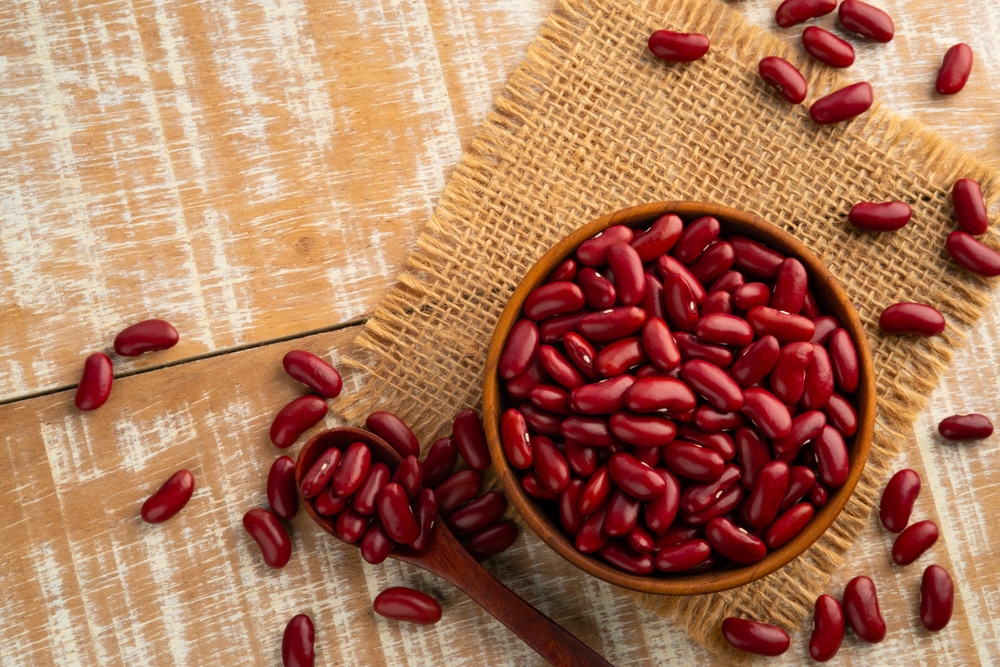
Lentils, chickpeas, and beans are rich in fibre and help keep both cholesterol and blood sugar more stable, while also providing a lasting feeling of fullness.
Avocado supports balance
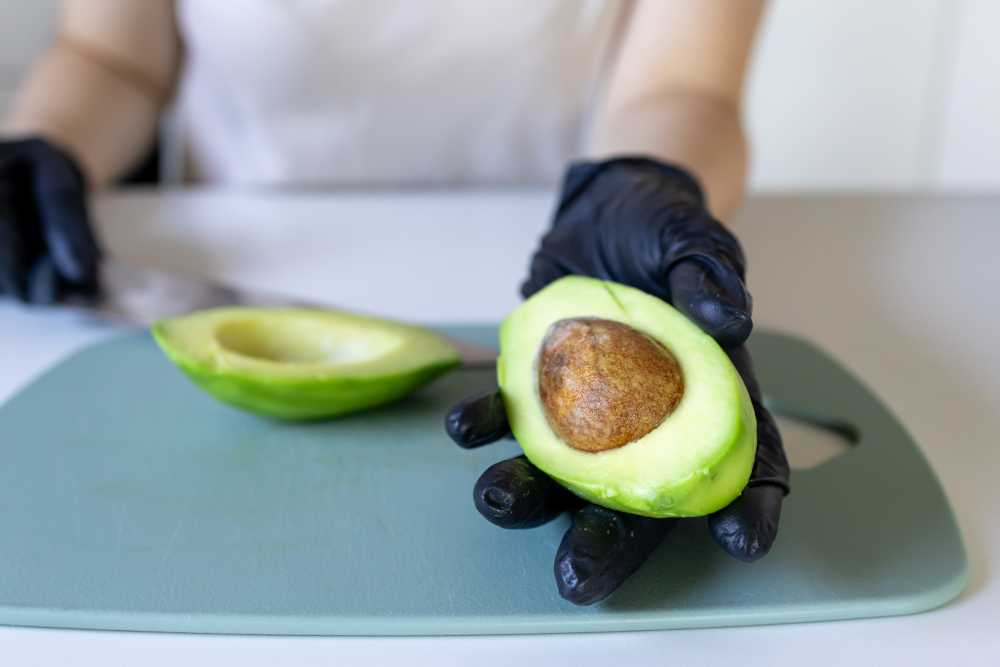
Avocado contains healthy fats that can lower bad cholesterol while increasing good cholesterol.
Fatty fish support the heart
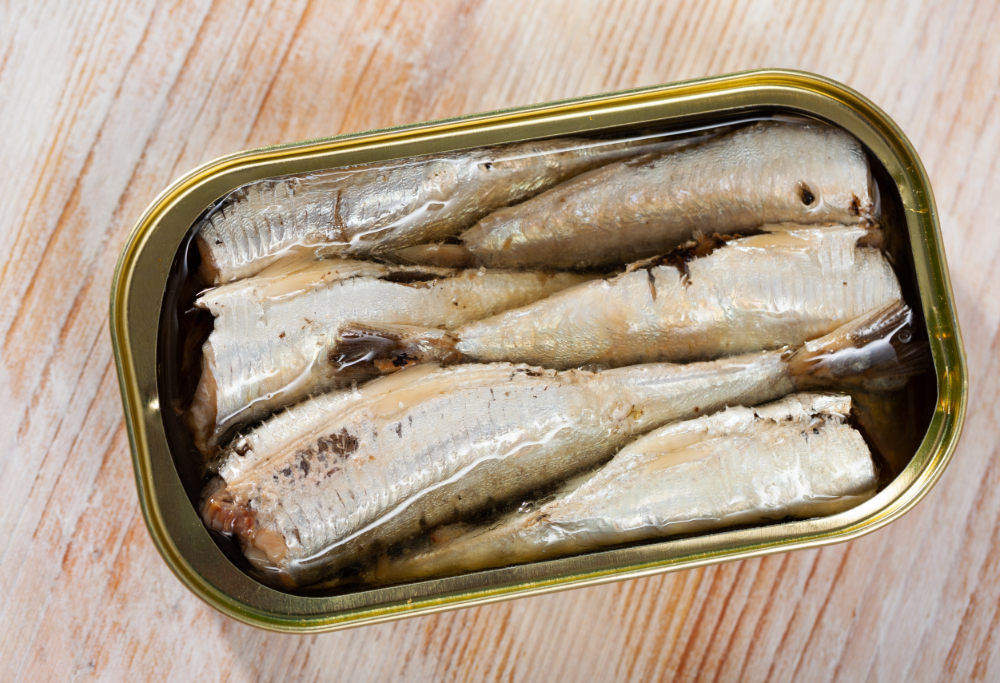
Fish such as sardines and mackerel provide omega-3 fatty acids, which can help regulate blood pressure and support heart function.
Cut down on unhealthy foods
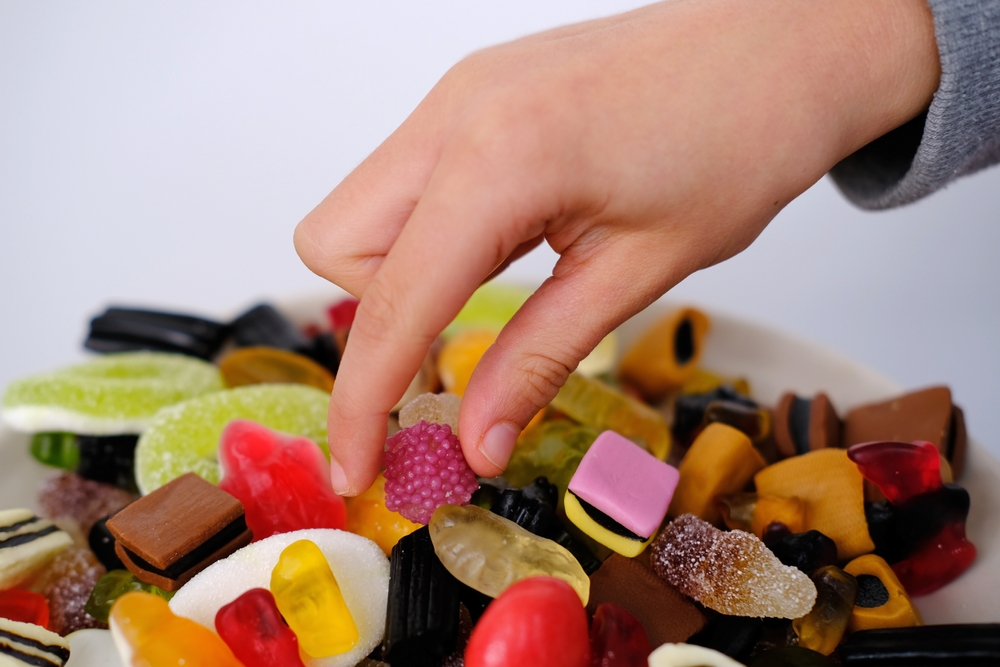
Industrially processed products, hidden sources of sugar, and foods containing trans fats should be limited, as they can negatively affect cholesterol levels.
Also read: How eating oatmeal every day affects your cholesterol
Sources: iDNES.
This article is made and published by Ida-Marie Palm Varbæk, who may have used AI in the preparation.