
Fruit is an important part of a healthy diet, but many people are unsure how much they should actually eat.
Here are the key points about fruit, health, and common myths, based on the British Heart Foundation.
Fruit is part of a balanced diet

According to dietary guidelines, just over a third of your daily food intake should consist of fruit and vegetables.
It is possible to have too much of anything

Even healthy foods like fruit can be eaten in excessive amounts, but this is rarely a problem in practice.
Also read: How creatine affects the body and brain
Fruit contains many nutrients
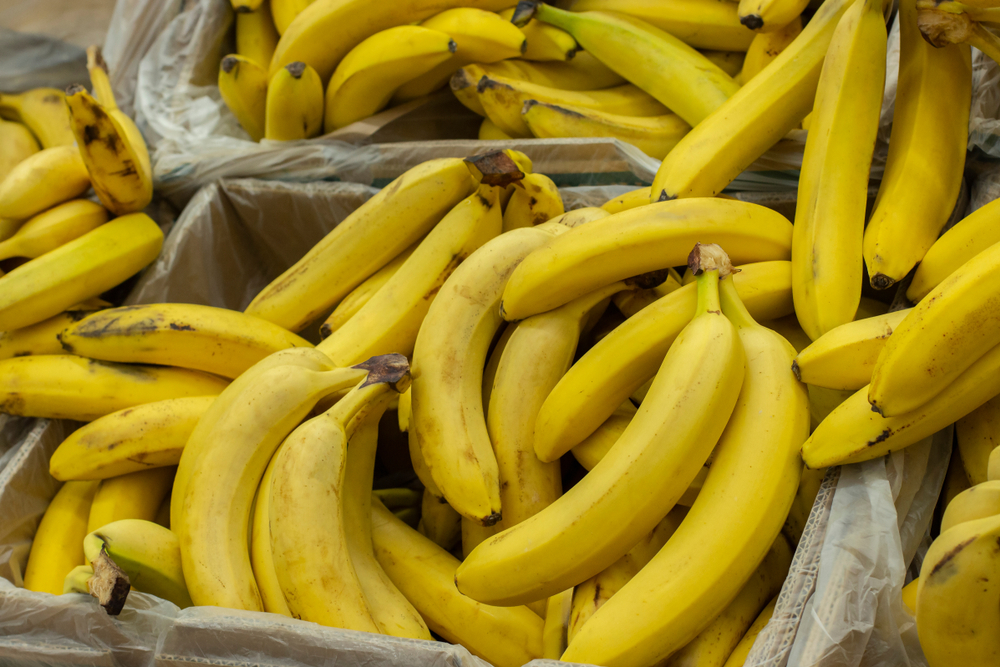
Whole fruits are rich in fiber, water, vitamins, minerals, and antioxidants that support overall health.
Fruit helps you feel full

The fiber and water content in fruit mean it is digested more slowly and provides a longer-lasting feeling of fullness.
The sugar in fruit is natural

Fruit naturally contains sugar, which is bound within the structure of the fruit and is not the same as added sugar.
Fruit can help with weight control

Fruit is low in calories and can therefore be a good part of a diet if you want to maintain your weight.
Also read: Do you walk 20 minutes a day? Here’s what it can do for your body
Sweets and cakes contain free sugars

Unlike fruit, sugary treats contain added sugars and often fat, which can contribute to weight gain.
Fruit can be a healthier alternative

A banana contains less sugar and fewer calories than a chocolate bar and is therefore a better choice.
Juice and smoothies can be problematic

When fruit is pressed into juice, its structure is broken down, releasing sugar and removing fiber.
Juice should be limited

It is recommended to limit fruit juice intake to a maximum of 150 ml per day.
Also read: How daily energy drink consumption affects your body
Liquid fruit makes it easier to consume too much sugar

It is easier to drink several fruits in juice form than to eat them whole, which increases sugar intake.
Fruit does not cause diabetes

Natural sugar in whole fruit does not increase the risk of type 2 diabetes.
Fruit may protect against disease

A high intake of fruit and vegetables is associated with a lower risk of heart disease and better long-term health.
Free sugars increase the risk of diabetes

Foods with added sugar can contribute to weight gain, which is a risk factor for type 2 diabetes.
Also read: Forget expensive creams: Black ginseng may be the key to younger skin
Sugary drinks increase the risk

Soft drinks and other sugary beverages are also linked to an increased risk of type 2 diabetes.
More research is still needed

It is not yet fully understood why sugary drinks increase the risk, as it may not be solely related to weight.
How much fruit should you eat daily?

It is recommended to eat at least five portions of fruit and vegetables per day, without a fixed ratio between the two, but with a focus on variety.
Sources: British Heart Foundation.
Also read: How cashews can affect your body if you eat them regularly
This article is made and published by Ida-Marie Palm Varbæk, who may have used AI in the preparation.